UK Transport Secretary Heidi Alexander publicly condemned the quality of East Midlands Railway (EMR) services in October 2026, describing them as “unacceptable” amid continuing problems with the new Aurora (Class 810) train fleet. The fleet, manufactured by Hitachi Rail and introduced in December 2025, experienced reliability and maintenance failures that caused delays, cancellations and overcrowding across key routes servicing the East Midlands region and London St Pancras.
Service Reductions, Strike Actions, and Partial Restorations
In July 2026, EMR temporarily reduced its Intercity timetable to 87% due to ongoing technical issues with the new trains and existing Class 222 units. This reduction led to cancelled journeys and fewer
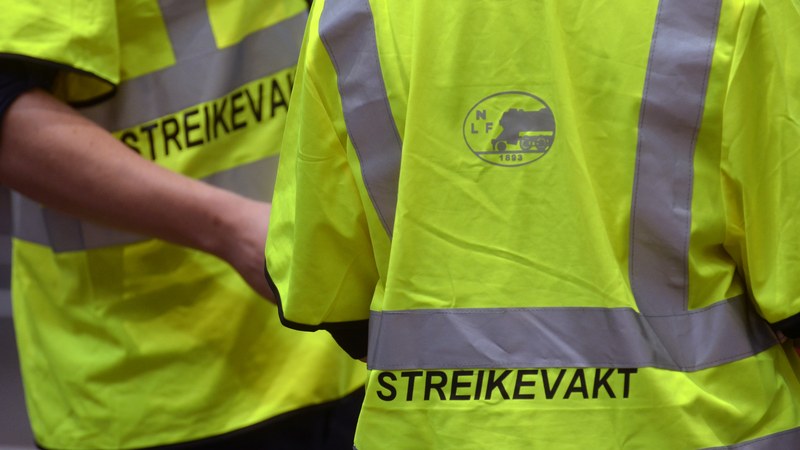
available carriages, resulting in overcrowding on services. The RMT union, representing EMR staff, responded by announcing strike actions for late July and planned 24-hour walkouts on September 16 and 17, which were later called off following discussions with EMR management.
Despite “action short of strike” continuing from RMT members, EMR increased service levels to 92% by September 1 and announced a further rise to 96% effective October 19. These adjustments followed the resignation of EMR’s managing director due to the operational disruptions.
Government Renationalisation Plans and Financial Goals
The UK government aims to complete the renationalisation of EMR by March 2027, with the earliest contractual core
term expiry allowing transfer from October 18, 2026, onward. Renationalisation is part of a broader strategy to consolidate rail passenger services under the public body Great British Railways, whose headquarters was designated in Derby.
Government projections anticipate savings of approximately £150 million annually by ending payments to private train operators. Other rail franchises, including Greater Anglia, South Western Railway, and Avanti West Coast, are already in public ownership or scheduled for nationalisation, with the latter set for March 2027 as well.
Official Statements on Service Performance and Renationalisation
Transport Secretary Heidi Alexander apologized for EMR passengers suffering substandard service during summer 2026, stating, “I recognise people have
received an unacceptable service this summer and I apologise for that. It’s not good enough.” She emphasized that service improvements are required before the transfer to public ownership.
EMR acknowledged the disruption caused by delayed train deliveries and ongoing fleet maintenance problems, expressing commitment to restoring full service levels. The Department for Transport has not yet formally notified EMR of a precise date for the renationalisation transfer.
Renationalisation Not an Immediate Remedy
Alexander underscored that renationalisation will not instantly solve lingering railway issues, pointing to persistent staff shortages and infrastructure needs. She said, “I’ve always been clear that the renationalisation of the railways is not
going to be a silver bullet that transforms things overnight.” The Transport Secretary highlighted the necessity for sustained investment in infrastructure and rolling stock to ensure long-term service reliability.