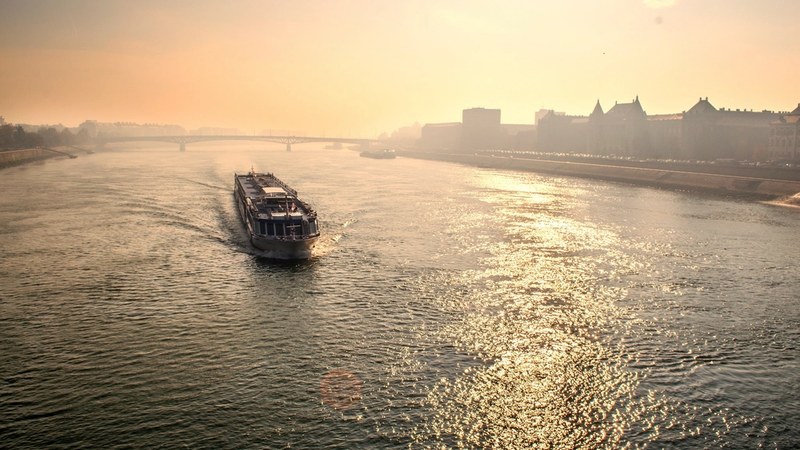
Throughout 2026, European river cruises faced significant disruptions due to historically low water levels in major waterways. In August 2026, water levels on the Danube near Budapest neared record lows not seen since 1996, with Romania experiencing its lowest levels for the same period. The Rhine River also registered low levels affecting navigation and docking, particularly on the Rhine Gorge section.
Cancellations and Route Changes on Danube and Rhine Cruises
Riviera Travel publicly confirmed itinerary disruptions including nine Rhine departures with revised routes and three Danube departures cancelled in October 2026. The decision to cancel certain Danube sailings came after Riviera Travel concluded they could not deliver guest experiences
up to their standards. Low water levels on the Rhine Gorge forced rerouting from usual destinations like Rüdesheim, Speyer, Strasbourg, and Breisach to alternate Moselle River ports such as Cochem, Bernkastel, Trier, and Koblenz.
Tui River Cruises passengers experienced instances where river sailing on the Danube was replaced by coach travel and hotel stays due to the inability to sail. Viking modified its Rhine Getaway itinerary by implementing ship swaps and included a 24-hour stay in Koblenz followed by a bus transfer to Strasbourg to board a different ship, accommodating low water conditions.
Operational Measures: Ship Swaps and Alternate Embarkation Ports
River cruise operators are deploying several strategies
to manage the challenges posed by low water levels. Viking uses sister ships positioned opposite each other on affected rivers to facilitate ship swaps, allowing guests to remain in the same stateroom while transferring to an identical vessel. Riviera Travel and other lines start some cruises from nearby ports where water levels are higher or arrange hotel stays before transferring guests by coach to ships.
These operational adjustments aim to preserve itineraries and reduce interruptions. These include locations such as Budapest, Koblenz, and Strasbourg, where guests are sometimes transported by coach if docking is not possible. Additional support onboard and
from company headquarters is deployed to keep passengers informed and maintain service quality during disruptions.
Passenger Impact and Insurance Considerations
Passengers affected by route changes and cancellations sometimes begin their cruises with hotel stays and substitute transportation. Riviera Travel provides a Holiday Guarantee allowing guests to relocate or cancel holidays with refunds if significant itinerary changes occur. Passengers on revised itineraries receive future travel vouchers acknowledging the disruption.
Travel insurance that includes coverage for insufficient water levels is recommended for river cruise passengers. Jacqueline Mondelli, chief marketing officer at Squaremouth, noted cruise insurance plans provide better protection against factors such as low water levels compared
to standard travel insurance. Such policies may also cover missed prepaid activities or delays affecting onward travel.
Industry Responses and Future Preparedness
Cruise line representatives acknowledge 2026 has been an unprecedented year for low water levels on European rivers. James Golding, Riviera Travel’s chief guest experience officer, said conditions have forced cancellations but also promoted improved planning and guest support measures. Chris Pitchford, founder of World of Cruising, described Budapest as a significant challenge due to docking difficulties, with cruise lines minimizing cancellations through route and ship alterations.
Uniworld emphasized a long history operating on European waterways and ongoing coordination with local authorities to adapt
itineraries as conditions change. Viking explained its ship swap approach helps maintain itineraries and reduce guest disruptions.
AmaWaterways highlights increasing occurrences of both low and high water events, emphasizing the need for proactive planning and communication. Cruise deployment is planned up to two years in advance, enabling repositioning of vessels to mitigate disruption. Costs for alternative transport and accommodations due to water conditions are absorbed by cruise operators.
Broader Context: Cruise Demand and Unaffected Rivers
The Cruise Lines International Association (CLIA) notes growing demand for river cruises beyond Europe, targeting destinations in Asia and South America. Some rivers, such as the Seine in France, the Douro in
Portugal, as well as the Mekong and Nile, have operated on schedule in 2026 without low water disruptions.
This contrasts with European rivers where drought and heatwaves during summer 2026 caused prolonged low water conditions, impacting navigation and port access on key routes.