CrossCountry will expand its fleet by adding eight Voyager trains starting in early 2027 to address crowding and improve service reliability on the Exeter rail route.
Capacity Boost on Key Routes
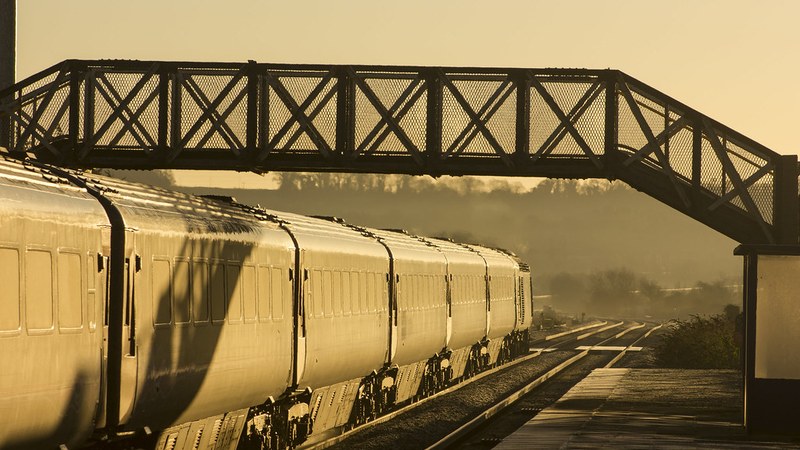
The additional Voyager trains will increase seat capacity by 60,000 seats weekly across CrossCountry’s network. Several of these trains will operate on the Edinburgh to Plymouth route, which passes through Exeter. The new trains follow the introduction of 12 new trains added to the fleet between 2024 and 2025. Voyager trains are high-speed sets with four or five cars, engineered for long-distance trips.
Phased Introduction of New Trains
The first of the eight additional Voyager trains is scheduled to
enter service in early 2027. The remaining seven will be gradually introduced by May 2028. This phased approach will incrementally enhance capacity and reliability over the next 18 months.
Official Statements on Investment
Shiona Rolfe, CrossCountry’s managing director, highlighted the importance of the investment, stating, “Our customers want a railway they can rely on, and these additional Voyager trains are an important step towards delivering that.” She added that the new trains, alongside ongoing refurbishment efforts, demonstrate the company’s commitment to building a stronger CrossCountry.
Rail Minister Lord Hendy emphasized the benefits for passengers, saying, “Once these extra trains are in service, it means
more seats, less crowding, and greater resilience for services between major towns.” He also referenced the role of Great British Railways’ public ownership in integrating track and train to deliver coordinated, reliable services, supporting broader economic growth.
A CrossCountry spokesperson noted, “Once introduced, the additional Voyager trains will greatly benefit CrossCountry customers travelling to and from Exeter – there will be more seats on more services through the city.”
Great British Railways and Future Rail Services
The move to increase Voyager trains coincides with the transition of passenger services into public ownership through Great British Railways. This change aims to unify infrastructure and train operations to enhance
service reliability. Officials see this integrated approach as vital for supporting job creation and community development along major rail corridors.