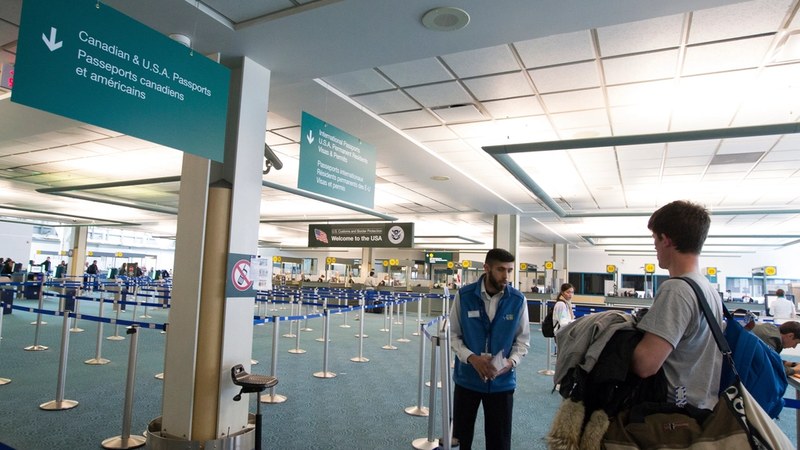
Between May 1 and August 31, 2026, NAV CANADA reported an approximately 85% decline in flight delays attributable to its operations across Canada’s four busiest airports: Toronto Pearson International Airport, Montréal-Trudeau International Airport, Calgary International Airport, and Vancouver International Airport.
Significant Declines in Delays Amid Increased Traffic
The percentage of scheduled flights affected by traffic management initiatives involving NAV CANADA staffing or equipment decreased from 1.54% in 2025 to 0.24% in 2026 across these airports. Vancouver International Airport recorded the largest absolute reduction, from 4.42% impacted flights in the previous year to 0.64% this year. Calgary International Airport had the greatest proportional improvement, with impacts dropping from
1.16% to 0.05%. Overall, traffic management initiatives linked to NAV CANADA staffing were down 65% compared to 2025.
Flight volumes grew slightly over this period, with the four airports handling 394,919 flights in 2026, up 0.9% from 391,245 flights in 2025 during the same timeframe.
Operational Readiness Plan Drives Performance Gains
NAV CANADA attributed the reduction in delays to its comprehensive summer operational readiness plan implemented in 2026. Measures included increasing staffing levels, targeted scheduling, incentive programs, and temporarily returning personnel from non-operational roles to frontline air traffic control positions. The company also rehired over 50 retired controllers. Technology upgrades, such as the deployment of Arrival
Manager systems at all Area Control Centres, contributed to improved traffic management.
Narrowing Staffing Gap and Record Training Capacity
By August 31, 2026, NAV CANADA had reduced its air traffic controller staffing shortfall to approximately 170 controllers below target, down from about 200 in spring 2026. Since 2023, more than 600 air traffic services professionals have qualified. NAV CANADA’s training schools have operated at record capacity to support continued controller qualification and staffing rebuild.
Leadership Statements on Summer Operations and Future Plans
Marie-Pier Berman, Vice President and Chief of Operations at NAV CANADA, praised operational teams for sustaining the marked delay reductions throughout the demanding summer period. She stated, “Our teams at Canada’s major airports
delivered approximately 85 per cent fewer NAV CANADA-attributable delays compared to the same period last year.” Berman emphasized that readiness is defined by having the people, processes, and technology to manage disruptions safely and transparently rather than promising zero disruptions. She added, “A season like this one is not a finish line. The staffing rebuild continues, the fall and winter bring their own demands. This summer, our people showed what that looks like.”