A severe nor’easter battered the US East Coast on September 28, 2026, bringing heavy winds, heavy rainfall, flooding, and dangerous sea conditions from North Carolina through New England. According to FlightAware, the storm led to nearly 430 flight cancellations and more than 3,000 flight delays nationwide on that day.
State of Emergency Declared as Fatality and Disruptions Hit New York City
New York Governor Kathy Hochul declared a state of emergency covering several counties including Bronx, Brooklyn, Nassau, Manhattan, Queens, Staten Island, Suffolk, and Westchester in response to the storm. In Brooklyn, a 56-year-old New York City Housing Authority worker died after a tree fell on him around 5:40 pm. Local authorities
have not determined the cause of the tree’s fall. In Queens, fallen trees and downed power lines forced road closures and precautionary evacuations conducted by the New York City Fire Department, though no injuries were reported.
Coastal Flooding Threatens New Jersey, Massachusetts, Boston, and New England
Eight New Jersey counties were under a state of emergency ahead of the storm, as coastal flooding peaked due to a combination of storm surge and high tides. Severe flooding was forecasted for the Jersey Shore and northern Outer Banks of North Carolina, while moderate flooding was expected along parts of the Massachusetts coast. Boston and surrounding New England areas encountered strong winds, stormy
seas, and coastal flooding, with persistent warnings about hazardous rip currents and waves continuing after the storm subsided.
Flight and Road Travel Severely Impacted
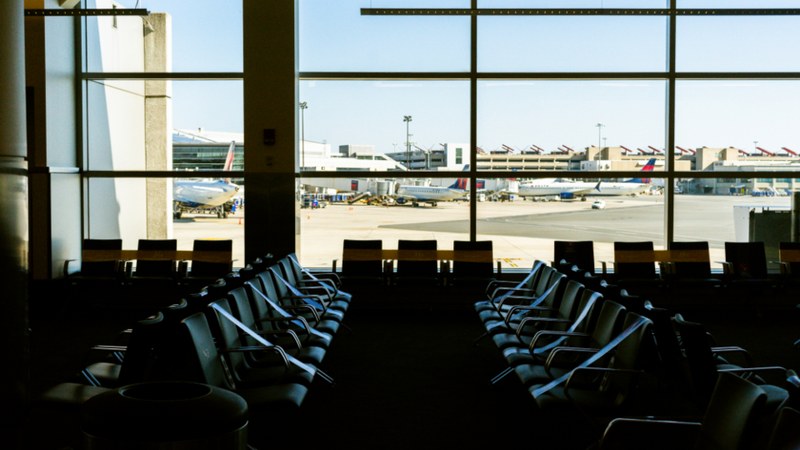
FlightAware reported that nearly 430 flights were canceled and over 3,000 delayed as the storm disrupted operations across the US. The Federal Aviation Administration advised travelers to confirm flight status directly with airlines prior to heading to airports due to low visibility, heavy rainfall, high winds, and runway conditions affecting flights. Disruptions at major airports cascaded to other locations, compounding delays. Road travel was also hindered by blocked roadways from fallen trees, downed power lines, and flooding.
Storm Causes and Continuing Risks
The nor’easter combined heavy wind,
rainfall, and tidal surges, resulting in flooding and hazardous sea conditions along the coast. Saturated ground and strong winds caused trees and branches to fall, which in turn damaged power infrastructure and obstructed roads. Despite the reduction in wind strength, flooding risks remained elevated as tidal cycles caused water levels to peak over successive days into early next week. Officials warned that offshore waves and dangerous rip currents would persist even after calmer weather returned.
Official Responses and Safety Advisories
Governor Kathy Hochul issued state of emergency declarations for affected New York counties to mobilize emergency response efforts. The FAA urged travelers to check flight
updates with airlines before traveling to airports due to ongoing weather-related disruptions. Police reported that they were investigating the exact cause of the fatal tree incident in Brooklyn. Authorities emphasized the importance of avoiding floodwaters and hazardous coastal areas as the region managed the evolving threat from the storm and associated tidal effects.