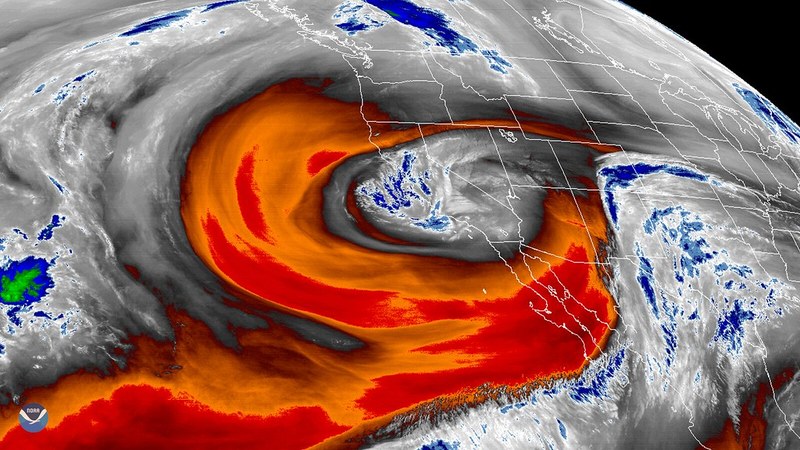
A powerful nor’easter swept the US East Coast on September 26, 2026, triggering widespread flooding and electricity blackouts from Washington, D.C. to Maine. More than 68,000 customers remained without power by Saturday evening across New Jersey, Connecticut, New York, and Pennsylvania, down from earlier outages surpassing 119,000. New York had the highest outage count with over 31,000 customers affected, while Connecticut and New Jersey each saw more than 12,000 outages. PSEG Long Island reported severe weather impacted more than 13,000 customers in Long Island and the Rockaways. Central Hudson Gas & Electric worked to restore power to over 19,000 homes
and businesses, focusing on Ulster County in New York.
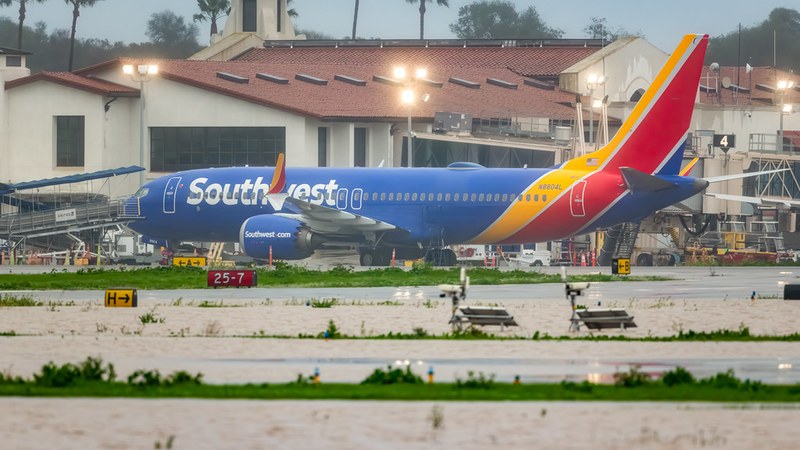
FlightAware tracked 439 flight cancellations and 2,459 delays at US airports by Saturday evening due to storm disruptions. The nor’easter forced the postponement of AC/DC’s scheduled concert at MetLife Stadium in East Rutherford, New Jersey, from September 25 to October 2. Flooding affected New Jersey extensively, with Bergen County to Cape May County experiencing significant runoff. Some communities along the Jersey Shore issued voluntary evacuation notices amid rising waters.
Emergency Declarations and Response
Governors of New York and New Jersey declared states of emergency for areas expected to face the worst of the storm, including
New York City. Connecticut activated its Emergency Operations Center to manage response efforts. Utility crews in New York were engaged in ongoing repair work, especially in Ulster County, with restoration anticipated to extend into Sunday. Authorities continued monitoring flood-prone and outage-affected regions while coordinating emergency measures.
Weather Forecast and Warnings
The US National Weather Service issued warnings that the nor’easter would persist through Monday, September 28, 2026. Forecasts projected continued coastal flooding, hazardous rip currents, strong wind gusts, and significant rainfall for the Mid-Atlantic and New England. These conditions contributed to downed trees and power lines, exacerbating outages and travel disruptions along the Northeast
corridor.
Recovery efforts focused on power restoration and mitigating flood impacts. Passenger travel remained affected by cancellations and delays, while voluntary evacuations were in place for vulnerable coastal areas. Utilities, emergency centers, and state officials maintained coordination to address storm-related challenges across the affected states.