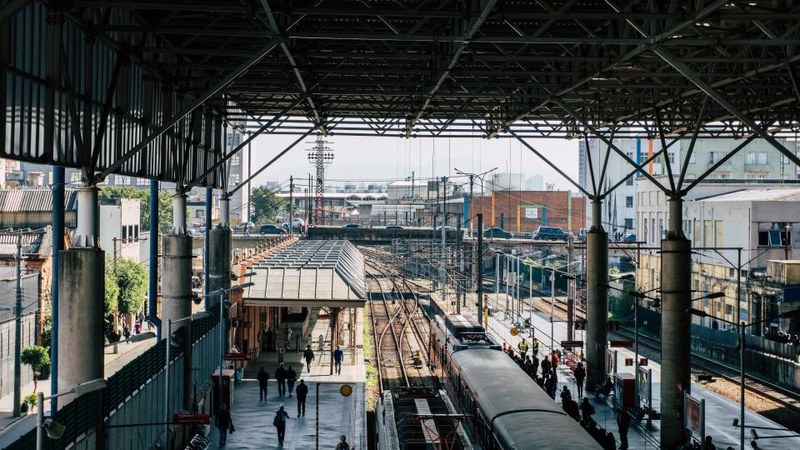
Cuba experienced a 62% decrease in international tourism from January through July 2026, receiving 419,000 visitors compared to 1.1 million in the same period of 2025, according to figures from the National Office of Statistics and Information (ONEI). The pronounced drop has led to widespread closures of hotels, hostels, private accommodations, beaches, shops, and tourist sites across the island.
U.S. Sanctions Impact Energy and Financial Services
In January 2026, the United States imposed a stringent energy embargo on Cuba, escalating the existing economic crisis intensified by previous sanctions and domestic financial reform failures that triggered inflation. Between May and July 2026, the U.S. State Department introduced targeted
sanctions against Cuba’s tourism industry, including freezing accounts and prohibiting operations within the U.S. financial system.
Hotels, Payment Services, and Airlines Withdraw
Major hotel chains such as Meliá, Iberostar, and Royalton terminated their contracts in Cuba following the sanctions. Payment services provided by Visa and Mastercard have also been withdrawn, complicating financial transactions for tourists and businesses. Additionally, leading carriers including Air France, Turkish Airlines, Iberia, and prominent Canadian airlines halted flights to Cuba after the Cuban government banned on-island aircraft refueling, further limiting inbound arrivals.
Tourism’s Past Significance and Current Regulatory Overhaul
Before the recent downturn, Cuba’s tourism industry was a critical economic driver, attracting about 4.3 million visitors in 2019 and
generating approximately $3 billion annually. In response to the crisis, the Cuban government has introduced a comprehensive regulatory overhaul aimed at modernizing the sector. The reforms focus on expanding private management, increasing foreign investment, and diversifying tourism-related businesses with the intent to create new opportunities for professionals, international partners, and travelers.