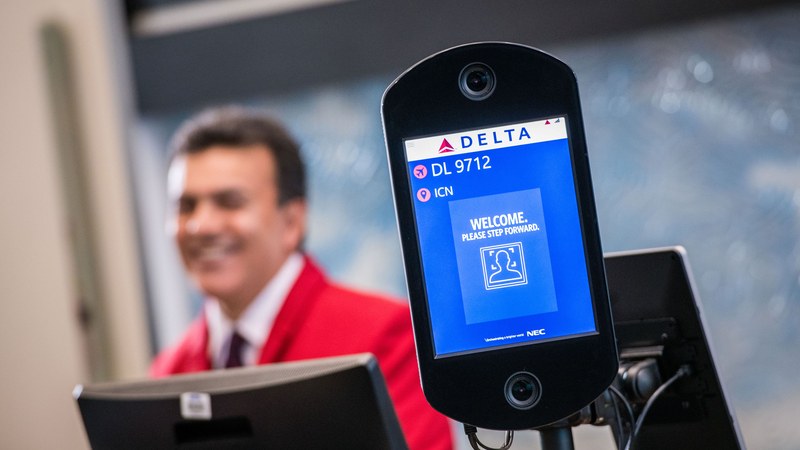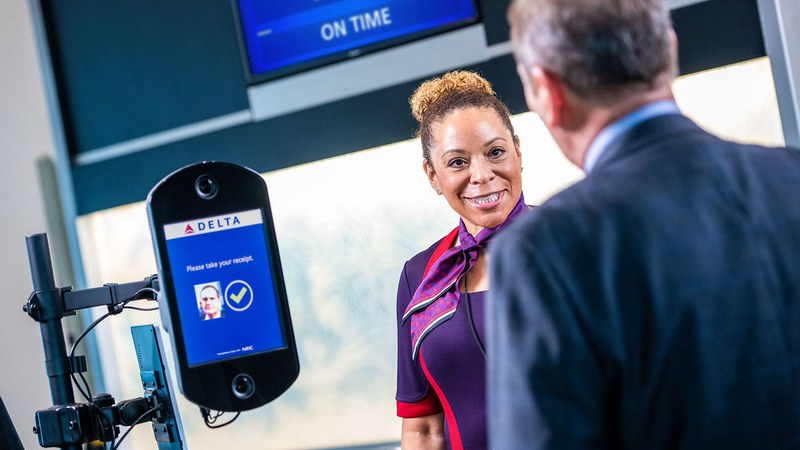
Air Canada and Toronto Pearson International Airport have launched a pilot program featuring facial recognition biometric gates to expedite boarding for domestic and US-bound travelers. The deployment includes four biometric e-gates, with one serving domestic flights and three in the transborder area connecting to the United States.
Passenger Enrollment and Biometric Verification Process
Domestic Air Canada passengers enrolled via the airline’s mobile app can use the facial-verification gate by opting in before arrival at the gate. A live facial image is captured and matched against an approved traveler record in the airline’s identity gallery, replacing the need to present a passport and boarding pass at the
gate. For US-bound passengers, images are captured during American border preclearance at Pearson, enabling three transborder gates to confirm identity without requiring separate registration.
Technology Partners and Pilot Participation
Dormakaba provides the physical biometric gates installed at Toronto Pearson. Middleware connecting the gates to identity management systems is supplied by Airsphere and SITA. Air Canada manages the domestic enrollment software and maintains the identity gallery used for facial recognition. Participation in the pilot is voluntary, and conventional document checks continue to be available to travelers. The program tracks passenger adoption, throughput, processing times, and satisfaction throughout the pilot.
Toronto Pearson’s Passenger Volume and Modernization Efforts
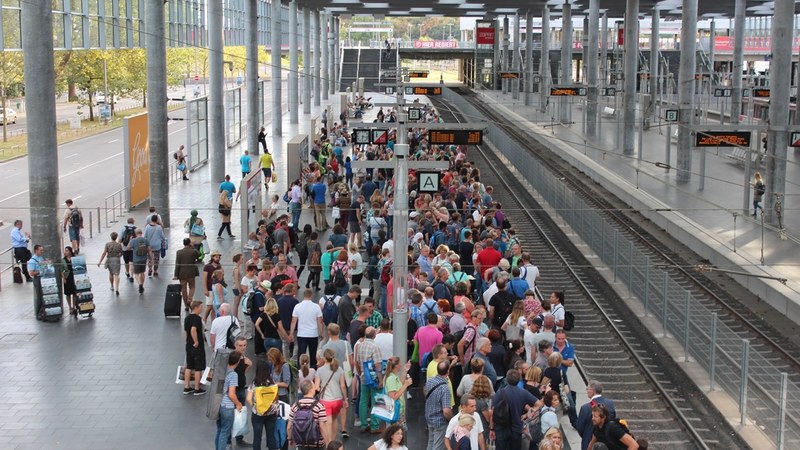
Toronto Pearson processes approximately 47 million passengers
per year and anticipates growing this number to 65 million in the early 2030s. The facial recognition pilot is part of the airport’s broader modernization initiative, which incorporates digital identity and automated processing to handle increasing passenger volumes efficiently. This pilot builds on Air Canada’s previous mobile-based traveler identity program that integrated smartphone enrollment with facial recognition boarding.