Starting September 2026, Air Canada passengers can use the airline’s mobile app to enroll in a biometric boarding pilot at Toronto Pearson International Airport featuring four facial-verification e-gates: one domestic and three transborder for US-bound flights.
Enrollment and Gate Operation
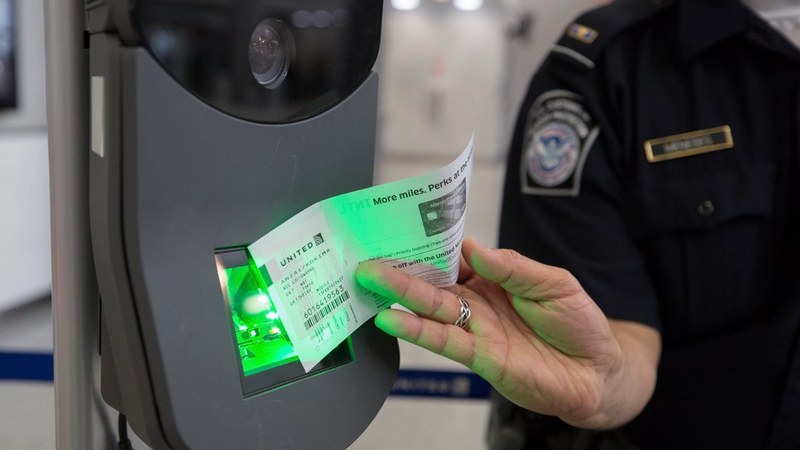
Domestic travelers must opt in through the Air Canada app before reaching the biometric gate, where a live facial image is captured and compared against the airline’s identity gallery, replacing the physical presentation of passports and boarding passes. US-bound passengers complete border formalities and image capture earlier during preclearance, enabling biometric verification at the transborder gates without prior mobile enrollment.
Providers and Pilot Framework
Dormakaba supplies the physical
biometric gates at Toronto Pearson, while Airsphere and SITA provide middleware linking the gates to identity systems. Air Canada delivers the domestic enrollment software and manages the identity gallery. Participation in the pilot is voluntary, with conventional document checks remaining available.
Airport Capacity and Modernization
Toronto Pearson handles approximately 47 million passengers annually, with projections reaching 65 million by the early 2030s. The biometric gate pilot is part of Toronto Pearson’s broader modernization program focused on digital identity and automated processing to manage growing passenger volumes.
Pilot Context and Deployment
The pilot is currently limited to boarding processes at Toronto Pearson and builds on Air Canada’s earlier mobile-based
traveler identity pilot linking smartphone enrollment with facial recognition. Additionally, Calgary Airport has implemented a separate selfie onboarding biometric boarding system.
Traveler Impact
Air Canada travelers enrolling via the mobile app can streamline boarding by using biometric gates, which replace showing physical passports and boarding passes. Participation is voluntary; travelers may still opt for conventional document checks.