A Russian drone attack struck a passenger train on September 13, 2026, near Ukraine’s border with Poland, targeting an area two kilometers from the Polish border. The attack coincided with another strike on a truck less than a kilometer from the same border crossing. A diplomatic train carrying former British Prime Minister Boris Johnson, former Swedish Prime Minister Carl Bildt, and others narrowly avoided the attack by departing the station earlier than scheduled, according to Ukraine’s railway operator Ukrzaliznytsia. Another train carrying former CIA Director David Petraeus was present at Yahodyn station when the drone struck.
Official Responses and Security Concerns
Ukrzaliznytsia confirmed real-time timetable
adjustments due to the constant threat of Russian strikes on rail routes near the border. European Union foreign policy chief Kaja Kallas described the attack as an attempt to intimidate Western countries supporting Ukraine. Polish Foreign Minister Radoslaw Sikorski called the increasing frequency of strikes near NATO’s border an escalation. Kremlin spokesperson Dmitry Peskov stated that the Russian army operates across Ukrainian territory and will continue its presence. U.S. President Donald Trump publicly urged Ukrainian President Volodymyr Zelenskyy to halt attacks on Russian diesel fuel infrastructure, a call Zelenskyy responded to by expressing readiness to cease strikes if Russia would
reciprocate.
Conflict Escalation and Border Impact
The drone strike on the passenger train is part of a broader pattern of Russian attacks aimed at disrupting Ukraine’s border crossings with Western allies, intensifying more than four years after Russia’s invasion began. The Dorohusk-Yahodyn border crossing briefly suspended operations following the strike on a truck nearby. Ukrainian train timetables are adjusted dynamically to manage security risks from ongoing threats. Meanwhile, Russian attacks on Ukraine’s civilian and energy infrastructure continue amid a largely static frontline, with both sides intensifying long-range strikes.
Political and Energy Context
The International Energy Agency reported significant reductions in diesel and gas oil exports from Gulf countries and
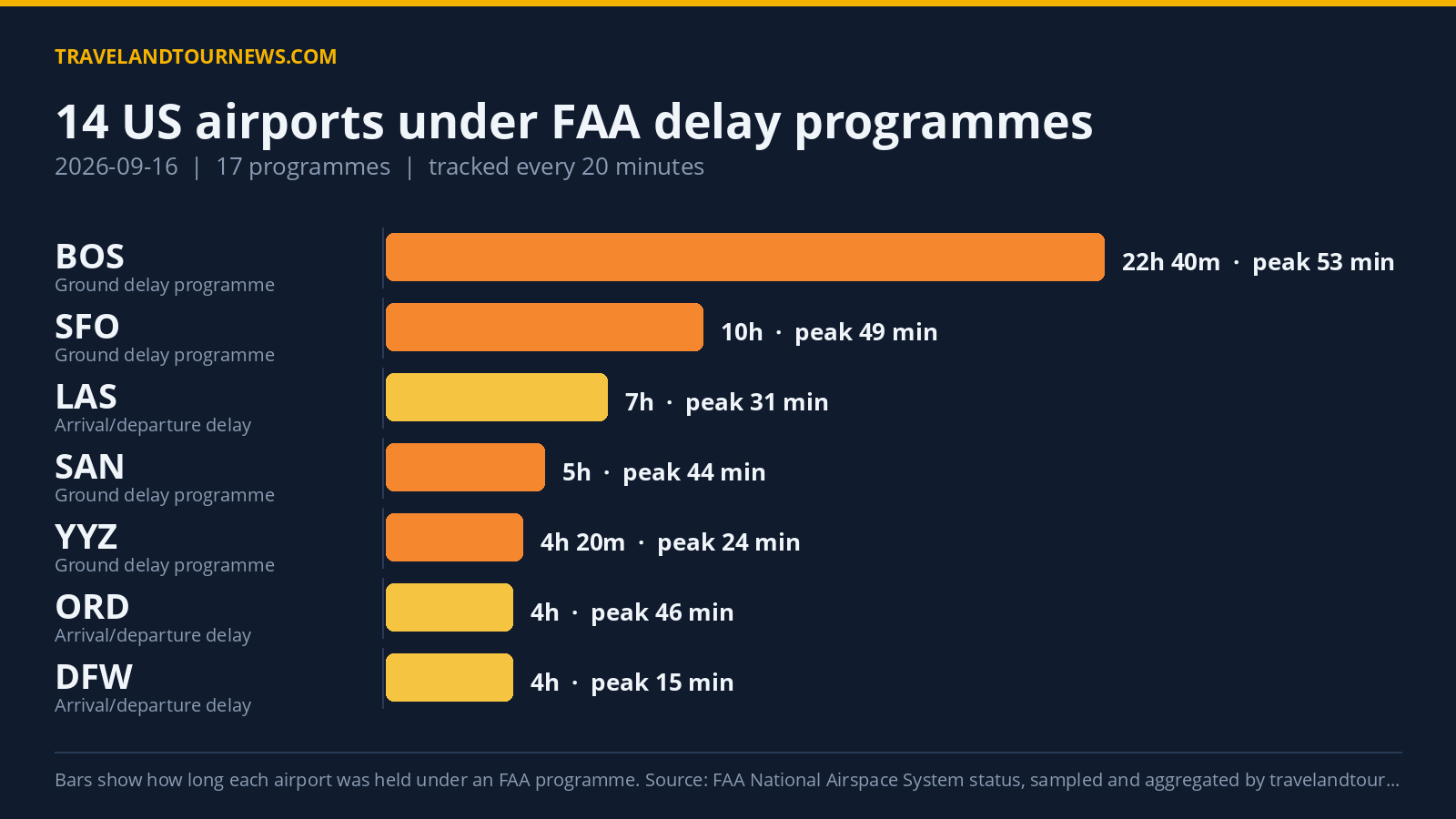
Russia, impacted by Ukrainian attacks and geopolitical tensions. Diesel prices in the United States rose above six dollars per gallon on the Friday preceding the attack. President Zelenskyy emphasized the need for war cessation and proposed de-escalatory measures regarding critical infrastructure as a path toward peace.
Key Official Statements
European Union foreign policy chief Kaja Kallas said, “We should show that we are there for Ukraine and we are not scared.” Ukrzaliznytsia noted that the diplomatic train carrying Johnson and Bildt “departed the station earlier than scheduled after train timetables were adjusted in real time because of the constant threat of Russian strikes.”
President Trump stated, “Mr. Zelenskyy has to do one thing. He has to stop knocking out diesel fuel in Russia.” Ukrainian President Zelenskyy declared, “The war must be brought to an end. And a de-escalatory step regarding critical infrastructure could be the first step toward peace. We expect specifics from our partners.”