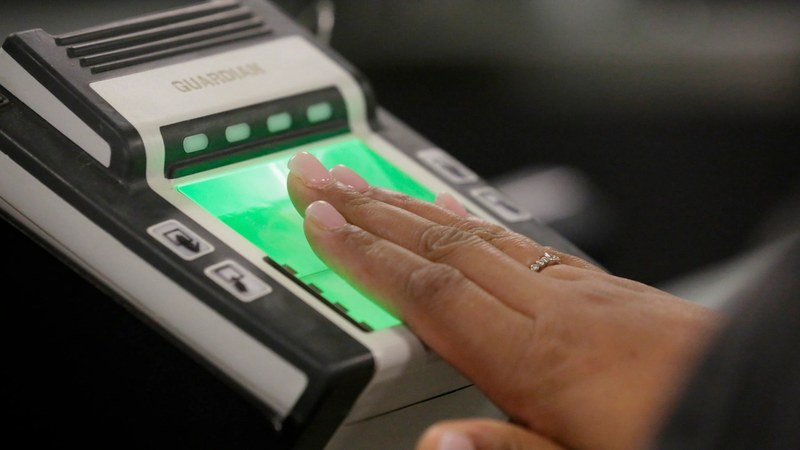
Air Canada has introduced a pilot program at Toronto Pearson International Airport featuring four biometric facial-verification boarding gates. Passengers can enroll via Air Canada’s mobile app for domestic flights, while US-bound travelers are enrolled through American border preclearance at Pearson, eliminating the need for separate advance registration.
Biometric Gate Deployment and Operation
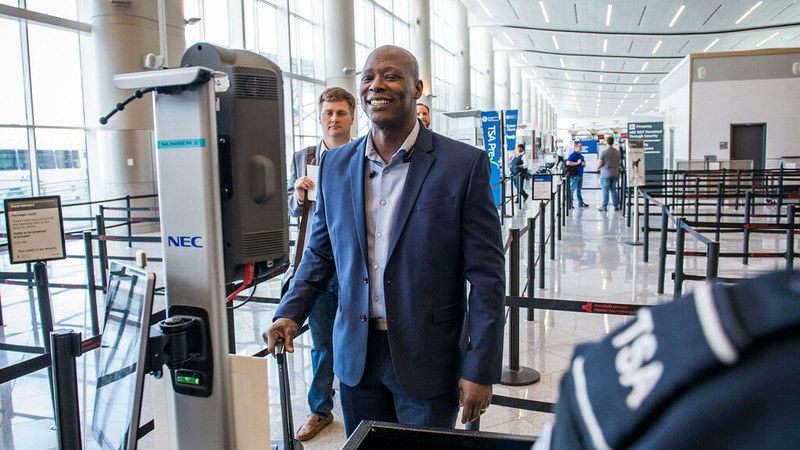
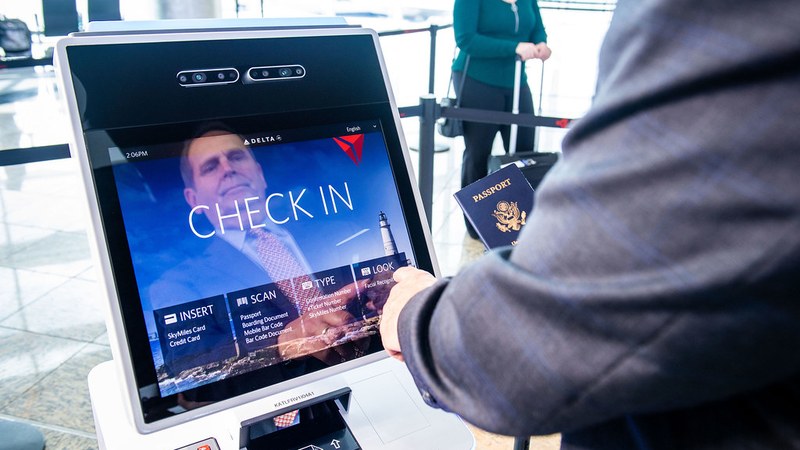
The pilot includes four biometric e-gates operated jointly by Pearson Airport and Air Canada. Three gates serve passengers traveling to the United States through Pearson’s transborder area, and one gate serves domestic passengers departing Canada. Domestic travelers must opt into the program using the Air Canada app before arriving at the gate, where
a live facial image is matched to the airline’s identity gallery to replace showing a passport and boarding pass.
Physical biometric gates are provided by Dormakaba. Middleware connecting the gates with identity management systems is supplied by Airsphere and SITA. Air Canada contributes the domestic enrollment software and maintains the identity gallery. Participation in the pilot is voluntary, with standard document checks remaining available.
Toronto Pearson is monitoring the pilot’s adoption rates, processing times, passenger throughput, and customer satisfaction during boarding operations.
Passenger Volume and Biometric Background
Toronto Pearson currently manages approximately 47 million passengers annually and projects this will increase to 65 million in
the early 2030s. The biometric boarding gates pilot is part of Pearson’s ongoing modernization initiative aimed at integrating digital identity and automated processing to accommodate growing passenger volumes.
Air Canada’s new pilot builds on its previous mobile-based traveler identity program that linked smartphone enrollment with facial recognition technology at airport checkpoints. Similar biometric boarding deployments using selfie onboarding methods have been implemented at Calgary Airport.
Traveler Impact and Operational Scope
Passengers enrolled through the Air Canada app for domestic flights can use facial recognition to board without presenting a passport or boarding pass at the biometric gate. US-bound travelers use a parallel process relying on
images captured during American border preclearance at Pearson. The pilot is restricted to boarding processes only, without extension to other airport procedures.
Toronto Pearson’s broader modernization program continues to deploy digital identity and automation technologies to manage future passenger growth. The pilot demonstrates the capability of combining mobile airline app enrollment and existing government travel records to enable streamlined, automated boarding gate processing.