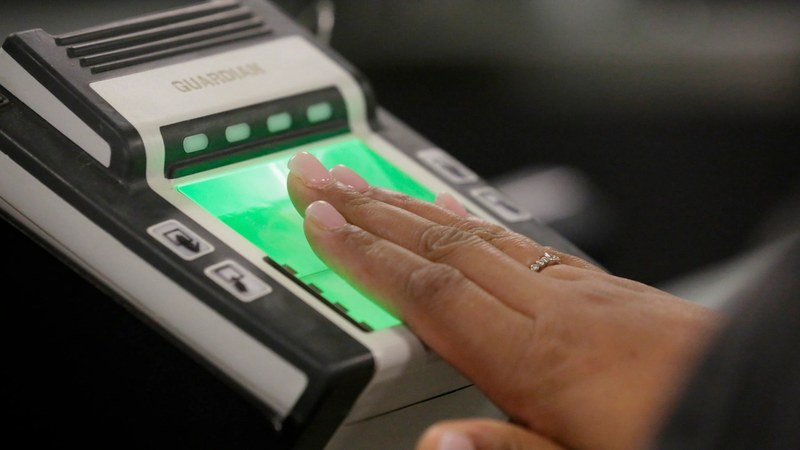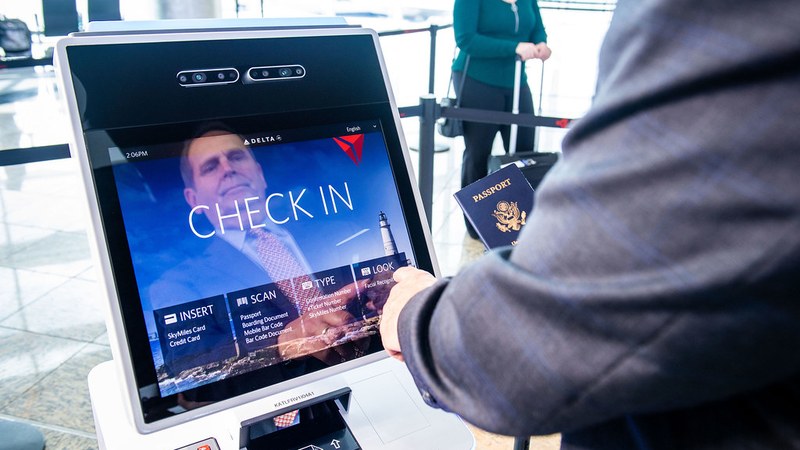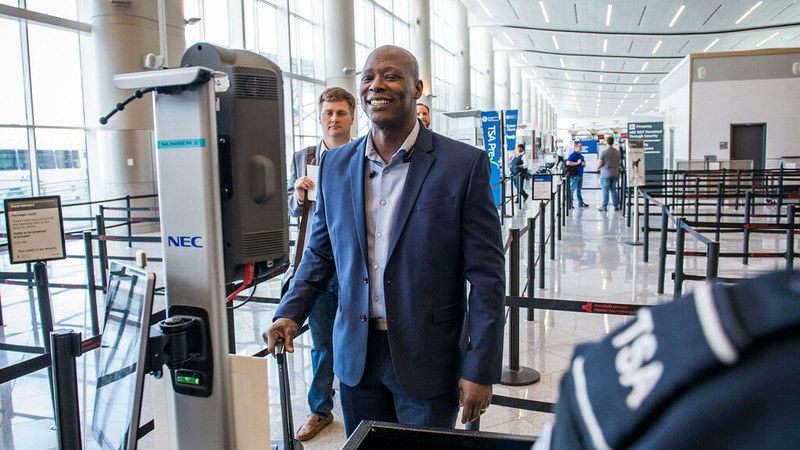
Starting September 2026, Air Canada passengers traveling through Toronto Pearson International Airport can enroll through the airline’s mobile app to use a new facial recognition biometric gate system. The technology enables domestic travelers to replace the need to show a passport and boarding pass at final boarding by verifying identity through a live facial image matched to an approved traveler record held in Air Canada’s identity gallery.
Toronto Pearson is hosting a pilot program featuring four biometric e-gates: one designated for domestic passengers and three serving transborder travelers heading to the United States. The domestic biometric experience requires travelers to
opt in via the Air Canada app prior to arrival at the gate. In contrast, the three transborder gates rely on image data collected during U.S. preclearance procedures and do not require advance enrollment through the app for those flights.
Physical biometric gate infrastructure at Toronto Pearson is provided by Dormakaba. Airsphere and SITA supply middleware that integrates the gates with identity management systems. Air Canada manages the domestic enrollment software and maintains the traveler identity gallery supporting biometric verification within the pilot.
Toronto Pearson International Airport currently accommodates roughly 47 million passengers per year, with that figure expected to
rise to approximately 65 million in the early 2030s. To prepare for increased passenger volumes, the airport is implementing a modernization program that includes digital identity verification and automated processing technologies such as these biometric gates.
Participation in biometric verification is voluntary; conventional document checks remain available. The pilot program tracks metrics including adoption rates, passenger throughput, processing times, and customer satisfaction. It demonstrates two enrollment methods: mobile app registration for domestic flights and existing government-held travel records for U.S. transborder passengers.