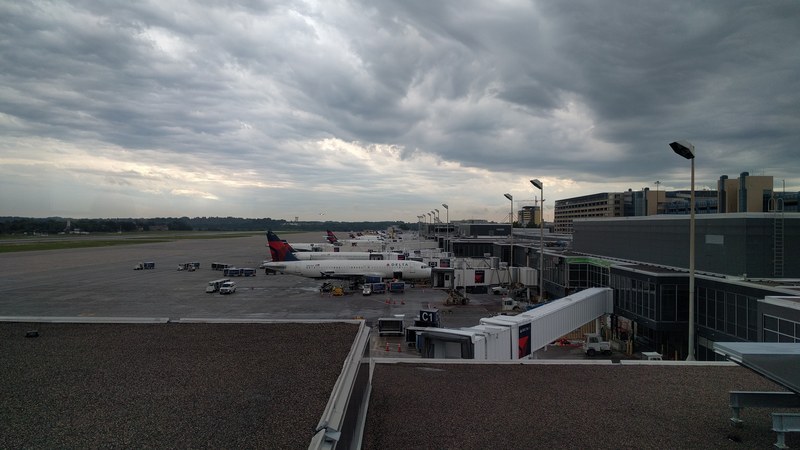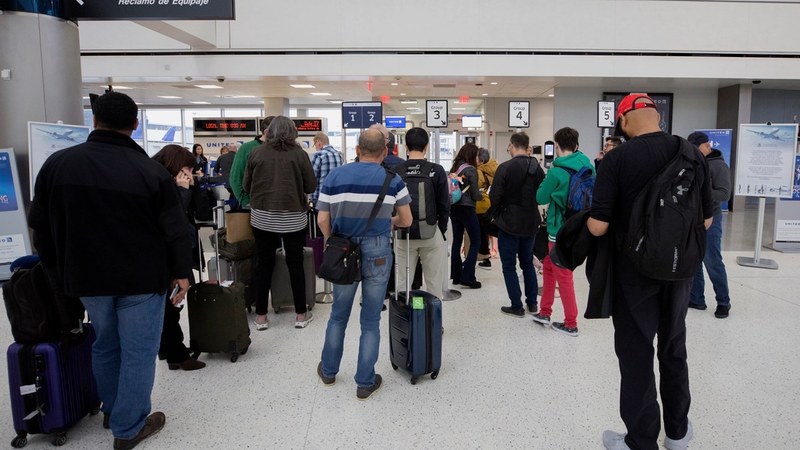
More than 1,238 flights experienced delays across the United States on September 15, 2026, while 53 others were canceled amid widespread operational disruptions. The disturbances affected numerous airports nationwide, causing ripple effects through airline networks.
Key Affected Airports and Weather Factors
Thunderstorms significantly impacted operations at Chicago area airports, including Midway and O’Hare, Houston’s Hobby and Intercontinental airports, as well as multiple gateways in Florida. Meanwhile, low cloud conditions limited arrival rates at Denver and Seattle airports. Ground delay programs were implemented at Boston Logan and Miami International airports to control arrival demand.
FAA Management Tools in Use
The Federal Aviation Administration (FAA) utilized ground delay programs and ground stops at
various airports to manage traffic flow amid weather-related and congestion-induced constraints. These measures restricted the number of flights arriving in specific time windows to maintain safe operations during periods of reduced capacity.
Operational Impact on Airlines and Fleets
Delays extended beyond the immediate effects of weather as interconnected airline fleets experienced cascading challenges. Late aircraft arrivals and crews reaching duty limits heightened the complexity of resuming normal schedules. This dynamic caused subsequent flights to be delayed, even after weather conditions improved.
Advice for Travelers and Cancellation Policies
Passengers faced longer wait times, departure holds, and altered boarding schedules. Checking airline apps, FAA airport-status dashboards, and flight-tracking services like FlightAware is critical, as
delay statistics update frequently throughout the day. According to U.S. Department of Transportation guidance, passengers whose flights are canceled may obtain refunds if they opt not to travel. Airlines prioritize rebooking on their networks, but travelers might find alternate same-day routes through nearby airports in multi-airport regions.
The FAA’s September 15 outlook highlighted multiple weather pressure points across the Midwest, Gulf Coast, Florida, Denver, and Seattle, contributing to the nationwide delay pattern. The agency continues to rely on delay management programs to balance demand and capacity during weather disruptions.