A technical failure in the United Kingdom’s air traffic control system on September 8, 2026, caused the cancellation of over 1,300 flights across multiple airports in the country. The disruption continued into the following day, September 9, with more than 250 additional flight cancellations, predominantly at London’s Heathrow Airport.
Major Airports and Airlines Hit by System Fault
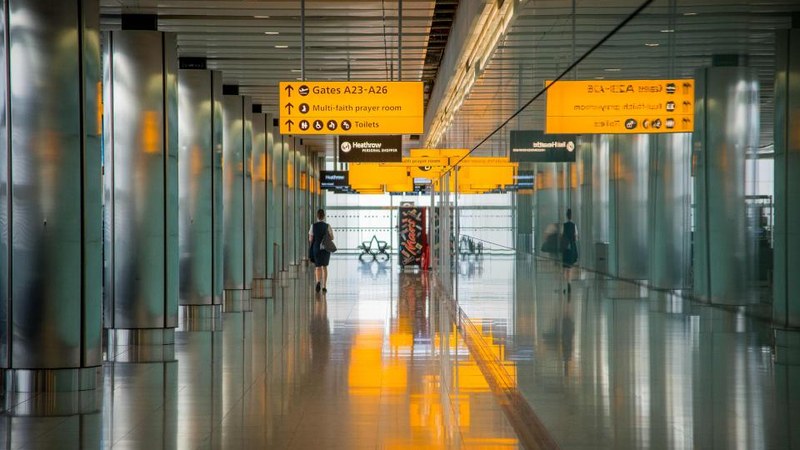
The failure affected around 15 UK airports, including major hubs such as Heathrow, Gatwick, Stansted, and Southend. Ground operations at Heathrow and Gatwick were notably impacted, with Heathrow suspending arrivals temporarily on September 8 before resuming departures later that day. Liverpool, Birmingham, and Edinburgh airports also reported operational difficulties linked to
the outage. Dublin Airport, outside the UK, canceled dozens of flights due to the ripple effects.
British Airways canceled or diverted over 100 flights, impacting tens of thousands of customers. Irish low-cost carrier Ryanair reported disruption to more than 65,000 passengers and canceled upwards of 50 flights. Passengers described extended delays, with some stuck on aircraft for hours before flights were canceled, and frequent complaints about poor communication from airlines amid the chaos.
NATS Response and Official Reactions
UK National Air Traffic Services (NATS) acknowledged the “system issue” that caused the disruption, describing the recovery efforts as “very complex” and affecting the entire aviation network.
NATS posted on social media that work was ongoing to assist airlines and airports in clearing the backlog of flights, apologizing unreservedly for the disruption.
A British Airways spokesperson confirmed the cancellations and diversions were beyond their control, describing the situation as “incredibly frustrating” and warning of significant knock-on effects. British Transport Secretary Heidi Alexander called for assurances that lessons would be learned and aviation support systems would be improved. Ryanair’s Chief Operating Officer Neal McMahon demanded that NATS CEO Martin Rolfe be removed, stating the CEO had “failed UK travellers” again and urging government intervention.
Impact on Travelers and Operations
The air traffic control
fault led to heavy delays at the busiest UK airports, with some flights reporting up to 80 minutes in delays. Heathrow’s temporary suspension of arrivals and Gatwick’s ground operation stoppages compounded the disruption. Passengers experienced extended waits on planes delayed on runways, with healthcare worker Josie Donoghue describing Gatwick as “an absolute nightmare” after being stuck for three hours before disembarking.
The delays also affected event schedules, including Arsenal Football Club canceling a Champions League news conference after their flight to Napoli, Italy, was delayed due to the disruption.
Context of UK Air Traffic Control Failures
This incident marks the UK’s worst air traffic control systems failure
in recent years, following a similar disruption in 2023 that affected over 700,000 passengers. The September 8, 2026 failure exposed ongoing vulnerabilities in the National Air Traffic Services flight processing system, leading to widespread cancellations and operational strain across the aviation sector.
Authorities and airline officials have called for accountability and improvements to avoid repeat occurrences of such large-scale disruptions to UK airspace and airport operations.