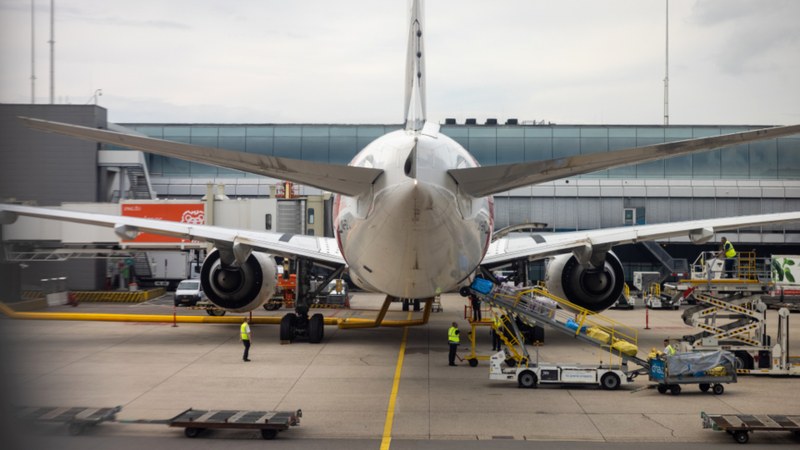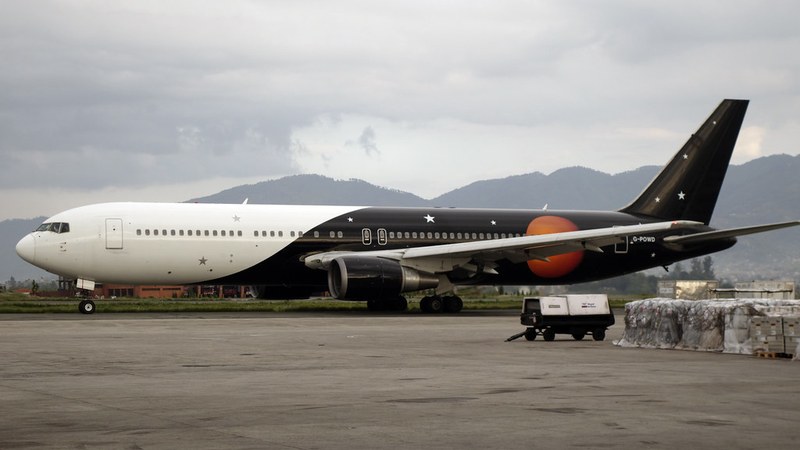
An Amazon Prime Air Boeing 767 freighter operated by 21 Air crashed on Runway 30 at Miami International Airport on Sunday, September 6, 2026. The cargo plane overran the runway and struck multiple vehicles outside the airport perimeter, killing five people and injuring five others on the ground. Both pilots survived and received medical treatment.
The Federal Aviation Administration (FAA) immediately imposed a ground stop at Miami International Airport following the crash, halting all departures and arrivals for several hours. An active FAA Ground Delay Program remained in effect through 9:59 PM EDT on Tuesday, September 8, 2026, causing average
ground delays exceeding two hours and peaking at nearly four hours on Tuesday morning.
At least two of Miami International’s four runways, including Runway 12/30 and adjacent taxiways, remained closed through Tuesday morning due to damage and ongoing recovery efforts. The National Transportation Safety Board (NTSB) recovered the aircraft’s flight recorders and is conducting an investigation into the cause of the overrun. Emergency crews secured the scene, restricting airport access and complicating restoration of normal operations.
The reduced runway capacity limited airport throughput, forcing airlines to consolidate takeoff and landing schedules. This compression created operational bottlenecks, resulting in systemwide flight
delays and cancellations for traffic to and from Miami. Airlines have reported continued ripple effects over subsequent days as displaced crews and aircraft have yet to return to regular rotations.
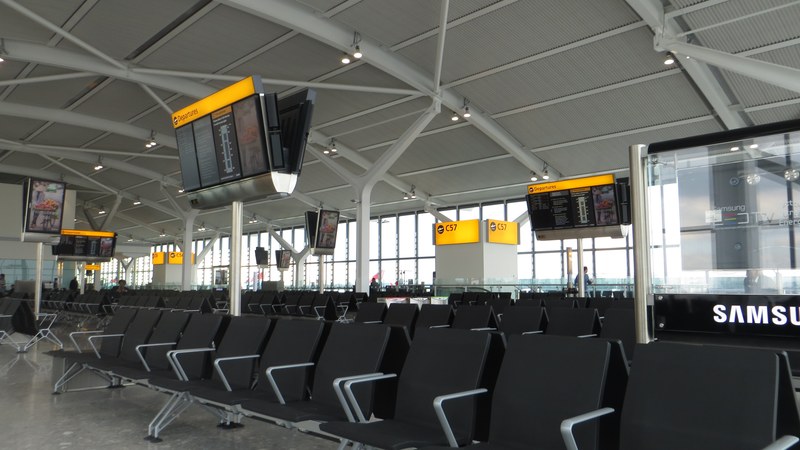
Travelers at Miami International faced longer gate waits, increased aircraft holding patterns on taxiways, and heightened risk of missed connections. Crowded terminals experienced extended lines at security checkpoints, concessions, and baggage claim areas. Ground transportation routes near the airport encountered intermittent closures and detours due to the crash and recovery activities.
FAA and airport officials confirmed that runway closures and diminished capacity would persist at least through Tuesday, September 8,
while investigation and infrastructure repair continue. Airlines advised passengers to monitor their flight status frequently through official channels, noting frequent schedule changes and gate reassignments throughout the day.
Passengers affected by cancellations were generally allowed to rebook on the next available flights with their airlines, subject to seat availability and fare rules. Some flights inbound to Miami were delayed at origin or diverted to alternate South Florida airports to manage congestion. Airlines also suggested that travelers consider alternate routing through hubs such as Atlanta, Dallas, or Charlotte to mitigate delays.
Miami International Airport is a critical gateway for Latin America
and the Caribbean; disruptions at this hub have cascaded across multiple domestic and international flight networks. The incident’s impact on runways and airport capacity highlights continued operational challenges expected in the coming days.
Travelers planning trips through Miami were urged to build in extra connection times, test alternate routing options, and anticipate prolonged wait times on-site. Frequent flight status checks through airline apps and websites remained the most reliable source for up-to-date information as the airport works toward restoring full capacity.