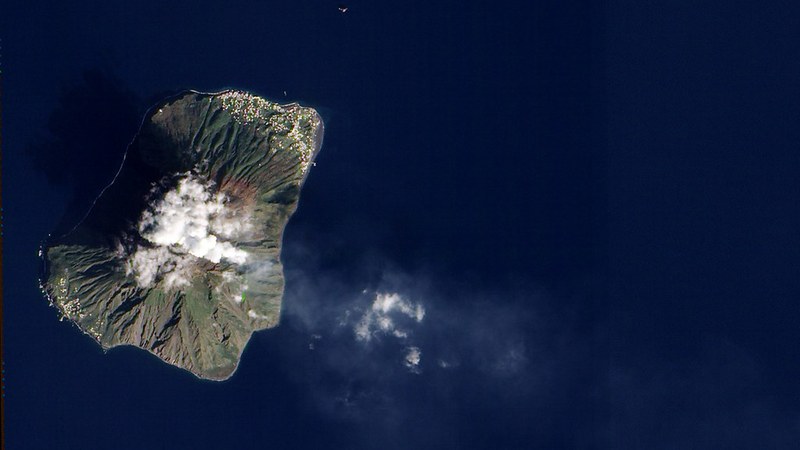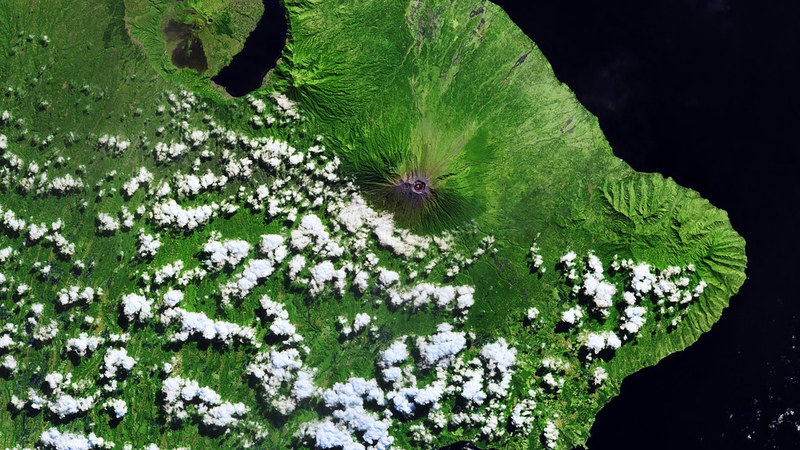
Mount Anak Krakatau erupted from late Friday, 4 September to early Sunday, 6 September 2026, producing extensive volcanic ash that forced the closure of eight airports across Indonesia on Monday, 7 September, causing severe air travel disruption.
Flight Disruptions and Passenger Impact
Indonesia’s Ministry of Transportation initially reported 1,558 flights delayed or cancelled across the affected airports, impacting roughly 170,000 passengers. Subsequent updates raised these figures to more than 2,300 disrupted flights and over 270,000 passengers affected, according to Reuters and Getaway Magazine.
Airports and Regions Affected
The volcanic ash spread across airspace over parts of Java and Sumatra, including the regions of Banten, Jakarta, West Java, and Sumatra.
Eight airports remain closed as of Monday morning, 7 September 2026. Soekarno-Hatta International Airport, Indonesia’s main international gateway located near Jakarta, saw disruptions to more than 900 flights, making it one of the worst impacted airports.
Volcanic Ash Hazards and Spread
Mount Anak Krakatau, positioned in the Sunda Strait between the islands of Java and Sumatra, is over 150 kilometers from Soekarno-Hatta International Airport. Despite this distance, volcanic ash spread extensively due to wind and weather conditions, contaminating multiple airspace sectors and posing severe risks to aircraft, especially engine damage.
Monitoring and Safety Measures
Indonesia’s Meteorology, Climatology and Geophysical Agency (BMKG) conducts continuous 24/7 monitoring of volcanic ash movement
and issues aviation warnings accordingly. The Ministry of Transportation adjusts airport closures dynamically based on ash concentration and forecasts rather than predetermined schedules to maintain aviation safety.
Eruption Duration and Volcano Alert Status
Indonesia’s Geological Agency confirmed the eruption lasted approximately 25 hours from late Friday, 4 September through early Sunday, 6 September 2026. The volcano’s activity remains at Level III (Siaga), indicating a high risk of further eruptions. An exclusion zone around Mount Anak Krakatau is in place due to volcanic material hazards.
Impact on Travellers
The closures and flight cancellations have stranded thousands of travelers, with long queues at affected airports and flight schedules changing at short
notice. Airport reopening decisions depend on volcanic ash concentration in airspace, causing delays to remain uncertain. Travelers within or flying to Indonesia are advised to monitor airline and airport updates closely.
Geological Context
Indonesia lies along the Pacific Ring of Fire, a tectonically active zone prone to frequent volcanic eruptions. The Anak Krakatau eruption highlights the ongoing vulnerability of Indonesia’s aviation network to volcanic hazards affecting air travel across major hubs including Jakarta.