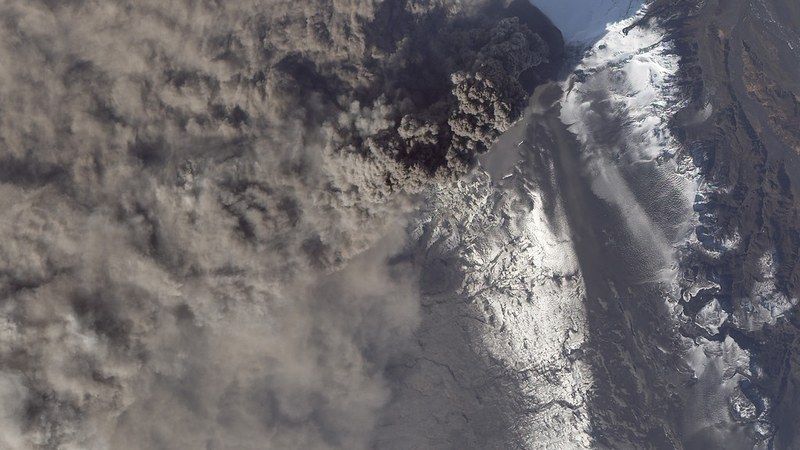
Mount Anak Krakatau erupted in the Sunda Strait between Java and Sumatra beginning late on Friday, 4 September 2026, producing volcanic ash clouds that forced the temporary closure of eight Indonesian airports on Monday morning, 7 September 2026.
Flight Cancellations and Passenger Impact
Initial reports by Indonesia’s Ministry of Transportation showed that 1,558 flights were delayed or cancelled, affecting approximately 170,000 passengers. Among the airports closed, Soekarno-Hatta International Airport near Jakarta was the hardest hit with more than 900 flights disrupted. Later updates from Reuters increased the total number of disrupted flights to over 2,300 and the affected passengers to about 270,000 as of Monday.
Monitoring and Safety Measures
Indonesia’s Meteorology, Climatology and Geophysical Agency (BMKG) confirmed the closures, citing safety concerns due to volcanic ash in the airspace. The agency is monitoring ash movement continuously and issues aviation warnings. Indonesian transport authorities are closely reviewing and extending airport closures based on ash dispersion rather than setting fixed reopening schedules. Safety remains the priority amid unpredictable ash patterns.
Geographic Spread of Volcanic Ash
The volcanic ash from Anak Krakatau spread over wide areas including Banten, Jakarta, West Java, and parts of Sumatra. Despite Anak Krakatau being more than 150 kilometers from Soekarno-Hatta International Airport, prevailing winds carried ash into the airspace over Java and
Sumatra, complicating flight operations. Authorities noted that ash clouds travel great distances, making airspace restrictions fluid and difficult to predict.
Traveler Disruptions and Ongoing Eruption Status
The eruption led to thousands of passengers stranded due to flight cancellations and delays across affected airports. Queues formed at airports where operations remained open, with travelers seeking alternative routing. Indonesian Geological Agency reported the ongoing volcanic activity included a continuous eruptive episode lasting about 25 hours from late Friday through early Sunday, leaving the volcano at alert level III (Siaga). An exclusion zone around Anak Krakatau remains in effect to prevent public entry near the volcano.
Volcanic Risks to Indonesian Air Travel
Indonesia lies on
the Pacific Ring of Fire, where volcanic activity frequently disrupts air travel. Anak Krakatau’s eruption is notable for its widespread cancellation of flights, especially in and around Jakarta. Volcanic ash poses a significant hazard to aircraft engines, justifying airport closures to safeguard passengers and crew. The situation remains dynamic as ash clouds continue to impact Indonesian skies.