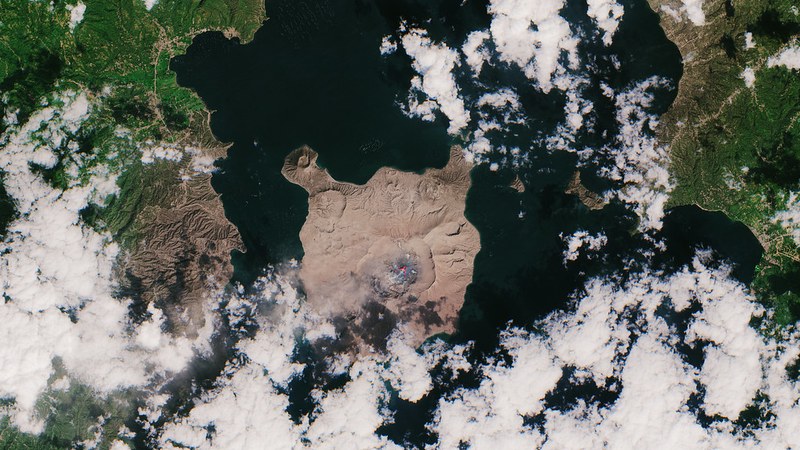
Mount Anak Krakatau erupted in the Sunda Strait between Java and Sumatra, Indonesia, triggering a 25-hour eruptive phase starting late on September 4 and ending early September 6, 2026. The eruption dispersed volcanic ash across parts of Java, Sumatra, and surrounding airspace.
Airport Closures and Flight Disruptions
On Monday morning, September 7, 2026, eight Indonesian airports were closed temporarily as a precaution due to volcanic ash clouds, according to Indonesia’s Meteorology, Climatology and Geophysical Agency (BMKG). The Indonesia Ministry of Transportation reported that initially 1,558 flights were delayed or canceled, impacting roughly 170,000 passengers. More than 900 of these flights were linked to Soekarno-Hatta International
Airport in Jakarta, the country’s main international gateway. By Monday, disruptions had increased to over 2,300 flights affected, with more than 270,000 passengers impacted nationwide.
Volcanic Ash Impact on Airspace and Regions
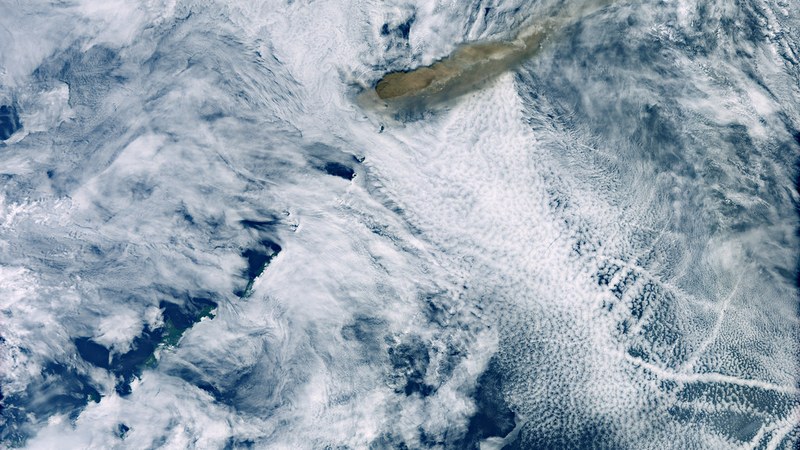
The ash plume from Anak Krakatau, located over 150 kilometers from Soekarno-Hatta International Airport, has spread into airspace over Jakarta, Banten, West Java, and parts of Sumatra. BMKG satellite data recorded ash plumes reaching heights of up to 50,000 feet. The ash clouds have rendered airspace unsafe for aircraft, prompting closures even at airports distant from the volcano. Volcanic ash risks include damage to aircraft engines and visibility hazards, forcing ongoing adjustments to airport operations
based on ash movement and weather.
Government Response and Safety Measures
BMKG is monitoring volcanic ash dispersal continuously and has issued aviation warnings across affected regions. Indonesia’s Ministry of Transportation is reviewing airport closures daily and extending or lifting them depending on atmospheric conditions to maintain flight safety. Anak Krakatau remains at alert level III (Siaga), indicating potential ongoing volcanic activity with authorities enforcing an exclusion zone around the volcano. Officials have highlighted the unpredictable nature of ash drift and its impact on flight schedules.
Traveler Impact and Operational Uncertainty
Thousands of travelers remain stranded amid flight cancellations and airport shutdowns, facing long queues and uncertain schedules. Passengers have had
to seek alternative routes amid frequent last-minute changes. Authorities have not confirmed reopening times for affected airports, stating that decisions depend on real-time ash concentration and weather conditions. Travelers operating in or transiting through Jakarta’s airspace are experiencing significant delays and disruptions.
Indonesia’s Volcanic Vulnerability and Aviation Risks
Indonesia’s location on the Pacific Ring of Fire makes it prone to frequent volcanic eruptions and tectonic activity, often resulting in air travel disruptions. The Anak Krakatau eruption is notable for the scale of its aviation impact, particularly near the capital Jakarta. Volcanic ash can travel long distances from its source, complicating efforts to maintain safe airspace boundaries
and affecting airports well beyond the immediate vicinity of volcanoes.