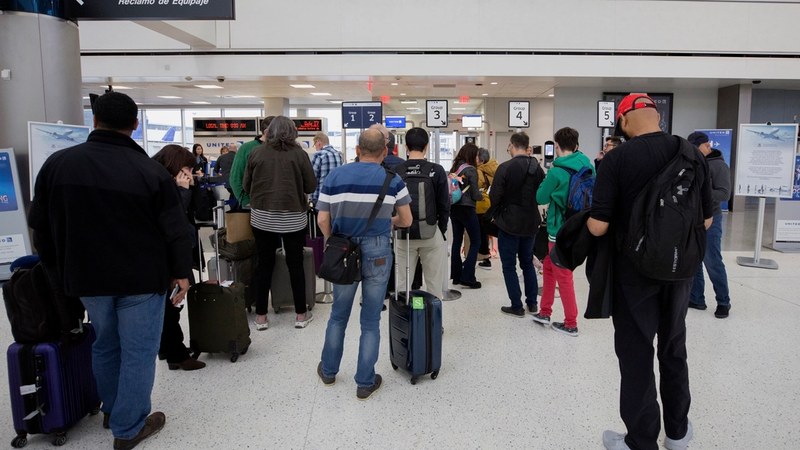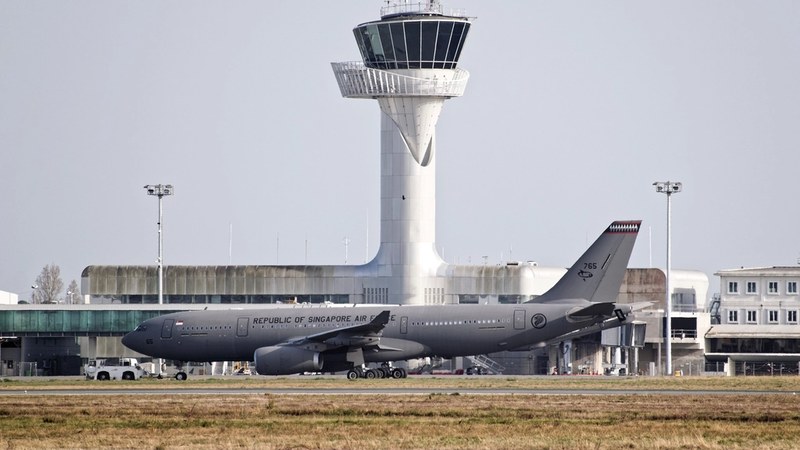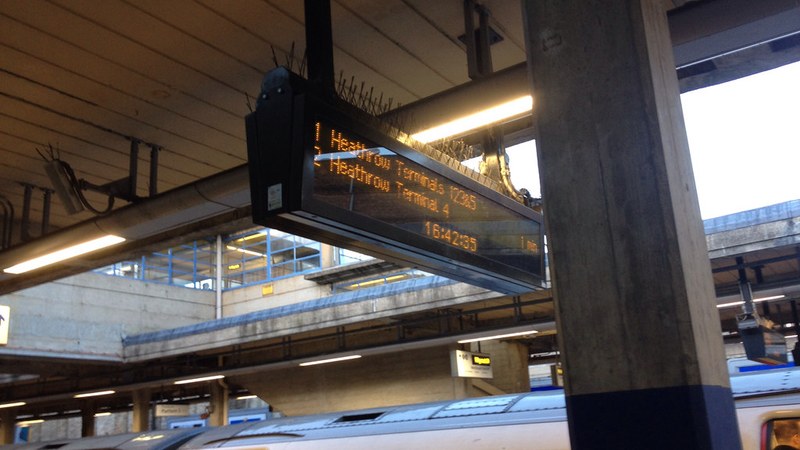
Train services to and from Heathrow Airport were suspended on September 6, 2026, following a trackside grass fire that caused an electricity supply failure, blocking all rail lines between London Paddington station and the Heathrow terminals as well as to Reading.
Great Western Railway cancelled its services to Reading, while the Elizabeth line and Heathrow Express trains did not operate between Paddington and Heathrow on the evening of September 5. National Rail reported “major disruption” was expected until the end of Saturday, with ongoing effects possibly continuing into Sunday morning.
Firefighting Response and Location
The grass fire ignited shortly after 16:00 BST on September
5 near Scrubs Lane in North Kensington. The London Fire Brigade deployed six fire engines and approximately 40 crew members to extinguish the blaze. Network Rail Western later confirmed the fire was put out but warned disruptions would persist as services recover.
Additional Airfield Fire and Flight Impact
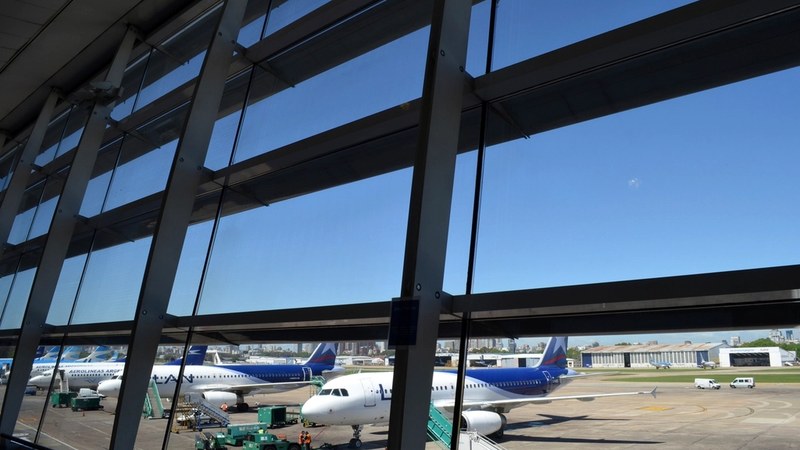
A separate grass fire earlier on September 5 affected Heathrow’s southern runway, resulting in its closure and forcing the diversion of at least two flights. Heathrow Airport issued an apology and stated that the blaze on the airfield was quickly controlled. Weeks earlier, a similar fire near the southern runway had caused 18 flight diversions and destroyed a
large area of grassland.
Official Statements and Travel Advisories
National Rail attributed the rail network blockage to an electricity supply failure caused by the trackside fire. The statement noted: “major disruption was expected until the end of Saturday following the incident which began shortly after 16:00 BST.” Heathrow Airport advised passengers to allow extra time due to rail service suspensions and delays on the Piccadilly line, which also serves the airport.
Network Rail Western indicated that some services could face delays or cancellations into Sunday morning as trains are displaced due to the disruption.
The Met Office’s Fire Severity Index indicated high fire severity levels
for much of southeast England and the Midlands, with exceptional severity in parts of London including Heathrow. Despite recent cooling after a record-breaking summer, wildfire risks remain elevated in the region.