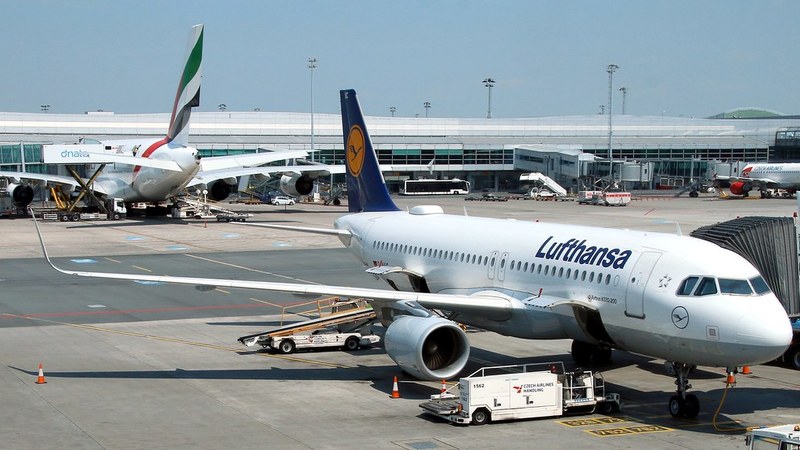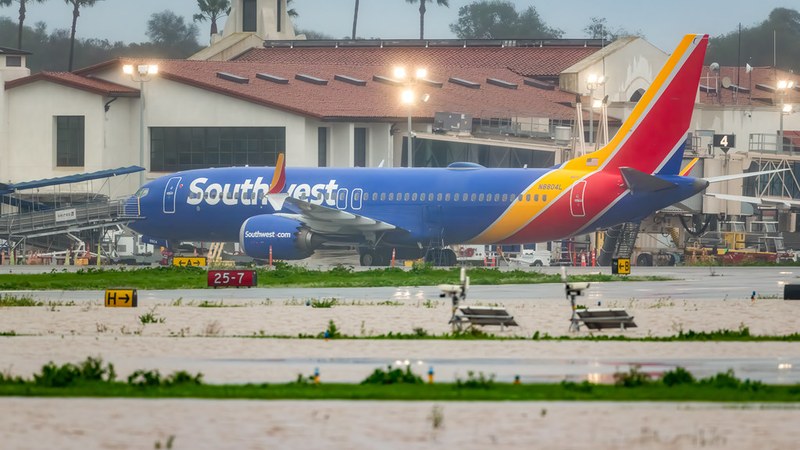
Strong thunderstorms on August 27 and 28, 2026, caused widespread flight delays and cancellations at major airports in the Northeast and Mid-Atlantic regions, particularly in the New York City area. The severe weather disrupted thousands of flights as airlines attempted to adjust schedules during the late summertime peak travel period.
FAA Traffic Management Programs Affect NYC Airports
The Federal Aviation Administration (FAA) implemented weather-related traffic management programs at John F. Kennedy International Airport (JFK), Newark Liberty International Airport, LaGuardia Airport, and Teterboro Airport. Early on August 28, JFK experienced average departure delays exceeding three hours, with gate and taxi delays nearing two hours. Newark Liberty, as of
August 27, reported average arrival and departure delays of approximately two and a half hours, compounded by congestion in the northern New Jersey and New York Harbor airspace. LaGuardia, which generally has limited runway capacity, had the most significant disruptions on August 27, with over 200 flight delays and dozens of cancellations recorded in a single day. Teterboro Airport, crucial for private and corporate air traffic, was also cited by the FAA for congestion impacting general aviation operations around the metro area.
Delays and Cancellations Extend Across U.S. Hubs
By the afternoon of August 27, more than 1,300 flights within, into, or out of the United States
were delayed, while over 150 were canceled nationwide. The delays were not confined to New York City alone; key hubs such as Atlanta, Charlotte, Denver, and airports in Florida and Texas also experienced disruptions. These arose largely because flights destined for the storm-affected New York airports were either held on the ground or rerouted, creating cascading delays at these other locations.
Passenger Impact and Airline Responses
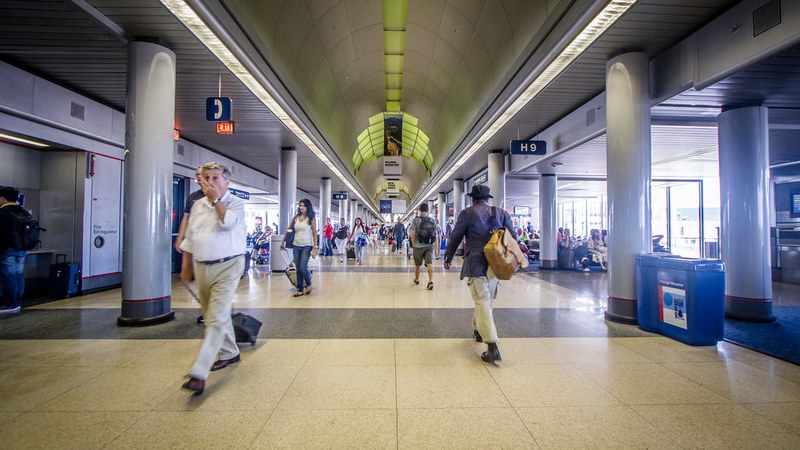
Passengers faced long wait times, with social media and travel forums showing reports of extended rebooking queues and limited same-day alternative flight options. Some travelers had to wait until the following day or later for available seats, especially on
high-demand business routes. In response, multiple airlines introduced or extended flexible travel policies around August 27 for flights to and from the New York region, allowing fee-free changes for eligible passengers maintaining the same itinerary. Consumer advisories recommended travelers be prepared for extended delays and emphasized the importance of flexibility when traveling through the affected airports.
Causes and Industry Context
The flight disruptions were triggered by a band of strong thunderstorms and heavy rain moving through the Mid-Atlantic and Northeast on August 27-28. The storms combined with already congested airspace and runway limits at major New York area airports, exacerbated by peak summer travel
volumes operating near capacity. Recurring patterns of summer thunderstorms and air traffic constraints at East Coast airports, including tight crew scheduling and limited spare aircraft, commonly amplify delay risks during this period. FAA data tools and airport advisories stress that delay information is general, urging travelers to check directly with airlines for specific flight updates. Ongoing efforts in weather forecasting, air traffic routing, and traffic management aim to reduce such widespread disruptions in future weather events.