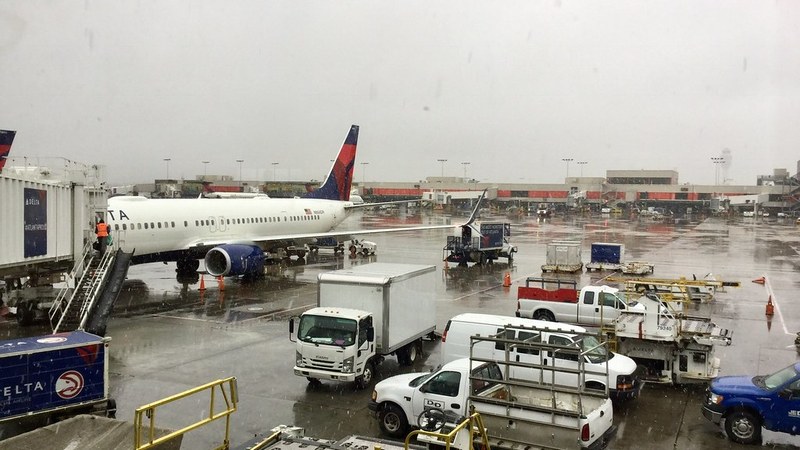
Severe thunderstorms on August 27 and 28, 2026, disrupted flight operations across the Mid-Atlantic and Northeast, triggering Federal Aviation Administration (FAA) traffic management programs at major New York City area airports. The storm-driven measures led to widespread delays and cancellations at Newark Liberty International Airport, John F. Kennedy International Airport, LaGuardia Airport, and Teterboro Airport.
Delays at Newark, JFK, LaGuardia, and Teterboro
Newark Liberty International Airport experienced average arriving and departing delays of approximately two and a half hours on August 27 due to the thunderstorm-related restrictions. John F. Kennedy International Airport faced even longer holds, with average departure delays exceeding three hours as of early August
28. Gate holds and taxi delays near two hours were reported for some JFK departures. LaGuardia Airport recorded over 200 delays and dozens of cancellations on August 27, the highest totals among U.S. airports that day. The nearby Teterboro Airport was included in FAA advisories for congestion caused by the weather system, affecting private and corporate aviation traffic approaching and departing the New York metro area.
Nationwide Impact of Flight Delays and Cancellations
By the afternoon of August 27, more than 1,300 flights were delayed and upwards of 150 were canceled nationwide, with a disproportionate volume connected to New York City airports. Thunderstorms along the East Coast
and mid-continent corridor affected operations at other major hubs, including Atlanta, Charlotte, Denver, and multiple airports in Florida and Texas. Flights departing these locations bound for New York-area airports faced extended ground holds or rerouting as air traffic controllers slowed arrival rates into the storm-impacted regions.
FAA Traffic Management Actions in Response to Storms
The FAA implemented multiple ground delay programs and intermittent ground stops during the period to manage arrival flows into affected airports. These programs restrict aircraft departures at origin airports in order to reduce congestion and enhance safety at airports where thunderstorms limited takeoff and landing capacity. Traffic metering was particularly active at JFK, Newark,
and LaGuardia airports, where the combination of weather and dense airspace bottlenecks compounded delays.
Passenger Disruptions and Airline Responses
Travelers experienced multi-hour delays, cancellations, and complicated rebooking options during the storms. Airlines operating in the New York City area enacted or extended flexible travel policies, allowing passengers to change affected flights without fees, provided origin and destination remained the same. Despite these waivers, many travelers reported long queues to rebook and limited availability of same-day alternatives, with some next available seats delayed until the following day or later. Long gate holds and taxi times further contributed to passenger inconvenience at JFK and other airports.
Operational Challenges in Peak Summer Travel
These
weather disruptions occurred during the late summer peak period when U.S. airlines and airports operate near full capacity. Storm-driven traffic management exacerbates existing vulnerabilities such as tight crew scheduling and limited spare aircraft. Southeast and Northeast airports often face afternoon and evening congestion due to summer thunderstorms combined with air traffic control constraints. The FAA maintains that posted airport delay statuses represent broad conditions rather than flight-specific details. With unsettled weather forecast to continue in parts of the East Coast and interior West, travelers experienced ongoing uncertainty during this critical travel window.