Australia’s Federal Government has suspended the processing of Working Holiday Maker (WHM) visa applications from 24 countries starting the weekend prior to 18 August 2026. The Department of Home Affairs lists applications from Argentina, Austria, Brazil, Chile, Czech Republic, Ecuador, Greece, Hungary, Indonesia, Israel, Luxembourg, Malaysia, Mongolia, Papua New Guinea, Peru, Poland, Portugal, Singapore, Slovak Republic, Slovenia, Spain, Switzerland, Thailand, and Uruguay as paused. While WHM visa processing continues at a reduced pace for countries not on the list, the pause has generated concern across agricultural and regional tourism sectors.
Impact on Agriculture and Regional Communities
The visa suspension threatens seasonal labor availability crucial for agriculture,
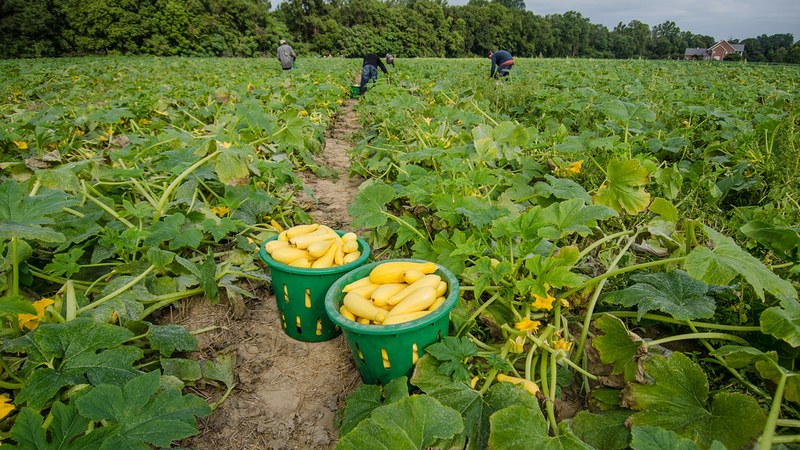
horticulture, grain, and wine industries, especially in regional Western Australia. Nationals WA Leader Shane Love warned that reduced backpacker workers would exacerbate workforce shortages in areas such as the South West, Gascoyne, and Northern Wheatbelt regions. Grain Producers Australia (GPA) Chair Matthew Madden stressed that limiting WHM visa holders during harvest could undermine grain growers’ capacity to complete critical seasonal operations.
The Nationals WA underscored that regional businesses rely heavily on flexible short-term backpacker labor to address ongoing industry challenges, which include drought, fuel supply constraints, and feral animal infestations affecting productivity. Madden highlighted recent discussions at the GPA Policy
Council where concerns over policy changes impacting WHM visa employment were a key focus, further compounded by the recent government announcement.
Government and Opposition Responses
Minister for Home Affairs and Immigration Tony Burke confirmed that WHM visa applications are still being processed but at a slower rate. Burke indicated that the Pacific Australia Labour Mobility (PALM) scheme remains the principal visa initiative for agricultural labor. He noted that improved worker protections under PALM had caused some employers to shift from PALM workers back to backpackers, a practice the government aims to discourage.
Shadow Minister for Tourism David Littleproud criticized the visa pause as damaging
to regional tourism and agriculture. He emphasized that working holidaymakers are not responsible for pressures on urban housing or infrastructure and accused the government of targeting the wrong migration category. Littleproud highlighted the lack of prior notice or industry consultation, warning that the sudden policy change threatens regional businesses during their peak summer seasons.
Regional Areas and Industry Sectors Affected
The pause affects visa applicants from 24 countries seeking to work in Australia’s seasonal industries, impacting tourism operators and farms across regional Australia. Specific regions in Western Australia noted include the South West, Gascoyne, and Northern Wheatbelt, where horticulture, grain production, and wine sectors heavily depend
on backpackers for labor during harvest periods.
Alastair Falconer, WA Grains Group Chair and GPA Policy Council representative, reported challenges finding working holiday visa holders for harvest labor amid the current restrictions. Regional tourism operators also face staffing risks as they prepare for high-demand summer months.
Labor Protections and Migration Policy Context
The Federal Government’s adjustments form part of broader migration management settings and efforts to improve worker protections, particularly under the PALM scheme. Tony Burke acknowledged that some employers had shifted from using PALM workers to backpackers in response to raised standards, contrary to the government’s policy intentions.
Political pressure concerning migration numbers influences these
changes, with the government having overseen net migration growth of 1.4 million people since taking office. Despite this, the government insists on maintaining PALM as the primary agricultural visa while slowing WHM processing from the 24 affected countries.
Traveler and Employer Impacts
The WHM visa pause has created workforce uncertainty for employers and visa applicants alike. Businesses in agriculture and regional tourism face risks of being short-staffed during peak seasons without the usual influx of working holidaymakers. The absence of prior consultation and abrupt policy announcements have left industry groups seeking clarity and planning certainty.
David Littleproud called for immediate government transparency and dialogue
with tourism and agricultural stakeholders before further changes are implemented. The National Farmers’ Federation’s 2024 report previously underscored backpackers’ role in addressing persistent regional labor shortages, a situation now complicated by the pause on visa processing.
“Working holiday visas are still being processed, but they are being processed more slowly than they were previously,” Minister Tony Burke stated at the press conference. Shadow Minister Littleproud added, “Working holidaymakers aren’t the ones putting pressure on housing, infrastructure and services in our cities,” emphasizing the mismatch in the government’s target.