Mount Etna, one of the world’s most active volcanoes, entered a renewed phase of volcanic activity on August 11, 2026. This eruption triggered 98 flight cancellations and 23 delays at Catania-Fontanarossa Airport in Sicily, severely disrupting the region’s air traffic operations.
Widespread Flight Disruptions Affect European Airports
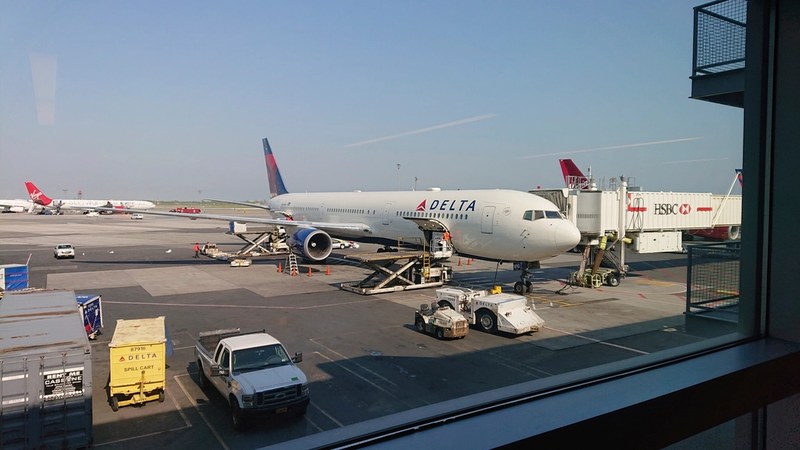
Across Europe, flight delays exceeded 2,200 and cancellations reached 229 as of August 11, 2026, at 1:27 PM ET (5:27 PM GMT). The 98 cancellations at Catania-Fontanarossa represented approximately 43% of all cancellations across Europe. Other major airports affected included Barcelona-El Prat with 282 delays and Rome Fiumicino with 219 delays on the same day.
Volcanic Ash Causes Aviation Safety Concerns
The eruption ejected massive
clouds of volcanic ash and gas over eastern Sicily, extending the ash cloud into the airspace near Malta. Volcanic ash contains glass particles that can damage jet engines and compromise flight safety. These risks prompted Italy’s volcanic monitoring authorities to maintain the highest aviation alert level, leading to airspace restrictions and disrupted operations at multiple airports.
Travelers Face Delays and Cancellations; Rail Suggested
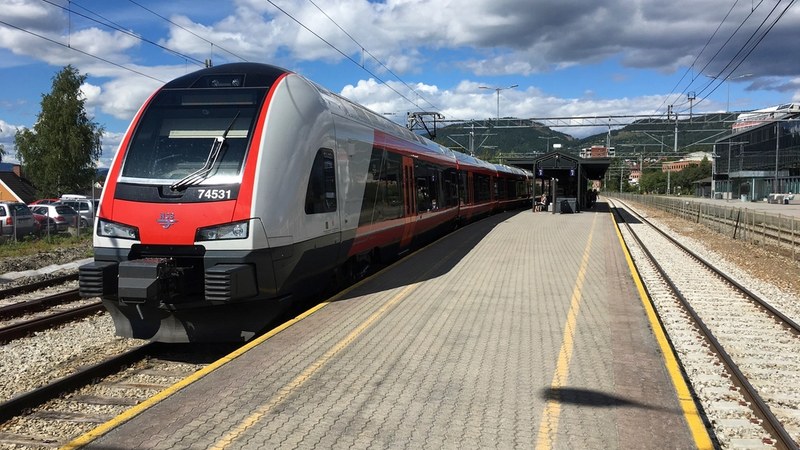
Passengers traveling through Catania-Fontanarossa and other affected airports faced extensive cancellations and delays. Travelers were advised to keep essential items such as medications and travel documents in carry-on luggage during extended wait times. In Italy, high-speed rail lines were recommended as reliable alternatives to
air travel amid the disruptions.
Official Alerts and Environmental Impact
Italy’s volcanic monitoring authorities sustained the highest aviation alert level due to ongoing Mount Etna activity on August 11, 2026. The eruption highlighted aviation’s vulnerability to natural hazards and emphasized the need for coordination among geological, meteorological, and aviation authorities. Flight cancellations and holding patterns caused by the eruption have also increased carbon emissions, demonstrating environmental consequences alongside operational challenges.