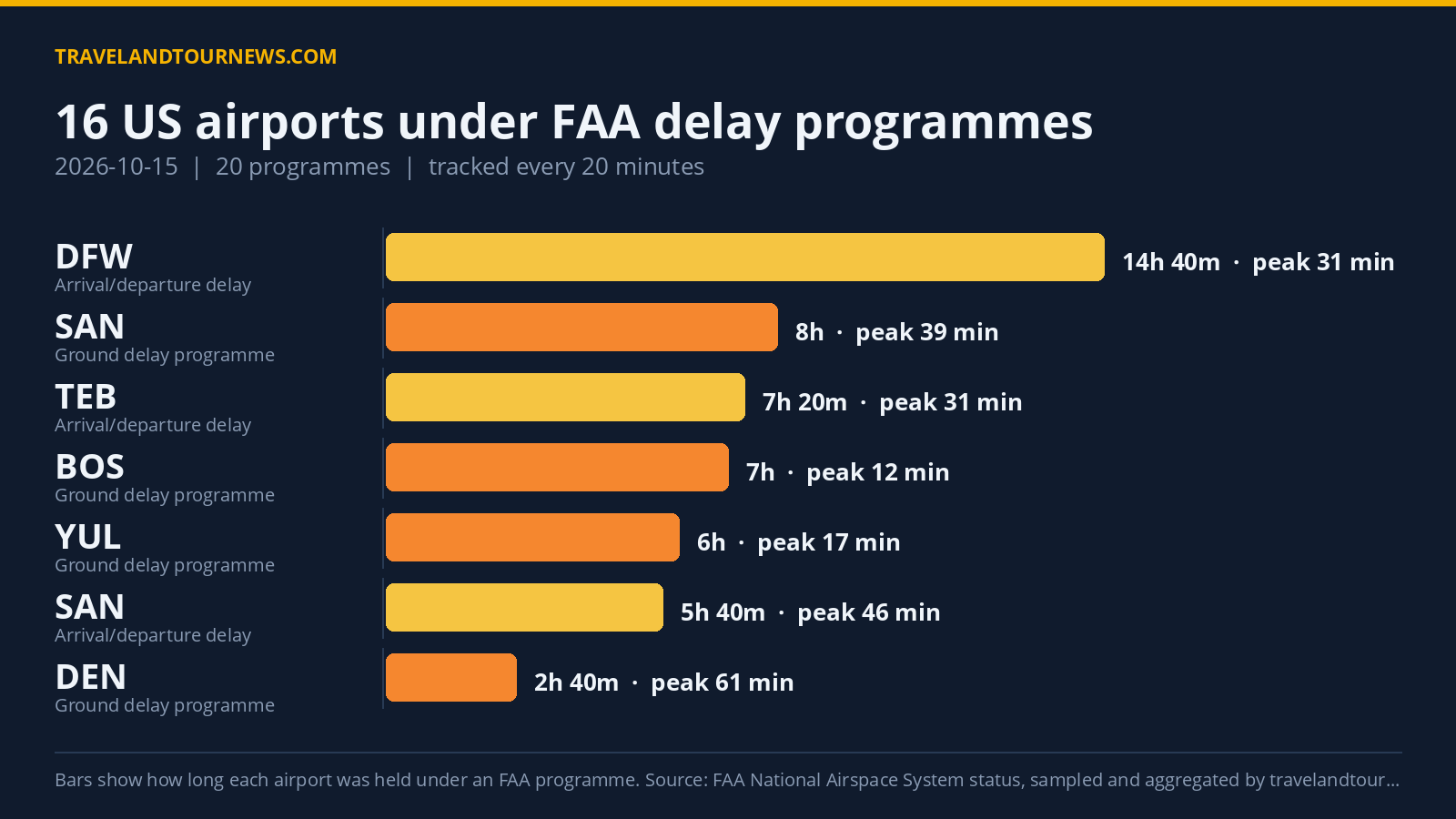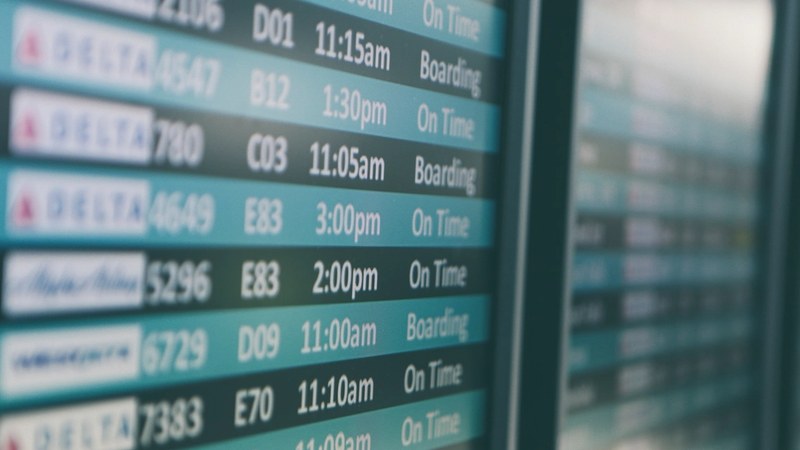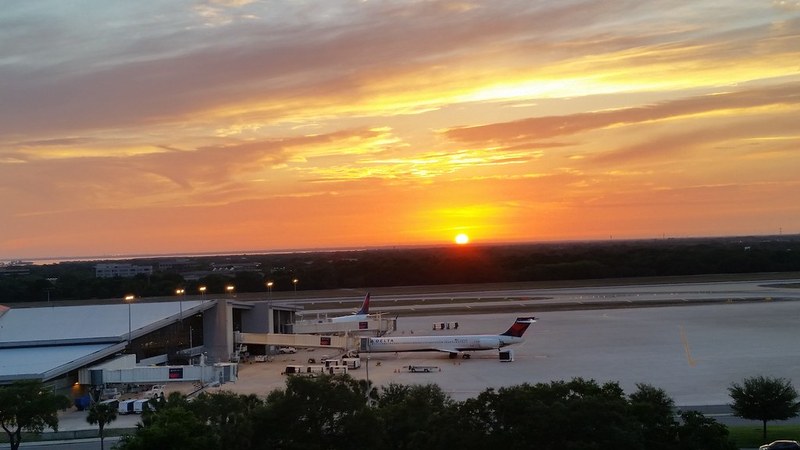
The Federal Aviation Administration imposed a ground stop at New York area airports including John F. Kennedy International Airport, Newark Liberty International Airport, and LaGuardia Airport on August 11, 2026. The restriction resulted in over 930 flight cancellations and delays across these major hubs, interrupting operations amid ongoing severe weather conditions.
FAA Ground Stops as Traffic Management
The FAA classifies ground stops as its most restrictive air traffic control measure designed to hold flights at departure airports to avoid saturation or gridlock at destination facilities. The ground stop held aircraft at feeder cities before approaching the New York airports to maintain safe and manageable traffic flow
during thunderstorms as declared by the National Weather Service.
Weather’s Dominant Role in Delays Nationwide
Severe weather remains the leading cause of flight delays exceeding 15 minutes in the United States, accounting for approximately 74.26% of such disruptions. Thunderstorms on August 10 and 11 led to FAA restrictions not only in New York but also affected other major hubs such as Chicago O’Hare International Airport, Denver International Airport, Las Vegas International Airport, and Tampa International Airport. Chicago O’Hare experienced the highest number of nationwide cancellations and delays during this period, with over 2,000 delays and more than 250 cancellations noted on August 10 and 11. United
Airlines reported 163 delays and 33 cancellations there on August 10 alone.
Airline Flexibility and Traveler Guidance
American Airlines and United Airlines issued flexible rebooking waivers allowing passengers scheduled to fly through Chicago O’Hare and New York area airports to change their travel dates without fees. Passengers impacted by cancellations and delays are advised to rebook promptly and keep essential items in carry-on luggage. Airlines recommend monitoring flight status continuously via official apps or websites for real-time updates regarding delays and gate changes.
Prior Disruptions and Regulatory Context
Earlier severe thunderstorms on August 7 and 8 had forced nearly 2,000 cancellations nationwide, concentrated at New York’s JFK, Newark, and LaGuardia
airports. These disruptions compounded crew and aircraft positioning challenges faced during the most recent ground stops. According to U.S. Department of Transportation regulations effective in 2024, passengers affected by domestic flight delays exceeding three hours are entitled to prompt cash refunds if they decline rebooking. However, these rules do not require airlines to provide accommodations or meal reimbursements for delays classified as weather-related.