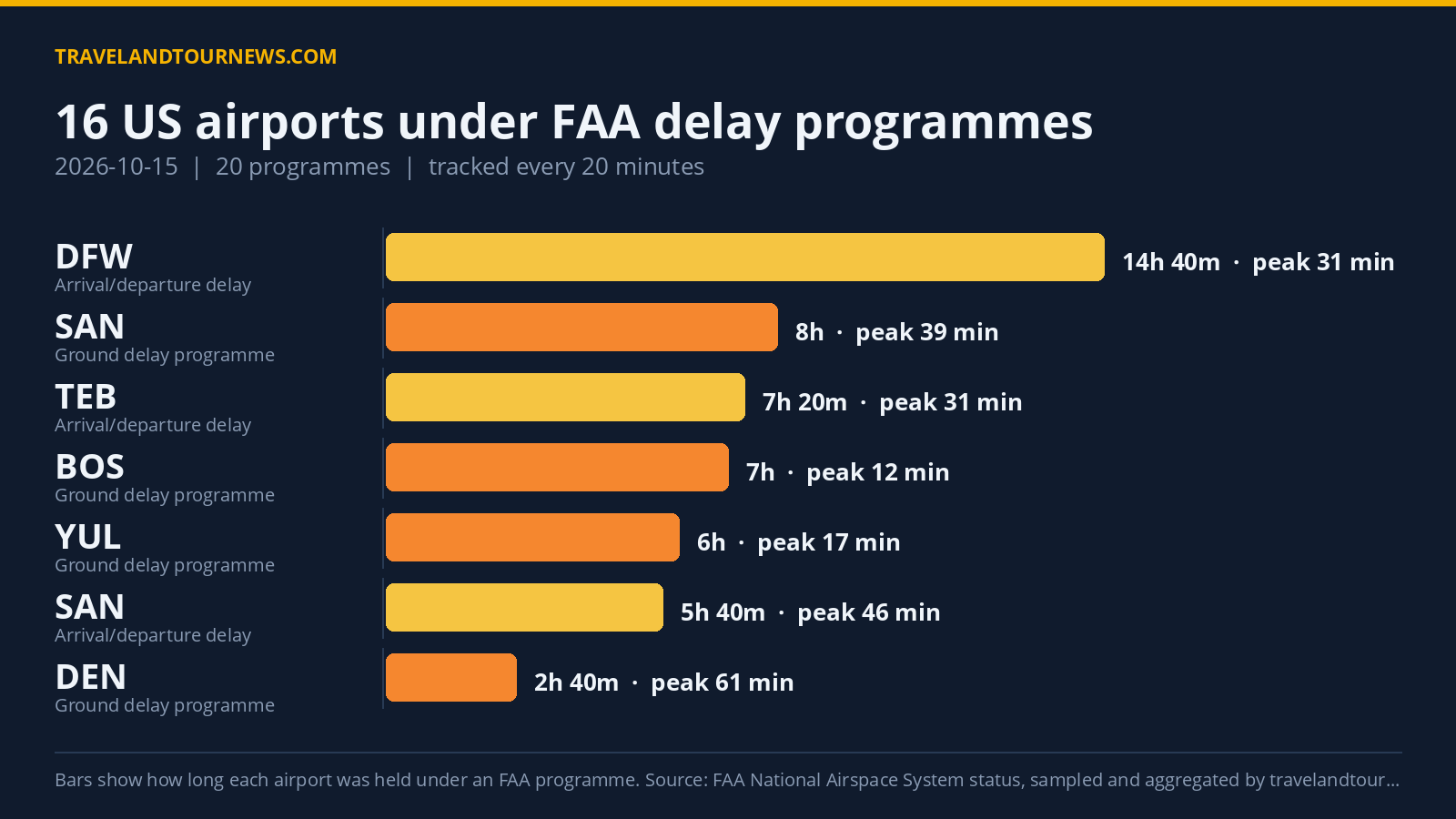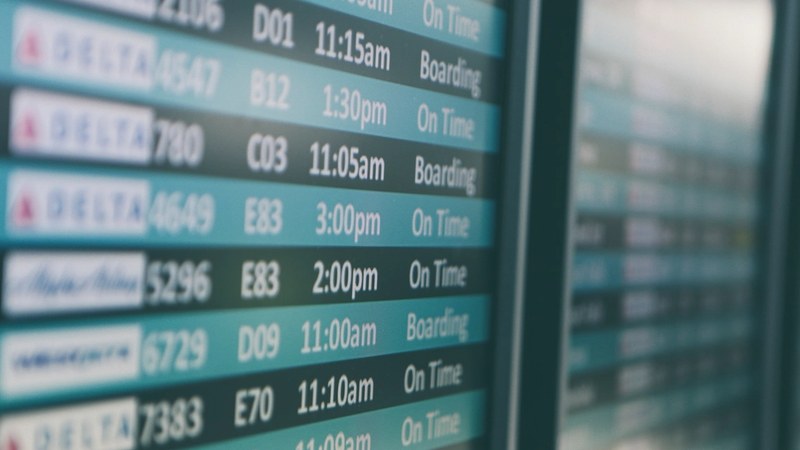
The Federal Aviation Administration (FAA) implemented ground stops over the weekend at five major US airports, resulting in 2,036 flight delays and 263 cancellations nationwide on Monday, August 10. Chicago O’Hare International Airport experienced the highest volume of disruptions.
Ground Stops at Major Airports Including Chicago O’Hare
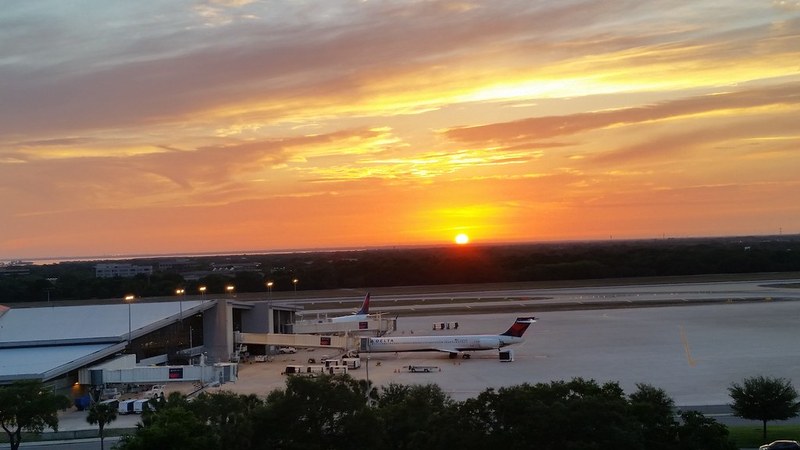
The FAA’s ground stops occurred at Chicago O’Hare, Chicago Midway, Denver International, Las Vegas International, and Tampa International airports due to severe convective weather. Chicago O’Hare’s initial ground stop lasted over three hours on Sunday, August 9, from noon to 3 p.m., causing average post-stop delays near 100 minutes. Evening thunderstorms on the same day added 148 canceled departures and 124
canceled arrivals at O’Hare.
On Monday, August 10, Chicago O’Hare recorded 87 delayed flights and 48 cancellations, the highest totals among affected airports.
Airline Operations and Passenger Measures at O’Hare
United Airlines reported 163 delayed flights and 33 cancellations on Monday at O’Hare. American Airlines issued flexible rebooking waivers for travelers with flights scheduled through O’Hare on Sunday, enabling passengers to change travel dates without extra fees. United Airlines also provided rebooking accommodations in response to the disruptions.
Previous Northeast US Ground Stops and Broader Impacts
Earlier in the week, ground stops were enforced at Newark Liberty International Airport, John F. Kennedy International Airport, and LaGuardia Airport on August 7 and 8 due to thunderstorms,
contributing to close to 2,000 cancellations nationwide. These delays added to the operational strain experienced at Midwest airports over the weekend, complicating crew positioning and aircraft rotations for major carriers.
Severe Weather and System Capacity Strains
Severe weather caused the FAA’s restrictive ground stops, preventing aircraft from departing to saturated airports. According to the National Business Aviation Association, ground stops represent the highest level of air traffic control restrictions. Severe weather accounts for approximately 74.26% of US flight delays lasting over 15 minutes.
System capacity pressures are significant in summer 2026. Flight-tracking platform Flightradar24 recorded a worldwide peak of 153,359 commercial flights in a 24-hour period
in July, which limits space for rebooking displaced passengers. High temperatures, notably at Las Vegas International Airport with record heat days, further impact operations by forcing payload adjustments or delaying departures.