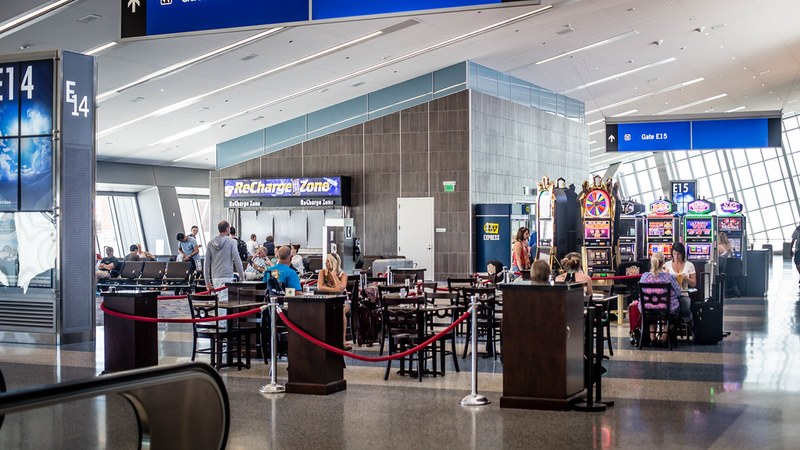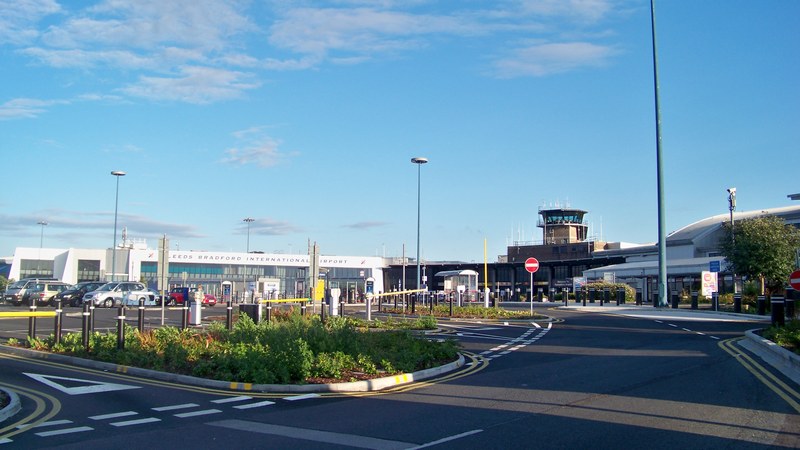
Severe storms sweeping the US East Coast over recent days triggered a sharp spike in flight cancellations and delays at major airports including Boston Logan Airport, New York’s LaGuardia and Newark Liberty airports, Philadelphia Airport, and Charlotte Airport. Strong thunderstorm systems and torrential rain caused airlines to cancel dozens of departures and delay hundreds of flights during the busy summer travel peak.
Storm Impact on Air Traffic Operations
East Coast thunderstorms forced ground stops and traffic management programs that sharply reduced arrival and departure capacity at key hubs from New England through the Mid-Atlantic region. Air traffic control had to meter traffic more aggressively amid severe
weather, restricting operations in some of the country’s most complex airspace. Operational pressures from high summer passenger volumes and lean staffing amplified disruption impacts. Additionally, crew duty time limits were reached as crews waited through extended delays, causing further cancellations even after storm cells passed.
Effects on Passengers and Connections
Passengers faced multiple hours of tarmac holds, rolling departure times, and last-minute cancellations triggered by lightning, heavy rain, and low visibility. Missed connections were frequent during late afternoon and early evening thunderstorms, worsening rebooking difficulties. Travelers encountered crowded terminals, long lines at customer service desks, and overwhelmed call centers. Limited same-day rebooking options often forced
passengers into overnight stays or acceptance of multi-stop itineraries.
Airline Adjustment and Mitigation Measures
Carriers increasingly offered flexible travel waivers during forecasts of severe storms along the Eastern Seaboard, allowing travelers to move trips without change fees. Airlines sometimes preemptively consolidated or reduced flights ahead of forecast storms at these hubs to improve operational reliability and ease congestion at Boston Logan, New York airports, Philadelphia, and Charlotte.
Nationwide Ripple Effects of Hub Disruptions
Flight disruptions originating at East Coast hubs propagate nationally due to interconnected hub-and-spoke networks. Cancellations and crew shortages starting at Boston Logan, New York’s airports, Philadelphia, and Charlotte triggered delays affecting routes across the Midwest, South, and West
Coast. This pattern of weather-driven disruption follows several powerful winter and summer storm events throughout 2026 that strained U.S. air travel.