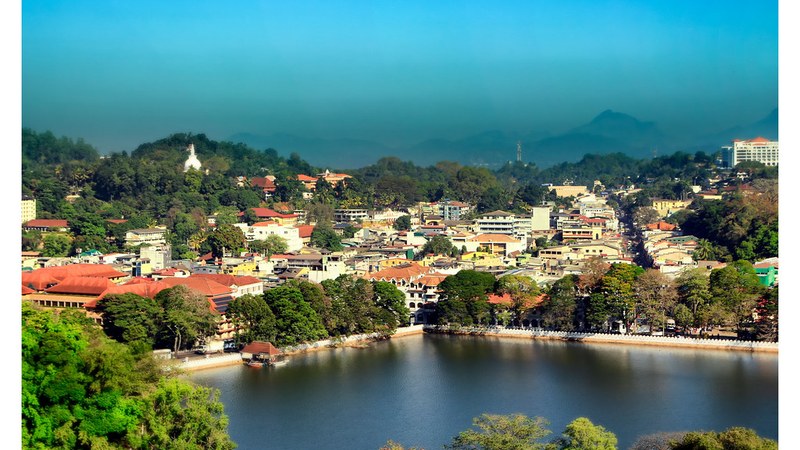
The Government of Sri Lanka announced an ambitious National Tourism Vision aiming to attract five million tourist arrivals, establish a tourism workforce of 800,000 people, and generate USD 10 billion in tourism revenue by 2030. These goals were presented by Prime Minister Dr. Harini Amarasuriya during the 45th Graduation Ceremony of the Sri Lanka Institute of Tourism and Hotel Management (SLITHM) on 31 July 2026 at the Bandaranaike Memorial International Conference Hall (BMICH).
Recent Tourism Performance Metrics
In 2025, Sri Lanka’s tourism sector generated approximately USD 3.2 billion in revenue. Tourist arrivals for the first seven months of 2026 exceeded 1.3 million visitors. Employment
tied to tourism, encompassing both direct and indirect jobs, has surpassed 429,000, reflecting the sector’s critical role in supporting communities and families across the country.
Role of SLITHM in Tourism Workforce Development
Founded by the Government of Sri Lanka in 1964 as the Ceylon Hotel School, the Sri Lanka Institute of Tourism and Hotel Management has operated for more than sixty years to train skilled professionals in the tourism and hotel management fields. SLITHM has been integral in building competent personnel recognized within Sri Lanka and internationally.
Workforce Quality, Inclusion, and Gender Equality Emphasis
Prime Minister Dr. Harini Amarasuriya emphasized that meeting the nation’s tourism objectives requires a workforce beyond technical capability, calling for
professionals committed to environmental responsibility, ethical standards, adaptability, and quality service delivery. She acknowledged SLITHM’s initiatives promoting the inclusion of persons with disabilities in the tourism sector, marking progress towards equity and accessibility. The Prime Minister also highlighted the government’s focus on creating safe workplaces and advancing gender equality by encouraging women’s consistent participation in the tourism industry.
Tourism Sector Resilience and Leadership Presence
Despite challenges including the impact of Cyclone Ditwah, Sri Lanka’s tourism industry rebounded significantly by 2026, transforming from a crisis-affected sector into a key component of the country’s economic revival. The graduation event included the presence of Deputy Minister of Tourism Prof.
Ruwan Ranasinghe, Secretary to the Ministry of Tourism Dheera Hettiarachchi, Chairman of SLITHM Wasantha Manthripala, and the CEO/Director General of SLITHM, along with other dignitaries and SLITHM academic staff.