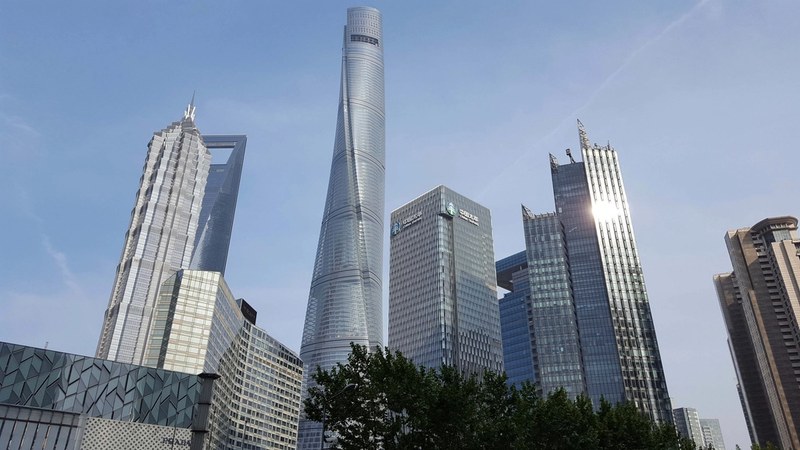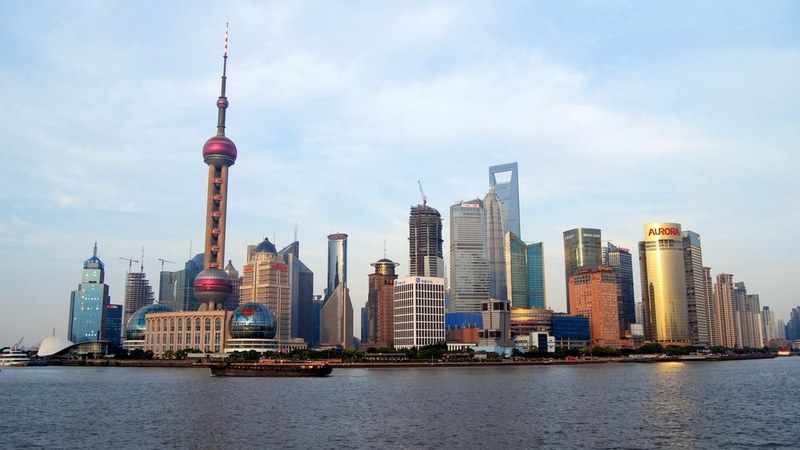
Shanghai municipal government released its 15th Five-Year Plan focusing on innovative urban tourism development from 2026. The plan targets over 900 billion yuan in annual tourism revenue, more than 10 million inbound visitors annually, and tourism value-added contributing 5 percent to local GDP by 2030.
During the 14th Five-Year Plan period (2021-2025), Shanghai recorded 425 million tourist arrivals and tourism revenue of 672.365 billion yuan in 2025. From 2020 to 2025, the city posted an average annual growth rate of 12.39 percent in tourist arrivals and 16.45 percent in tourism revenue, making it a leading inbound tourism gateway in China.
In 2025, Shanghai hosted 61,400 commercial performances, twice the number from 2020. Over 1,500 cultural and art exhibitions attracted more than 50 million visitors, with over 60 percent traveling from other provinces, reflecting deepening cultural-tourism integration.
Spatial Development of Tourism Belt
The plan includes constructing a world-class riverside tourism belt along the Huangpu River and Suzhou Creek. This belt will feature seven distinct waterfront zones, such as the Bund, Xuhui West Bund, and Expo area. Efforts will upgrade these waterfronts from single sightseeing locations to multi-experience urban destinations. Downtown cultural clusters will also be optimized.
Suburban themed tourism belts will cover areas like auto culture,
ancient town wellness, and industrial heritage. By 2030, Shanghai aims to develop 100 key rural tourism villages and 100 community attractions at or above the municipal level.
Integration and Diversification of Tourism
Shanghai plans to deepen coordination among culture, commerce, tourism, sports, and exhibitions. Industrial tourism will focus on smart manufacturing and mega infrastructure to provide immersive visitor experiences. Rural tourism will encourage overnight stays by developing micro-resorts, shifting from a day-trip model.
Urban parks will focus on quality improvements, including open perimeters and integrated programs in culture, sports, and arts to increase consumption.
Zhao Yong, director of the Shanghai Administration of Culture and Tourism,
emphasized continuing tourism innovation with diverse, personalized, and high-quality offerings aimed at enhancing connections for both visitors and residents with the city.