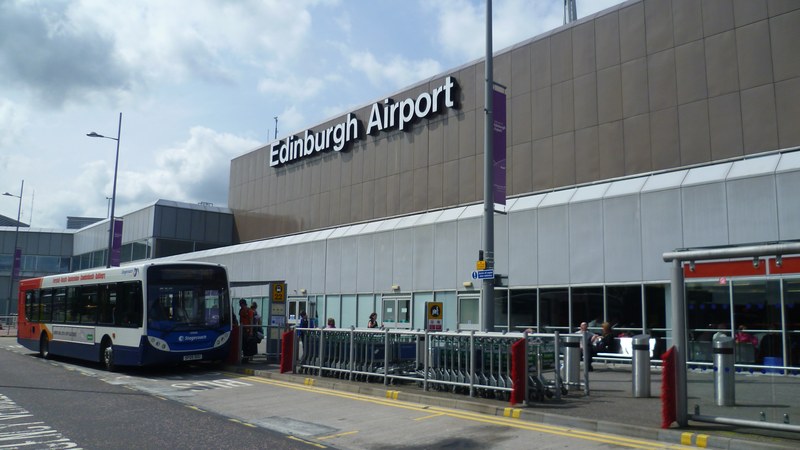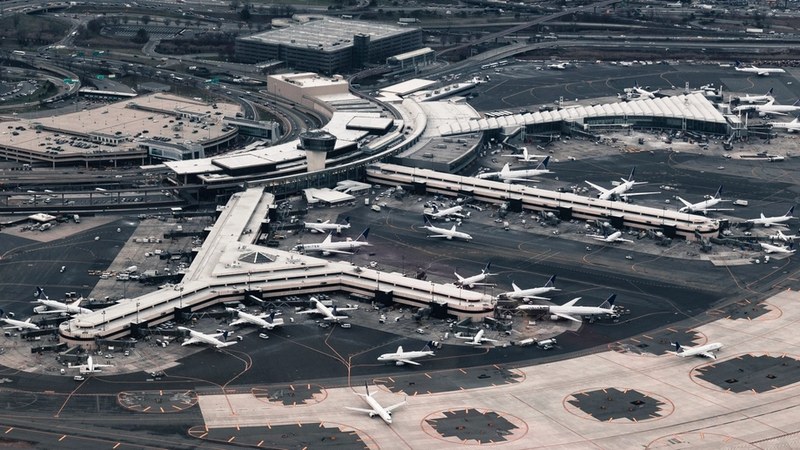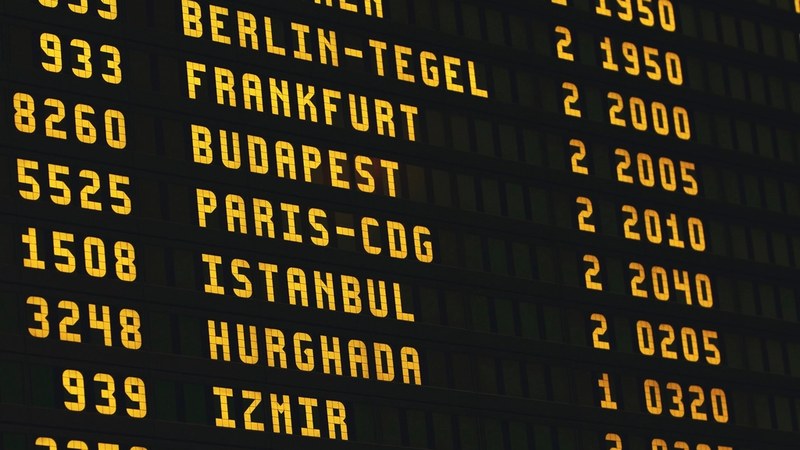
The European Union’s biometric Entry/Exit System (EES) has reached full deployment at airports and border crossings serving the external Schengen area as of spring 2026. The system, introduced in October 2025, covers 29 participating European countries, replacing manual passport stamping with digital recording of travelers’ personal data and biometric identifiers.
EES Replaces Manual Passport Stamping with Biometric Data Collection
EES requires non-EU nationals to submit biometric data, including facial images and fingerprints, during border crossings. This data is digitally logged to track entry and exit times and locations, aiming to improve security and automate overstay monitoring. The transition began with airports, land, and sea crossing points progressively activating the
system in a phased rollout designed for full operational status by spring 2026.
Biometric Checks Lengthen Queues and Processing Times at Airports
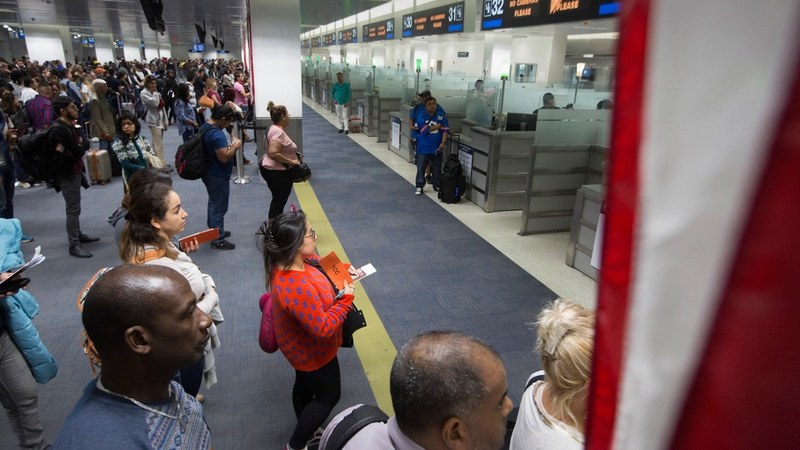
Since the biometric component became mandatory in early 2026, travelers report waits of up to two hours at passport control in busy Schengen airports. These delays affect especially first-time registrants who must provide a full set of biometrics. Concurrent use of manual passport stamping alongside EES at some locations duplicates processing, further contributing to bottlenecks. The varied staffing levels, infrastructure constraints, and occasional technical glitches exacerbate these issues.
Industry Warnings and Passenger Reports Highlight Operational Challenges
European aviation authorities and airline associations have cautioned about the risk of queues stretching for several hours during peak
summer travel if full biometric registration is enforced for all travelers. Social media and traveler forums contain multiple accounts of extended wait times at arrival controls and missed onward connections. Industry groups assert that border control resources and kiosk availability have not matched the increased demands from biometric processing. The European Parliament has noted that member states can temporarily scale back biometric enrollment in times of acute congestion to reduce wait times.
Long Queues and Delays at Land Borders, Especially Croatia–Serbia
At land crossings, the EES has caused several kilometers of queues and many-hour waits, particularly at the Croatia–Serbia border during the late July and early August 2026 holiday
peak. Processing delays arise from a combination of biometric registration, passport checks, and customs controls at these posts. Distinct logistical factors such as unpredictable vehicle arrival patterns and ongoing infrastructure upgrades further challenge flow management at land borders.
Travel Guidance and Industry Calls to Manage Congestion
Governments and travel organizations advise travelers to arrive earlier and allow more time for border checks at airports and land crossings due to EES. Airlines and airports are providing passengers with information on biometric procedures and kiosk locations. Industry bodies have urged European institutions and national authorities to utilise flexibility mechanisms within the EES system to ease congestion by temporarily limiting biometric
data capture during peak periods. The biometric system is expected to speed repeat crossings once travelers are enrolled, but the initial full-scale deployment is currently generating significant processing delays across Schengen external borders.