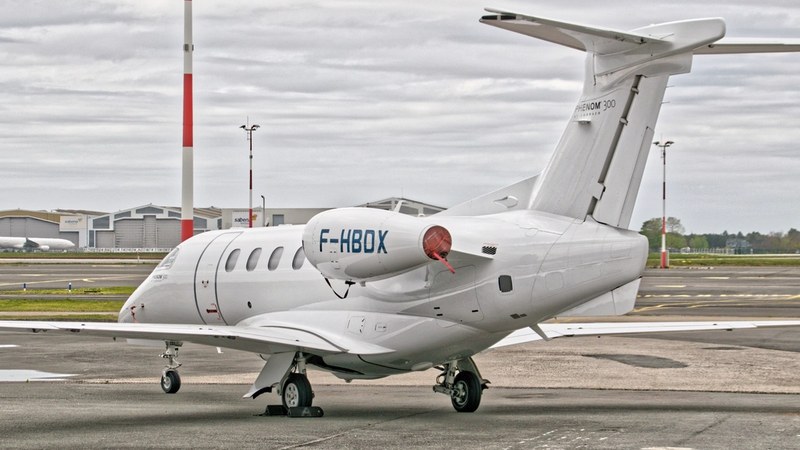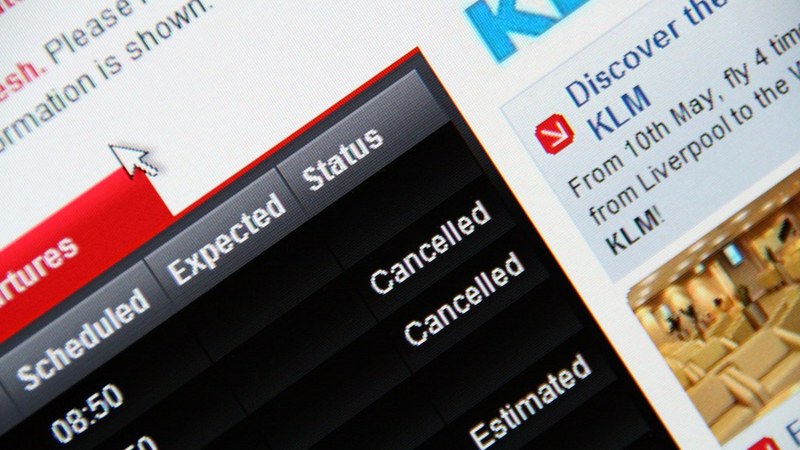
The strike by approximately 4,400 WestJet flight attendants represented by CUPE Local 8125 began early Sunday morning, August 2, 2026, grounding about 600 WestJet flights at the outset. By August 4, over 300 WestJet flights were officially cancelled nationwide, severely disrupting air travel across Canada during the busy summer long weekend.
Flight Disruptions and Airport Impact
At Vancouver International Airport (YVR), 88 WestJet mainline flights were cancelled, representing roughly 10% of the airport’s scheduled daily operations. Mainline WestJet flights across other Canadian airports faced similar large-scale cancellations. However, WestJet Encore flights operated with Q400 turboprops continue regular operations since they are covered by a separate
union agreement.
Passenger Rebooking and Service Challenges
Passengers have encountered extreme difficulty rebooking or obtaining refunds, with customer service phone wait times reportedly ranging from over six hours up to 19 hours in some cases, such as for the Phenix family of Okotoks, Alberta. Thousands of WestJet guests, estimated near 250,000 for the August long weekend, have been directly affected by cancellations. Passengers are legally entitled to free rebooking on WestJet or competitor airlines within 48 hours or a full refund. However, those changing or cancelling their own bookings prior to official airline cancellations risk forfeiting those protections.
Passengers who booked through third-party platforms are
advised to contact those providers for assistance, as WestJet communications are sent only to those who booked directly with the airline. Some travelers have been forced to purchase alternate tickets independently and seek reimbursement post-travel due to lengthy delays.
Labour Dispute Background and Offer Details
The strike followed a 99.4% strike vote among WestJet flight attendants after contract talks stalled over wages, working conditions, and pay for unpaid ground duties. WestJet offered a comprehensive proposal including a 13% wage increase starting October 1, 2026, annual 2.5% raises from 2027 through 2029, and retroactive pay to January 1, 2026. Additional terms included a 12% pay premium for
all hours worked, a $300 annual healthcare spending account, a 13% initial meal allowance increase plus annual scaling, extended vacation after 25 years of service, a 17-week maternity leave top-up, and flexible part-time options.
WestJet CEO Alexis von Hoensbroech expressed disappointment at the ongoing strike, reiterating the airline’s offer set a new Canadian standard for flight attendants but was rejected by the union. CUPE Local 8125 president Alia Hussain stated, “We are on strike because we believe we deserve better.” Federal Jobs Minister Patti Hajdu called the strike a “disappointing development” and urged continued negotiations.
Passenger Protections and Legal Framework
The strike is classified as
outside the airline’s control under Canada’s Air Passenger Protection Regulations (APPR), limiting monetary compensation for inconvenience. Passengers retain rights to free rebooking on the next available flight within 48 hours or full refunds. If WestJet cannot provide rebooking, it must purchase seats on competitor airlines at equivalent or better service class. Cancellation or change of bookings by passengers before official airline cancellation invalidates these rights.
Passengers on international routes involving the US or Europe may have additional protections under the Montreal Convention, covering out-of-pocket expenses up to approximately CAD 12,000 per passenger. WestJet has been instructed to honor legitimate costs
such as hotels, meals, and lost wages with no unlawful caps.