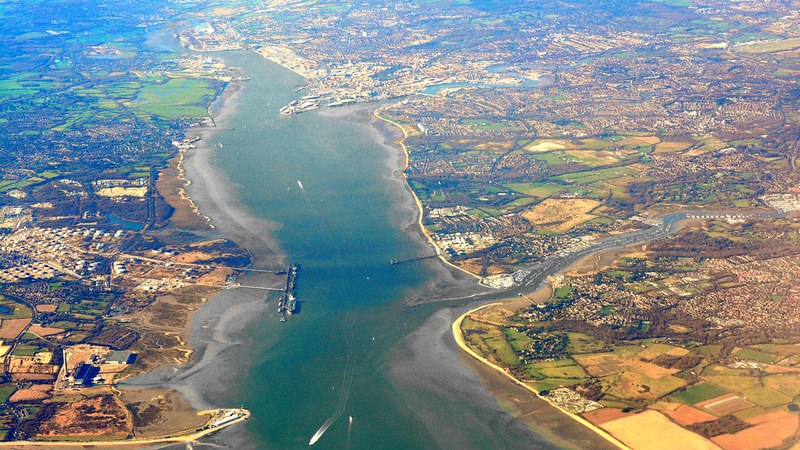
Water levels on Europe’s Danube and Rhine rivers reached near-record lows in July 2026, disrupting river cruise operations along key routes. In Romania, Danube water levels hit their lowest point since 1996, while the Rhine’s depth fell to 53 centimeters near Frankfurt last week.
Impact of Low Water on Cruise Navigation
The drought and prolonged heatwaves have severely reduced river depths, preventing cruise ships from docking at scheduled ports and hindering navigation. Around Budapest, Danube water levels approached historic lows, complicating docking conditions for multiple cruise operators. Similar conditions have affected the Rhine, limiting vessel access to ports like Frankfurt.
Operational Adjustments by Cruise Lines
Uniworld, Viking, and TravelMarvel have modified embarkation
points, rerouted sailings, or canceled certain segments to cope with shallow waters. On Uniworld’s SS Emilie Danube cruise from Vienna to Nuremberg, the ship was forced to stop at Vilshofen instead of Deggendorf, Regensburg, and Nuremberg due to low water levels. A replacement stop in Linz was added. Viking responded to low Rhine water near Koblenz by arranging a ship swap involving a 24-hour stay in Koblenz and a five-hour bus transfer to Strasbourg to board another vessel.
Passenger Experiences and Compensation
Passengers on the SS Emilie experienced missed port calls and extended bus excursions to Bavarian Forest and Regensburg from Vilshofen. Full-day bus
excursions included a €30 contribution toward lunch since onboard dining was unavailable during the tours. Passengers who planned to fly from Nuremberg disembarked early at Vilshofen, were accommodated in a hotel, received €50 for dinner, and were provided airport transfers the following day. Some clients had to board cruises approximately 60 miles away from Budapest, leading to bus transfers for city excursions. Cruise Critic executive editor and passenger Chris Gray Faust noted the inconvenience of consecutive bus trips without alternative onboard activities.
Cruise Lines’ Strategies to Minimize Disruption
Uniworld emphasized coordination with local authorities to adapt itineraries, with operations continuing on unaffected rivers such as those
in France, Italy, and Portugal. Viking deploys sister ships on opposite itinerary directions to enable ship swaps when water levels restrict navigation. Riviera Travel indicated cancellations are a last resort, with staff providing daily updates and additional support onboard. Guests have begun itineraries from higher-water ports near Budapest or started with hotel stays plus coach transfers to ships. The cruise lines aim to keep cancellations minimal by using reroutes, ship swaps, and itinerary modifications.
Expert Advice and Insurance Considerations
TravelMarvel’s managing director Paul Melinis advised travelers to maintain close contact with cruise operators or travel agents due to variable river conditions. Chris Pitchford of World
of Cruising described 2026 as a worse-than-usual year for low water impacts but noted cancellations have been limited. Insurance platform Squaremouth’s Jacqueline Mondelli recommended cruise-specific insurance plans, which cover disruptions related to insufficient water levels, offering more protection than standard travel policies, especially for prepaid activities or missed flights tied to river conditions.
Seasonal Context of River Water Levels
European river cruises regularly face fluctuating water levels, with summer lows and spring highs expected annually. However, the 2026 heatwave has intensified low water challenges, complicating navigation on major waterways like the Danube and Rhine. Operators with decades of experience are adjusting operations amid these exceptional conditions
to manage passenger itineraries while minimizing cancellations.