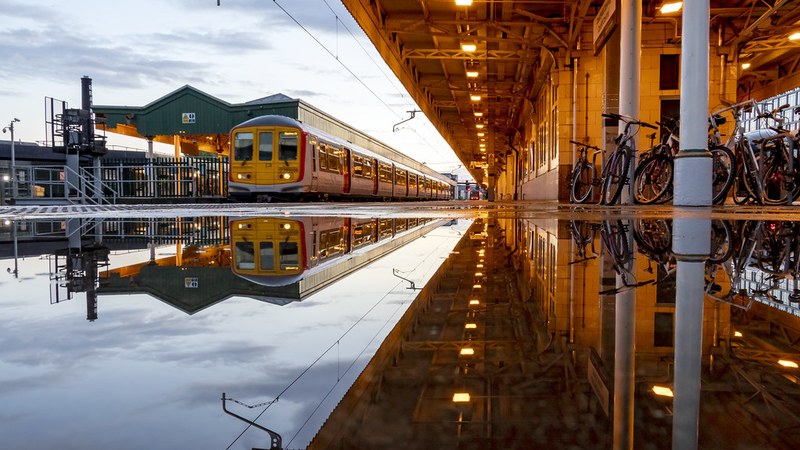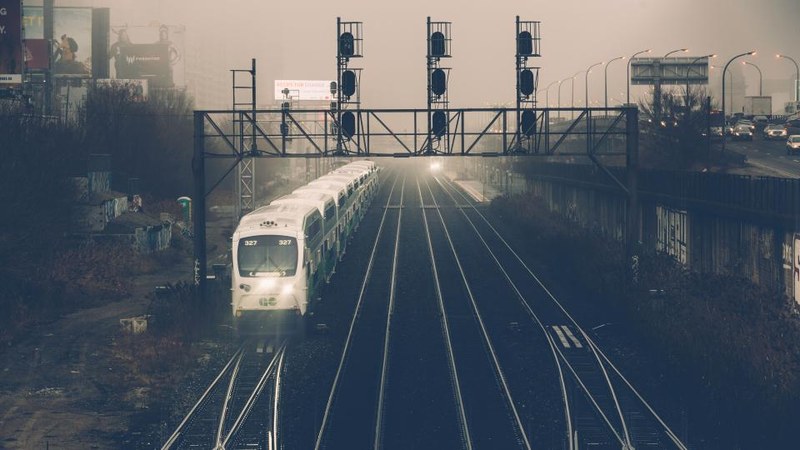
Rail operators across England have been forced to slow train speeds and modify timetables following soil shrinkage under tracks caused by a prolonged heatwave and drought. Clay embankments supporting railway lines are drying and shrinking, causing track misalignment that risks operational safety.
Reduced Services on South Western Railway’s West of England Line
Starting Monday 10 August 2026, South Western Railway (SWR) will implement timetable changes and speed restrictions on the route between Yeovil and Exeter St Davids. Train frequency on this line will be limited to one service every two hours. Passengers traveling between London Waterloo and Exeter should expect journey times to increase by up to 27 minutes during
this period.
Other Operators and Routes Affected from Early August
Late-night speed restrictions and timetable modifications began from 3 August 2026 around eastern England due to similar ground issues. Great Northern is adjusting services to and from King’s Lynn in Norfolk. Greater Anglia will alter evening services in Essex, including introduction of rail replacement buses. The c2c line has scheduled changes to some late services to Shoeburyness. The eastern part of the Elizabeth line, specifically between Gidea Park and Shenfield, will see reduced service between 11 pm and midnight on certain dates.
Soil Moisture Deficit Disrupts Track Geometry
The persistent drought, compounded by the UK’s fourth heatwave of the year, has caused a soil
moisture deficit (SMD) in clay embankments beneath railway tracks. Clay soils, normally retaining substantial moisture, have shrunk as water content has dropped. This shrinkage disturbs track geometry by causing sleepers to sink or shift out of position. Even minor shifts require trains to reduce their speeds to maintain safety.
Network Rail’s Maintenance Response and Infrastructure Investment
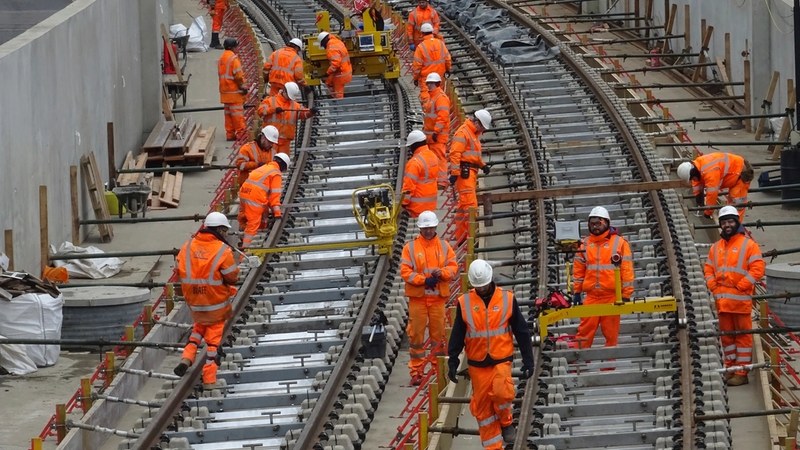
Network Rail engineers address these issues by using tampers to lift and realign tracks, inserting stone ballast to stabilize the track base. In 2025, such tamping work treated approximately 62 miles (100 km) of track on Anglia routes. Ahead of and during summer 2026, about 49,000 tonnes of ballast are planned
to be laid to mitigate heatwave impacts and maintain track stability.
Management Statements and Safety Prioritisation
Lawrence Bowman, managing director of South Western Railway and Network Rail Wessex, acknowledged that consecutive years of prolonged hot, dry weather have affected railway infrastructure. Bowman said investments and extensive repairs since last summer have strengthened routes and allowed reduction of journey time impacts by approximately 30 minutes compared to the previous year. Network Rail has stated that speed restrictions and timetable adjustments will continue until ground conditions have sufficiently recovered.
Impact on Passengers
Passengers on affected routes should anticipate slower services and altered timetables. South Western Railway’s reduced frequency on the
West of England line will limit trains between Yeovil and Exeter St Davids to once every two hours. Travelers between London Waterloo and Exeter should allow up to 27 minutes additional journey time during the restrictions.