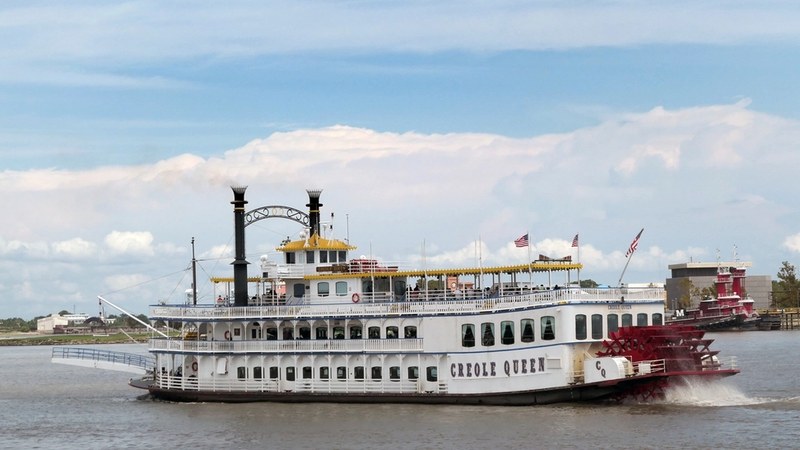
European river cruises in July 2026 have encountered operational disruptions due to a heatwave combined with historically low water levels affecting the Danube, Rhine, and Main rivers. These conditions have forced cancellations and adjustments on key itineraries spanning Hungary, Austria, Germany, and neighboring countries.
Affected Rivers and Navigation Challenges
The Danube River sections in Hungary and adjacent countries have dropped to within centimeters of historic low levels. Navigation difficulties persist particularly near Budapest as well as between Regensburg and Passau in Germany. Sections of the Rhine and Main rivers also face restricted navigation, although the situation varies by location and can change with incoming rainfall.
Operator Responses and Cruise Adjustments
Leading European river cruise companies including Scenic Group, Avalon Waterways, Viking Cruises, and AmaWaterways are actively monitoring water levels on a daily basis. Operators adjust schedules, reroute passengers to sister ships, or alter embarkation and disembarkation ports to maintain itinerary continuity.
Avalon Waterways canceled a handful of July departures on the Danube after the Avalon Impression was unable to reach its embarkation point due to extremely low water. The company works closely with affected guests to offer alternative arrangements, emphasizing its “long history of making every effort to keep cruise itineraries intact.”
Specific Company Actions and Routes
Scenic Group has reported navigation restrictions impacting the
upper Danube near Budapest, between Regensburg and Passau, and on stretches of the Rhine and Main rivers. Viking Cruises and AmaWaterways have similarly modified itineraries and relocated passengers through hotel stays and coach transfers where necessary.
Other European waterways such as France’s Rhône and Seine rivers, Portugal’s Douro, and rivers in the Netherlands and Belgium continue to operate under normal conditions.
Traveler Impact and Excursion Modifications
Passengers on affected cruises face itinerary changes ranging from altered ports to ship swaps, with some experiencing cancellations limited to a small number of departures. Excursions are rescheduled to earlier morning hours to avoid afternoon heat, frequently between 35°C
and 40°C from Passau through Vienna to Budapest.
Walking tours have been shortened and adjusted to include more indoor visits such as cathedrals and museums. Cruise directors offer bottled water and emphasize sun protection, hydration, and rest. Air-conditioned cabins and lounges onboard provide relief from high temperatures.
Industry Adaptations and Resilience
European river cruise operators have invested extensively in shallow-draft vessels and contingency measures over the past decade to improve operational flexibility during low-water events. Modern ships from companies including AmaWaterways, Avalon Waterways, Scenic, Viking, Uniworld, and APT can navigate reduced river depths better than previous generations.
Contingency plans include luxury coach transfers substituting
navigation on unnavigable river stretches and ship repositioning to maintain most of the holiday experience. These adaptations have made disruptions less frequent and more manageable.
Weather Forecast and Outlook
Rainfall is forecast across parts of Central Europe, which may help raise river levels after the prolonged drought and heatwave that accelerated evaporation and reduced river flow. Thunderstorms expected between 31 July and 4 August on the Upper and Middle Rhine are predicted to be scattered rather than sustained, limiting immediate relief on critical navigation corridors.
Despite current challenges, the European river cruise industry continues operating successfully for the majority of passengers, with vessel designs
and operational flexibility illustrating climate adaptation in response to increasingly hot summers.