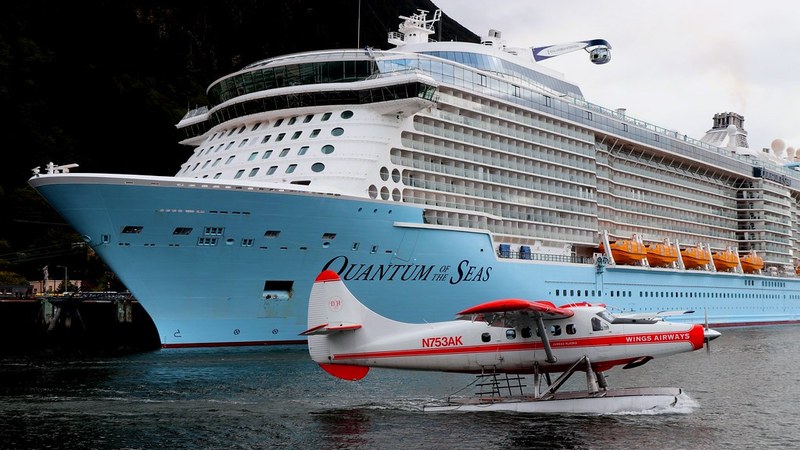
Holland America Line has overbooked cabins on the July 22, 2026 Alaska cruise aboard Zaandam and is offering affected passengers a full refund plus a future cruise credit of equal value to voluntarily skip the sailing. This offer applies on a first-come, first-served basis and includes refunds for cruise fare, taxes, fees, and pre-purchased amenities such as beverage packages and excursions, according to Cruise Mummy.
Zaandam is a 61,396-tonne R-class vessel built in 2000 by Fincantieri’s Marghera shipyard in Italy. It accommodates 1,432 passengers at double occupancy and up to 1,916 at maximum capacity, spanning 10 passenger decks. The ship
recently underwent refurbishment enhancing public areas, staterooms, and dining venues, boosting its popularity and contributing to the current overbooking for the summer Alaska season.
Industry Overbooking Practices and Alaska Demand
Overbooking is standard in cruises to maximize revenue and offset expected cancellations through statistical booking models. Improved booking confidence and attractive itineraries have lowered cancellation rates for Alaska cruises, leading to more passengers than available cabins. The July 22 sailing lies within peak Alaska season, known for optimal wildlife viewing, weather, and daylight, further driving high demand.
Holland America Line has sailed to Alaska for over 75 years and maintains a strong market position, offering proprietary
wilderness lodges and motorcoaches through its Alaska tours program. Royal Caribbean International has faced similar overbooking challenges, issuing comparable compensation packages.
Passenger Compensation and Impact
Passengers who accept the voluntary skip offer receive a 100% refund including all paid items plus a future cruise credit matching the refunded amount, usable on any voyage within a specified timeframe. This effectively grants a complimentary cruise to those willing to change plans. Passengers who delay acceptance risk being excluded if sufficient volunteers come forward, leaving them booked on the oversold sailing without compensation.
Holland America typically reimburses reasonable expenses for non-refundable airfare, hotels, or shore excursions incurred
due to its cancellations, although travel insurance rarely covers losses from operational issues like overbooking. Those involuntarily denied boarding generally qualify for more substantial compensation than volunteers.
Operational Challenges and Market Position
Cruise lines manage overbooking differently from airlines as weekly itineraries and varied port calls limit immediate re-accommodation options. Holland America’s early offer of full refund plus equal-value future cruise credit aims to reduce the need for involuntary denied boarding and negative publicity. The cruise line will investigate if overbooking stemmed from booking system errors or unusually low cancellation rates.
Zaandam’s history includes notable service on routes such as the Panama Canal and Alaska,
and it faced operational challenges during the COVID-19 pandemic when stranded at sea. Its refurbishment and revived market demand suggest sustained confidence in the vessel’s ability to meet passenger expectations on premium Alaska itineraries.
Alaska Cruise Market Context
Alaska attracts over one million cruise passengers annually between May and September, making it a globally competitive destination. Peak summer weeks in July command premium prices, coinciding with school holidays and favorable conditions. Holland America operates more ships in Alaska than many competitors and complements its cruises with exclusive land-tour infrastructure, reinforcing its market dominance.
The overbooking on Zaandam’s July 22, 2026 departure reflects these strong
market pressures, compelling the line to provide generous compensation to manage cabin demand efficiently while preserving passenger satisfaction.