On July 22, 2026, Hungary’s government revealed a national railway investment plan valued at 3.55 trillion HUF (€9.76 billion), scheduled for delivery by 2035. The initiative, dubbed the Gábor Baross Railway Development Plan, covers urban and main line rail infrastructure and rolling stock upgrades.
Scope of Projects and Rolling Stock Procurement
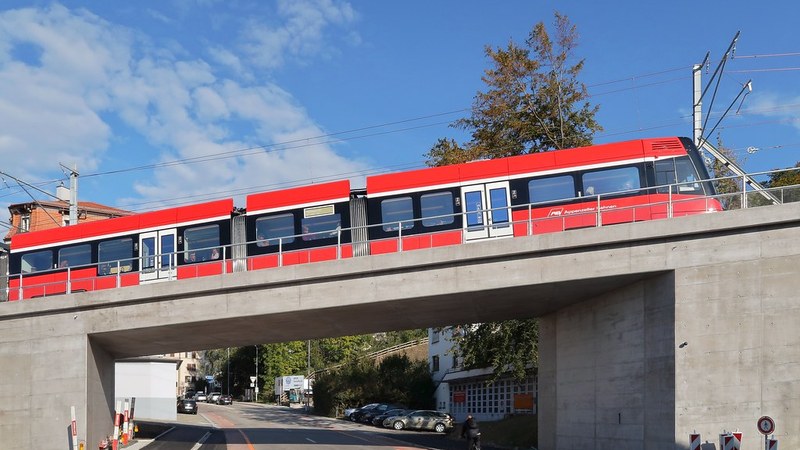
The plan includes a two-station northern extension of Budapest’s metro Line M3 to Rákospalota-Újpest by 2030. It also features the procurement of 35 double-deck electric multiple units (EMUs) for inter-city routes and 42 EMUs to replace aging suburban stock on the H5, H6, and H7 HÉV lines around Budapest. Further rail innovation involves acquiring battery-electric multiple
units (BEMUs) and charging infrastructure, earmarked with 95 billion HUF to serve lines including Debrecen – Füzesabony and Sárbogárd – Szekszárd – Baja.
Infrastructure Upgrades and Network Modernisation
Infrastructure renewals encompass station modernisations, such as rebuilding Rákospalota-Újpest and upgrades on Budapest – Lajosmizse – Kecskemét and Budapest – Veresegyház – Vác suburban lines. The Southern Circle railway project in Budapest will complete its third stage, adding a flyover at Ferencváros yards and a new passenger station at Népliget with connections to metro Line M3. Déli pályaudvar terminus and the Kelenföld tunnel will be modernised to accommodate new double-deck trains.
Outside Budapest, major upgrades to the
Debrecen – Nyíregyháza main line will allow 160 km/h operation and include two new stations in Debrecen. Tram-train development projects will extend Debrecen’s tram Route 1 and create a tram-train link from Kazincbarcika to Tiszaújváros via Miskolc. Suburban rail operations are also planned for Győr and Eger.
Political and Funding Context
The plan follows a political agreement signed on May 29, 2026, between Hungarian Prime Minister Péter Magyar and European Commission President Ursula von der Leyen, enabling EU funding subject to reforms and governance commitments by August 31, 2026. The Hungarian Ministry of Transport and Investment announced early priorities including forming a national transport
authority and launching digitalisation and passenger information modernisation programmes. The government confirmed that the financing structure is approved and contingent on EU fund disbursement.
Travel Impact and Operational Challenges
Passengers will benefit from expanded metro access with the Line M3 extension and improved suburban rail services via new and modernised EMU fleets. Battery-electric trains will support electrification of key regional lines lacking overhead wires. Station and interchange enhancements at Népliget and Rákospalota-Újpest will facilitate transfers.
The Budapest – Beograd main line’s signalling system, installed by China Railway Signal & Communication, is delayed amid certification issues. The notified body TÜV’s safety approval is anticipated to enable
full revenue service potentially starting September 2026.
The average age of MÁV Személyszállítási Zrt’s rolling stock currently stands at 43 years, highlighting the urgency behind the planned fleet renewal under this comprehensive investment.