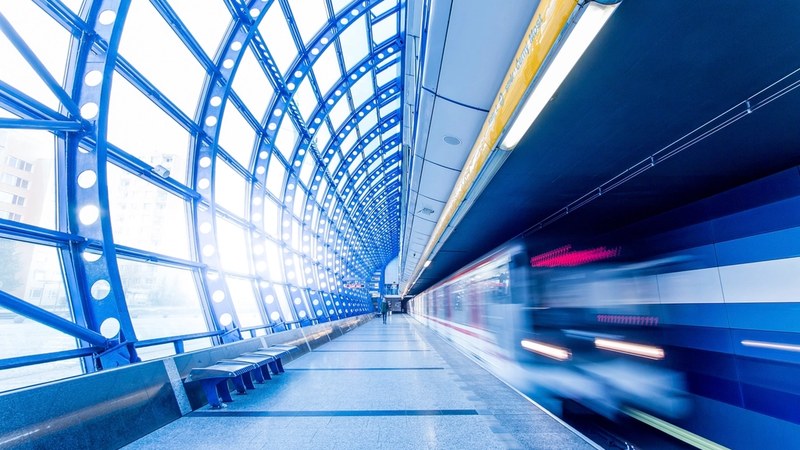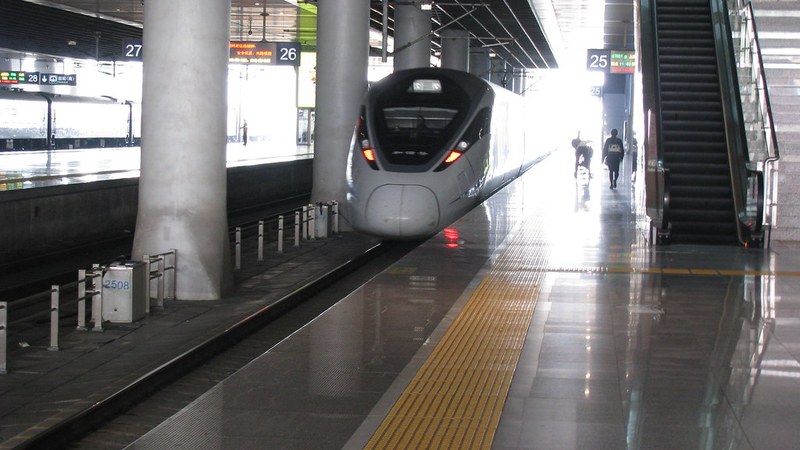
India and Japan continue collaborative efforts on the Mumbai-Ahmedabad High-Speed Rail Corridor, aiming for commercial operations starting in August 2027 using domestically manufactured bullet trains and a globally interoperable signalling system.
Construction and Operational Timeline
Construction on the corridor began in 2021, focusing initially on the 97-km Surat-Vapi segment, with civil works expected to be completed by the end of 2026. Trials of the indigenous bullet trains are scheduled to start by mid-2027, setting the stage for the commencement of commercial services later that year.
Indigenous Trainsets and Manufacturing
Integral Coach Factory (ICF) in Chennai awarded BEML Limited a contract worth Rs 866.87 crore to design, manufacture, and
commission two prototype eight-coach bullet trainsets. BEML established the ‘Aditya’ High-Speed Rail Complex in Bengaluru dedicated to producing these trains, the first to be developed indigenously in India. The trainsets will offer full air conditioning and enhanced passenger amenities, engineered to withstand India’s hot and dusty climate. Initial operating speeds are planned at 280 km/h, with potential upgrades to 350 km/h.
Signalling System and Technical Collaboration
India and Japan jointly decided to adopt an open-source signalling system for the corridor, moving away from Japan’s proprietary DS-ATC technology. This decision followed comprehensive technical and commercial evaluations and aligns with globally interoperable standards. Since 2021, Japanese experts
from the Japan Ministry of Land, Infrastructure, Transport and Tourism have provided technical oversight on design approvals, engineering standards, construction techniques, safety, and quality assurance. The shift to indigenous trains and signalling arose partly because Japanese suppliers could not meet the corridor’s 2027 operational timeline.
Financial and Official Aspects
The Japan International Cooperation Agency (JICA) funds the corridor through Official Development Assistance (ODA), with conditions supporting Japanese-approved suppliers. Project officials confirmed that Japanese technical cooperation remains integral, despite adaptations in procurement strategies. An unnamed senior official associated with the project said, “This is a flagship project for India and Japan. Both countries are working
on a common goal of commercial operations in 2027.” Indian officials explained the shift away from Japan’s proprietary signalling resulted from unavailable timely offers by Japanese suppliers. They also clarified that former Japanese law minister Hideki Makihara was not involved in official bilateral discussions, indicating his remarks reflected domestic political views.
Project Significance and Regional Impact
The Mumbai-Ahmedabad High-Speed Rail Corridor is modelled on Japanese Shinkansen safety and operational principles, representing one of the largest infrastructure partnerships between India and Japan. The corridor will connect Mumbai, Thane, Surat, and Ahmedabad, substantially reducing travel times and providing a safer, more reliable mode of transportation. Officials note
that the successful implementation of this corridor will lay the foundation for future nationwide bullet train projects and position India as an emerging player in global high-speed rail development.