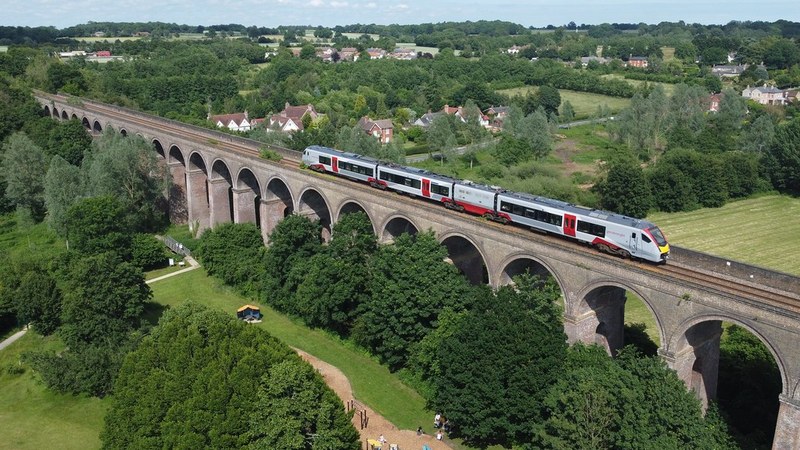
Extreme heat is causing major US rail operators to reduce train speeds to prevent track damage during a heatwave spanning the Midwest, Mid-Atlantic, and Northeast regions this week. Steel rails expand and buckle under high temperatures, creating thermal misalignments that can disrupt service and pose safety risks.
Speed Reductions and Operational Limits by Rail Operators
Southeastern Pennsylvania Transportation Authority (SEPTA) has implemented speed reductions of approximately 5 to 10 miles per hour across all Regional Rail trains, trolleys, and other rail modes in the Philadelphia area during excessive heat, according to a SEPTA spokesperson. The speed limitations aim to protect track integrity and reduce the likelihood of overhead
wire sagging.
Amtrak has warned customers that East Coast services in the Northeast may experience slowdowns and delays from Wednesday through Friday, 20 to 22 July 2026, due to the extreme heat forecasted by the National Weather Service. These precautions reduce the risk of track buckling caused by thermal expansion.
The Metropolitan Transportation Authority (MTA) in New York has capped Metro-North Railroad trains at a maximum speed of 70 miles per hour during the heat advisory period. This protocol applies to the New York City subway and Long Island Rail Road as well. An MTA spokesperson confirmed that speed reductions
are designed to maintain safety across multiple rail modes.
Impact on Travelers and Monitoring Measures
Travelers in the affected regions should expect slower train operations and possible minor delays during the heatwave. SEPTA noted that these measures can lead to slight schedule adjustments, although slowdowns on trolleys and Regional Rail remain manageable. Amtrak urges passengers to monitor train status closely for updates amid potential disruptions.
New York Governor Kathy Hochul announced that Long Island Rail Road and Metro-North Railroad crews have been strategically stationed at critical points to enable rapid response to heat-related rail issues. The railroads will also deploy heat patrols to actively monitor rail
temperatures and ensure prompt action if track conditions deteriorate.
Official Statements on Heatwave Precautions
Rod Doerr, Union Pacific’s chief safety officer, explained the dangers of extreme heat on steel rails: “When that steel has nowhere to go, it can push sideways and create what we call a thermal misalignment.” Union Pacific operates across the western two-thirds of the United States, where heat advisories have also been issued.
A SEPTA spokesperson said speed reductions are necessary “during excessive heat conditions when tracks are more susceptible to damage,” and that these restrictions help reduce overhead wire sagging, though the effect is not generally noticeable to customers. Amtrak
emphasized that these steps are intended to maintain safe and reliable operations during the heatwave.
MTA and Governor Hochul confirmed that crews are pre-positioned and equipped to address any heat-induced safety or maintenance challenges promptly to minimize disruptions.
Innovative Heat Mitigation: White Rail Paint and Heat Patrols
Union Pacific has introduced an innovative method to combat rail temperature increases by painting rails white in high-heat areas. This practice, begun last year, reflects solar rays and reduces rail temperatures by about 20 degrees Fahrenheit, significantly lowering thermal expansion stress.
The use of heat patrols and strategic crew deployment across New York State complements these efforts, improving the railroads’ ability to
quickly detect and mitigate heat-related damage.
Heatwave Context and Infrastructure Risks
The July 2026 heatwave affects large portions of the Midwest, Mid-Atlantic, and Northeast, with temperatures reaching the 90s and occasionally soaring into triple digits. This heat event follows a record-breaking wave in early July, increasing demand on rail infrastructure and prompting safety protocols nationwide.
Experts warn that extreme heat expands beyond rail lines, threatening other infrastructure including roads, bridges, and electrical grids. The World Meteorological Organization ranked 2025 among the warmest years on record, and ongoing climate trends predict more frequent, intense heatwaves that stress transportation networks and public health systems.