On July 17, 2026, Canadian air travel experienced substantial disruption with more than 100 flights cancelled and approximately 660 delayed across the country. The disturbances were concentrated mainly at the nation’s four busiest airports: Toronto Pearson, Vancouver International, Montreal–Trudeau, and Calgary International. High-frequency domestic routes such as Calgary–Toronto, Calgary–Vancouver, Toronto–Vancouver, and Toronto–Montreal were notably affected, with knock-on impacts on inbound flights to secondary cities like Edmonton, Halifax, Winnipeg, and Quebec City.
Airline Operations Impacted Across Multiple Hub Airports
Air Canada reported cancellations and prolonged delays across several domestic services linked to its hubs in Toronto, Montreal, Calgary, and Vancouver. Key Calgary routes to Vancouver and Toronto saw
frequent cancellations and rolling delays. WestJet, operating heavily from Calgary and Toronto, recorded delays exceeding one hour on some departures and a subset of cancellations, with disruptions at Calgary particularly affecting connections in Western Canada. Porter Airlines experienced delayed departures out of Toronto Pearson, impacting passengers connecting to Montreal, Ottawa, and regional destinations. Regional carriers servicing the four major hubs encountered rescheduling due to mainline cancellations, causing aircraft swaps and further delays.
System-Wide Constraints Behind Disruptions
The disruptions on July 17 reflected widespread strain within Canada’s aviation network during the summer peak. Structural factors included route reductions and reconfigurations prompted earlier in the year
by high fuel prices, which limited system spare capacity. Staffing shortages across crew, ground handling, and maintenance contributed to tight operational schedules that magnified delays and cancellations. Weather events, including summer thunderstorms near Toronto and Montreal and low visibility conditions at Vancouver, triggered air traffic flow control and temporary ground holds. These conditions, combined with global factors like jet fuel volatility and airline network changes, led to cascading operational challenges.
Passenger Experience: Extended Waits and Rebookings
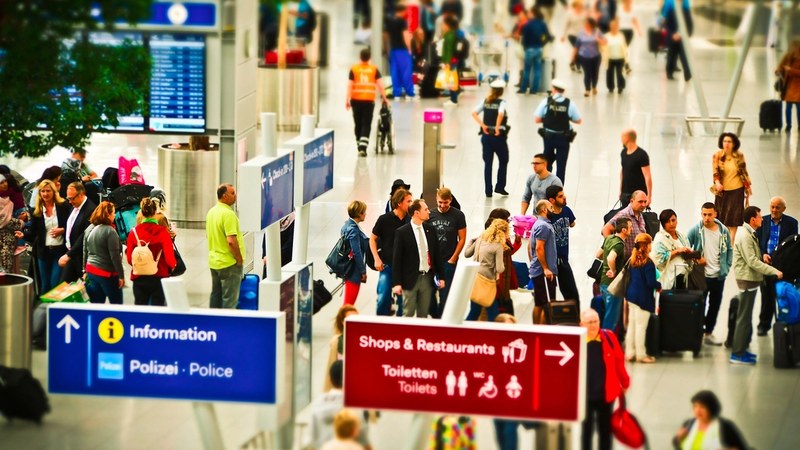
Longer passenger wait times were reported due to congested check-in lines, security queues, and crowded departure areas. Flight cancellations and delays strained connection windows on core corridors, forcing many travelers
to spend extended periods in airports awaiting alternate flights. Some passengers were rebooked via alternative hubs, such as routing through Calgary instead of Vancouver or using Montreal as a substitute for Toronto, adding complexity and travel time. Missed connections led to overnight stays and last-minute hotel bookings near major airports, particularly Toronto Pearson and Vancouver International.
Industry Context and Passenger Recommendations
The cancellation rate on July 17 significantly exceeded the low single-digit averages tracked in 2023 federal performance reports. This event is part of a series of high-impact disruption days raising concerns about Canadian air travel resilience. Passenger advocates suggest frequent flight status checks via
airline apps and allowance for longer connection times on multi-segment itineraries to cope with such disruptions. Awareness of Canadian air passenger protection regulations and airline policies on cancellations, delays, and missed connections is essential for understanding compensation and rebooking options during operational breakdowns.