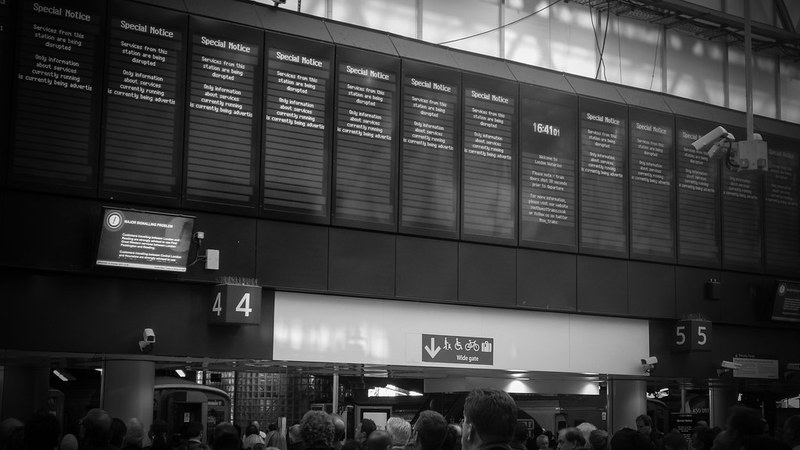
On July 17, 2026, over 100 flights were cancelled and approximately 660 were delayed across Canada. Major disruptions were concentrated at Toronto Pearson, Vancouver International, Montreal–Trudeau, and Calgary International airports, collectively Canada’s busiest hubs.
Air Canada, WestJet, Porter Airlines, and regional carriers were affected by the widespread schedule disruptions. Air Canada experienced multiple cancellations and extended delays on domestic routes connecting Toronto, Montreal, Calgary, and Vancouver. WestJet faced more than one-hour delays on some Calgary and Toronto departures alongside cancellations. Porter Airlines reported delayed departures from Toronto Pearson impacting flights to Montreal, Ottawa, and other regional destinations. Regional airlines feeding
into these hubs adjusted schedules due to mainline cancellations.
Significant delays and cancellations were reported on domestic corridors including Calgary to Toronto, Calgary to Vancouver, Toronto to Vancouver, and Toronto to Montreal. These routes are heavily trafficked for business and leisure travel, intensifying the impact on rebooking options and connection reliability. Toronto, Montreal, and Vancouver airports alone registered over 350 delays and 83 cancellations on the same day.
The disruptions stemmed from multiple factors. A severe heat wave placed strain on operations, compounded by summer thunderstorms near Toronto and Montreal causing flow control measures. At Vancouver International Airport, low visibility
triggered temporary ground holds. Airlines also faced staffing challenges for crew, ground handling, and maintenance, while previous route reductions due to elevated fuel prices lessened system flexibility. Tight scheduling resulted in cascading effects when early disruptions occurred.
Travelers encountered longer check-in lines, congested security, and extended waits within airport terminals. Many passengers awaited rebooking on later flights or alternative routings, sometimes via different hubs, adding connection time and complexity. Incoming travelers to secondary Canadian cities such as Edmonton and Halifax missed connections, often requiring overnight accommodations. Hotels near Toronto Pearson and Vancouver International saw increased demand from stranded passengers seeking
lodging.
This level of disruption exceeded typical federal cancellation rates from 2023, which generally remained in the low single digits. Aviation analysts note that peak summer periods frequently stress crew availability and ground operations. Consumer advocates recommend allowing extra connection time and monitoring flight status regularly. Canadian air passenger protection regulations remain applicable for compensation and rebooking processes during such events.