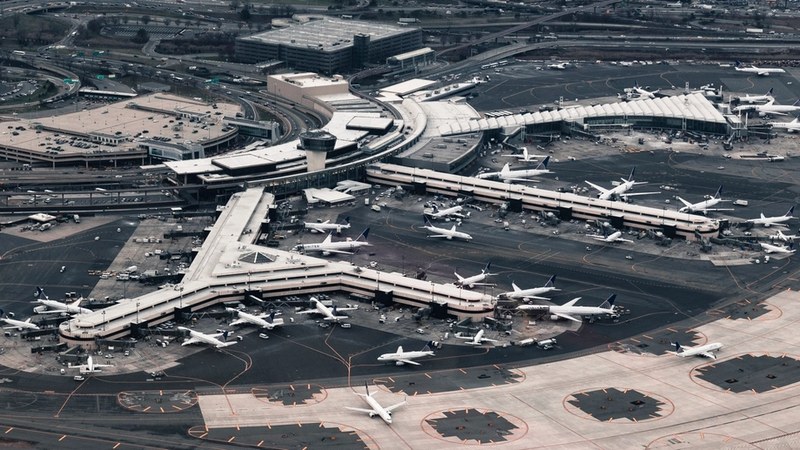
On July 18, 2026, United States airports reported 4,896 flight delays and 126 cancellations, with Chicago O’Hare Airport experiencing the most severe disruptions at 801 delays and 17 cancellations. Other major airports affected included Atlanta Hartsfield-Jackson with 420 delays and 16 cancellations, Orlando with 216 delays and 5 cancellations, San Francisco with 213 delays and 7 cancellations, San Diego with 182 delays and 12 cancellations, New York JFK with 115 delays and 4 cancellations, and Newark Liberty Airport with 87 delays and 4 cancellations.
Airline Disruptions and Hub Impact
Southwest Airlines recorded the highest number of delayed flights nationwide, tallying 866 delays and 9 cancellations,
largely reflecting its extensive domestic network. American Airlines followed closely with 850 delays and 11 cancellations, primarily impacting operations at Dallas-Fort Worth and Chicago O’Hare hubs. SkyWest Airlines faced 434 delays along with 21 cancellations, the highest cancellation total among reported carriers. United Airlines reported 434 delays and 4 cancellations, with flights affected at key hubs including Chicago O’Hare and Newark Liberty.
Wildfire Smoke and Operational Constraints
Smoke from hundreds of active Canadian wildfires drifting south into the northeastern United States was a primary factor contributing to flight disruptions on July 18. The Federal Aviation Administration (FAA) attributed reduced visibility around the New York metropolitan
area—including JFK, LaGuardia, and Newark airports—to the wildfire smoke. This reduction in visibility required increased spacing between arriving and departing flights, slowing traffic flow and adding delays. The smoky conditions also triggered hazardous air quality alerts affecting parts of New York, New Jersey, and the broader Midwest and Northeast regions, complicating air traffic management and airport operations.
Traveler Alerts and Continuing Disruptions
Travelers planning to depart from or connect through major hubs such as Chicago O’Hare, Dallas-Fort Worth, Atlanta, Orlando, San Francisco, New York, or Seattle-Tacoma on July 18 should monitor flight statuses closely. Airlines continue to manage ongoing schedule changes resulting from the combined
effects of wildfire smoke and FAA staffing shortages. Flight delays and cancellations remain widespread as carriers work to restore normal operations.
Ripple Effects Across US Aviation Network
Airports like Chicago O’Hare, Dallas-Fort Worth, Atlanta, and New York serve as critical connection points in domestic and international flight networks. Disruptions at these hubs often propagate through airline schedules nationwide, magnifying the impact of localized operational challenges. As wildfire smoke conditions persist and air traffic control staffing shortages continue, delays experienced at these major airports on July 18 extended disruptions across multiple states including California, Florida, Texas, Georgia, New York, and New Jersey.