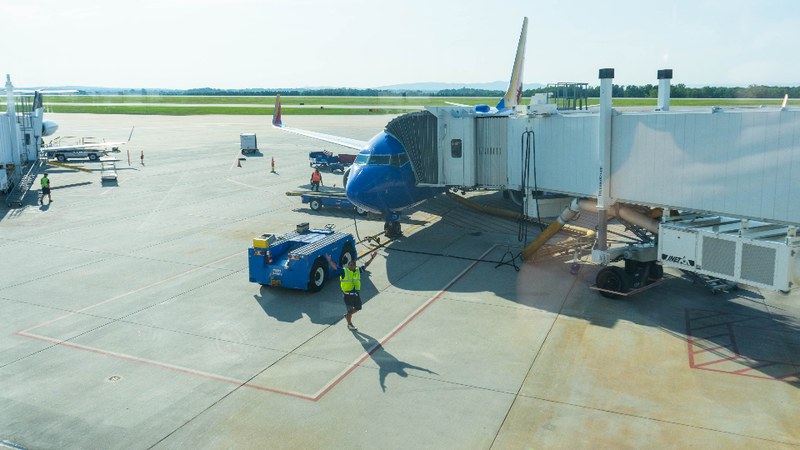
On July 17, 2026, US air travel faced major disruptions as approximately 4,896 flights were delayed and 126 flights cancelled nationwide across states including California, New York, Florida, New Jersey, Texas, and Georgia.
Airport-Specific Disruptions Across Major Hubs
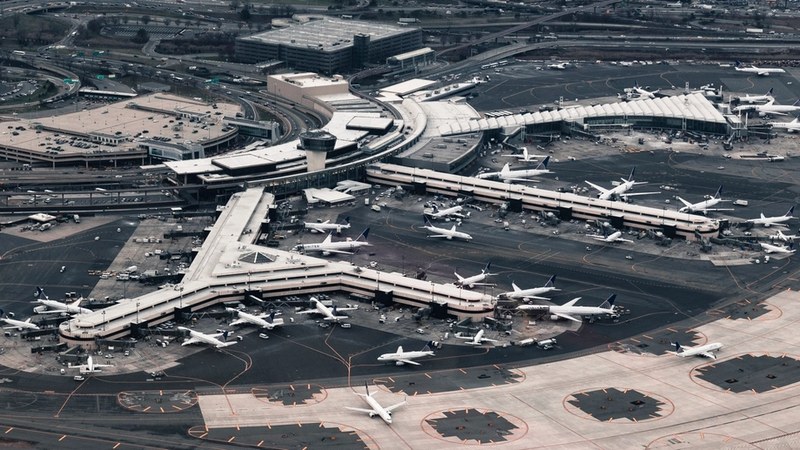
Chicago O’Hare recorded the highest nationwide disruptions with 801 delayed flights and 17 cancellations, the largest impact among airports on July 17. Other major hubs also reported significant disruptions: Hartsfield-Jackson Atlanta logged 420 delays and 16 cancellations, Orlando saw 216 delays and 5 cancellations, San Francisco had 213 delays and 7 cancellations, San Diego experienced 182 delays and 12 cancellations, New York JFK reported 115 delays and
4 cancellations, and Newark Liberty had 87 delays and 4 cancellations.
Airline Disruptions Concentrated Among Major Carriers
Southwest Airlines faced the largest number of delays nationwide with 866 delayed flights and 9 cancellations. American Airlines experienced 850 delays and 11 cancellations, with disruptions spread across major hubs including Dallas-Fort Worth and Chicago O’Hare. SkyWest reported 434 delays and the highest airline cancellation total at 21 cancellations. United Airlines had 434 delays and 4 cancellations, with most affected flights operating at Chicago O’Hare and Newark Liberty.
FAA Staffing Shortages and Wildfire Smoke Drive Delays
The Federal Aviation Administration cited staffing shortages and air traffic control challenges as key drivers of these disruptions. Wildfire smoke from
hundreds of active Canadian fires reduced visibility over the northeastern US, particularly affecting New York metropolitan airports including JFK, LaGuardia, and Newark Liberty. Reduced visibility forced increased spacing between aircraft arrivals and departures, slowing traffic flow and causing delays.
Traveler Impact and Regional Air Quality Concerns
Air quality advisories were issued in New York and New Jersey due to the wildfire smoke, which also impacted air traffic operations during the 2026 FIFA World Cup Final at MetLife Stadium, where about 82,500 attendees were expected. Hazardous Air Quality Index readings in cities such as Chicago and Detroit prompted public health warnings to remain indoors.
The wildfire smoke spread
across the Midwest, Mid-Atlantic, and Northeast regions, affecting millions of residents and complicating operations at major connecting hubs like Chicago O’Hare, Dallas-Fort Worth, Hartsfield-Jackson Atlanta, and New York area airports. Disruptions at these hubs caused ripple effects throughout domestic and international flight networks on July 17, 2026.