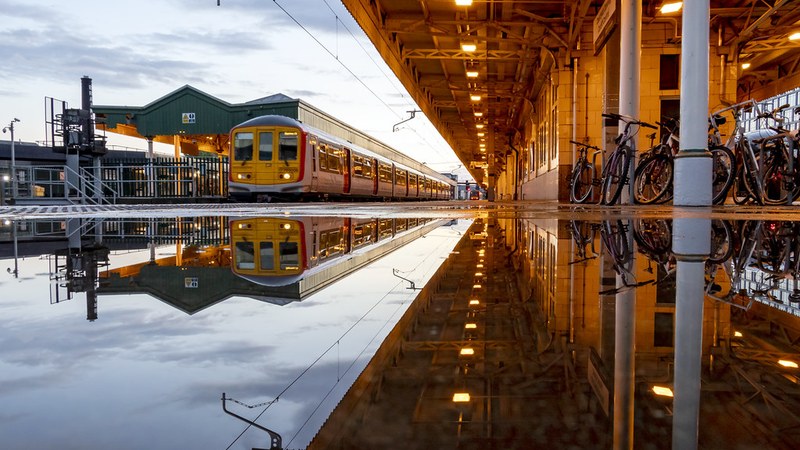
East Midlands Railway (EMR) implemented major timetable changes starting 8 July 2026, suspending regional services between Nottingham and Worksop, and Nottingham and Leicester, from 12:00 BST. Intercity trains serving London St Pancras and cities including Leicester, Nottingham, Lincoln, Derby and Sheffield also operated on a reduced schedule until Friday.
Hot Weather and Rolling Stock Issues Cause Disruptions
The timetable alterations followed an intense heatwave that caused railway tracks to expand and buckle, triggering necessary speed restrictions and impacting safety. Alongside these infrastructure issues, EMR faced ongoing challenges with train availability due to a shortage of rolling stock and reliability problems of its new Aurora Class 810 trains, which
have been in service since December 2025 but have experienced faults affecting operations.
Passenger Services Affected Across Key East Midlands Routes
Passengers faced cancellations and short-notice service removals on crucial routes through the East Midlands region. EMR advised travelers to verify journeys before departure as some trains could run at lower speeds or be canceled abruptly. The suspended regional services notably impacted the Robin Hood Line between Nottingham and Worksop and stopping services between Nottingham and Leicester. Intercity connections to and from London St Pancras also saw reduced operation.
Aurora Fleet Delays and Reliability Issues
Hitachi, the manufacturer of the Aurora Class 810 trains, confirmed more than one third of the fleet has been
delivered to EMR. The company is engaged in ongoing improvements and testing to enhance reliability during the fleet’s phased introduction. Hitachi stated efforts continue to support the transition from older rolling stock to new trains amid entry-into-service challenges.
Bedford Train Collision Adds Operational Strain
A fatal collision on 19 June 2026 involving two EMR trains in Bedford removed two trains from service and caused one driver’s death along with 162 injuries. The incident, under investigation by the Rail Accident Investigation Branch, intensified operational pressures on EMR’s timetable adjustments in the subsequent weeks.
Official Statements Emphasize Safety and Network Resilience
An EMR spokesperson said, “Periods of high temperatures create significant operational challenges across the
UK, affecting both infrastructure and train operations.” The company stated its priority remains the safety of passengers and staff, justifying temporary timetable changes to maintain reliability and network resilience.
Philippa Cresswell, EMR’s customer experience director, apologized for the disruptions and recommended passengers travel before midday and stay hydrated. Network Rail indicated temporary timetable revisions may be necessary for safety and thanked passengers for their understanding. The Department for Transport acknowledged manufacturer delays affecting train rollouts on EMR routes and urged the operator to minimize passenger impact. Steve Jones, Railfuture’s East Midlands secretary, attributed Intercity route cancellations primarily to rolling stock
shortages, emphasizing that not enough Aurora trains have entered service to replace older units.