On July 15, 2026, over 3,000 flights experienced delays and more than 140 flights were canceled across airports in the United States, according to The Times Of India. Disruptions at key hubs caused flight delays to ripple nationwide, impacting schedules far beyond the originating airports.
Flight interruptions stemmed mainly from severe thunderstorms in Texas and a Federal Aviation Administration (FAA) temporary ground stop at Ronald Reagan Washington National Airport, related to a security event involving VIP movement. The ground stop halted incoming flights temporarily, exacerbating delays at Reagan National.
Major hub airports including Dallas-Fort Worth International Airport, Charlotte Douglas Airport,
Atlanta, Chicago O’Hare, and Reagan National serve as critical nodes in the US air transport system. Flight delays at these locations propagate widespread disruptions because aircraft and crew members servicing multiple routes must adjust their schedules accordingly. This particularly affects connecting passengers more than those on direct flights.
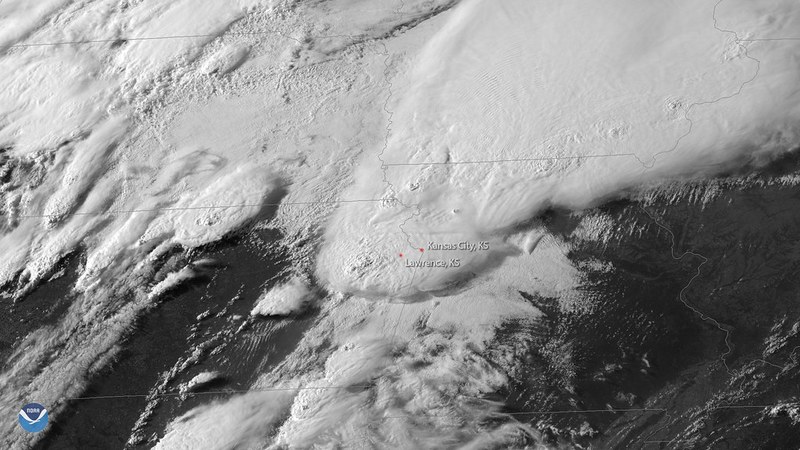
Thunderstorms near Dallas-Fort Worth International Airport reduced its operational capacity through intense rains, lightning, high winds, and impaired visibility. Such weather conditions require air traffic controllers to increase spacing between flights, limiting departures and arrivals. Dallas-Fort Worth is one of the world’s busiest airports and a major hub for American Airlines, magnifying
the impact of weather-related delays.
The FAA ground stop at Ronald Reagan Washington National Airport was issued due to a security situation involving VIP movements, which typically include presidential or high-security flights. Reagan National has limited runway capacity, so even short ground stops there lead to significant flight disruptions and complicate restoration of normal scheduling.
American Airlines and Southwest Airlines were among the most affected carriers, given their substantial operations at the impacted airports. American Airlines maintains a large presence at Dallas-Fort Worth and Charlotte Douglas airports, while Southwest Airlines is dominant across Texas airports where thunderstorms occurred.
Passengers traveling
through affected hubs are urged to check flight status updates before traveling. Allowing longer connection times can mitigate missed connections during periods of unstable weather, especially in summer when thunderstorms are frequent. Promptly rebooking canceled flights is essential as alternate seat availability can become limited quickly.
The US air transport network is highly interconnected, with thousands of daily flights routed through a network of major hubs. Disruptions at one key airport spread through the system due to linked aircraft rotations and crew schedules. Weather and security-related ground stops remain major factors that challenge the system’s operational resilience.