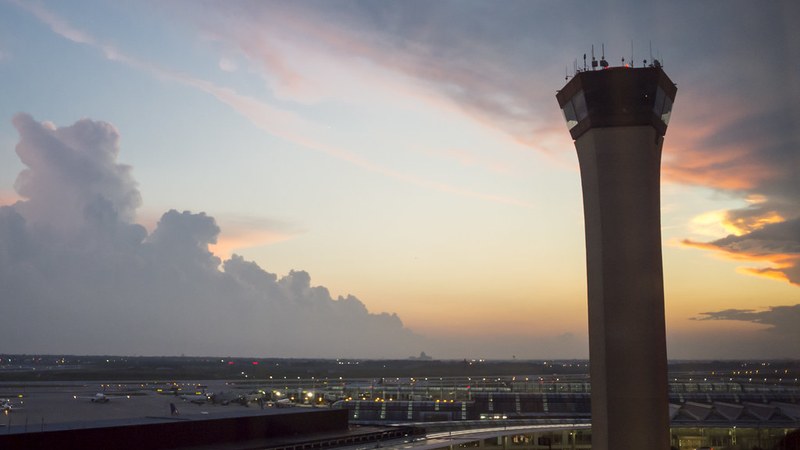
On July 15, 2026, over 3,000 flights were delayed and more than 140 flights canceled across the United States. These disruptions stemmed from severe thunderstorms in Texas coupled with a Federal Aviation Administration (FAA) temporary ground stop at Ronald Reagan Washington National Airport triggered by a security incident.
Thunderstorms and Security Ground Stops Halt Operations
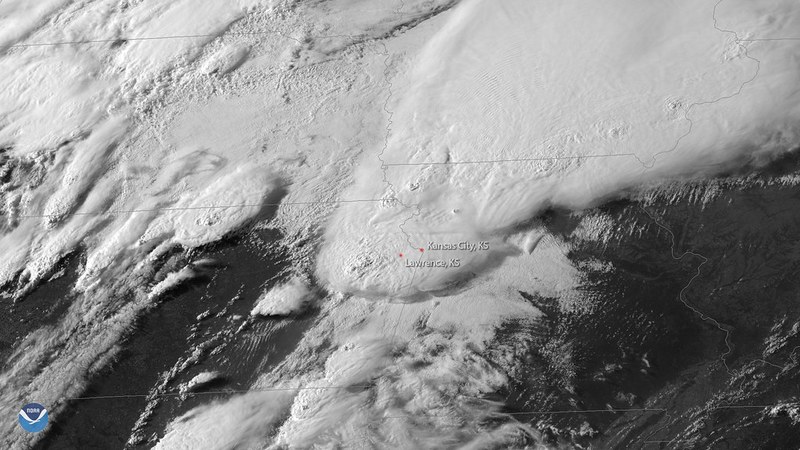
Strong thunderstorms near Dallas-Fort Worth International Airport reduced its operational capacity, leading to widespread delays. Simultaneously, the FAA imposed a temporary ground stop on incoming flights at Ronald Reagan Washington National Airport in response to a security event involving what was described as VIP movement. These combined effects created a substantial ripple
across flight operations.
Interconnected US Air Traffic Network Exacerbates Delays
The United States operates one of the busiest and most interconnected air transport networks worldwide. Major hub airports like Dallas-Fort Worth, Charlotte Douglas, and Ronald Reagan National serve as key connecting points for flights moving between cities such as New York, Denver, Phoenix, and Los Angeles. Delays at one hub affect aircraft and crew schedules nationwide, causing cascading delays at airports not directly impacted by local weather or security events.
Critical Airports and Airlines Affected
Dallas-Fort Worth Airport, a primary hub for American Airlines, and Charlotte Douglas Airport, an important connecting airport, were heavily affected by these disruptions. Ronald Reagan Washington National
Airport, which has limited runway capacity, faced amplified impacts due to the FAA ground stop. American Airlines and Southwest Airlines reported significant delays because of their large operations in Texas airports and connecting hubs like Dallas-Fort Worth and Charlotte Douglas.
Traveler Risks During Thunderstorms and Security Restrictions
Thunderstorms during the US summer months commonly cause delays because heavy rain, lightning, high winds, and low visibility force air traffic controllers to increase spacing between aircraft, reducing arrival and departure rates. Additionally, security-related ground stops, despite usually being brief, significantly disrupt operations at airports with constrained runway capacity like Ronald Reagan National. Travelers using major connecting hubs are especially
vulnerable to these cascading delays.