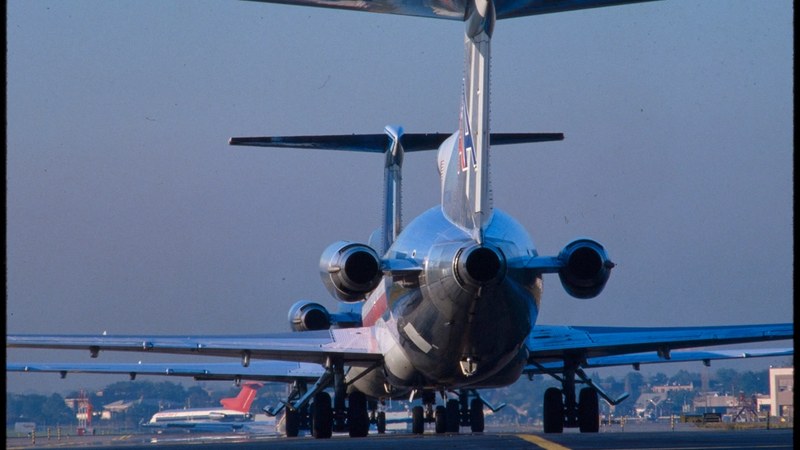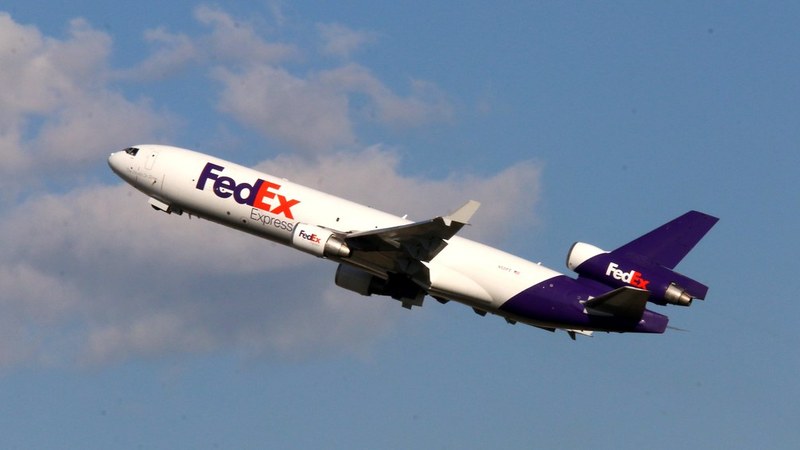
On July 16, 2026, New York area airports—including JFK, Newark, and LaGuardia—reported more than 80 flight cancellations combined with over 3,600 delayed departures and arrivals.
Weather and Staffing Shortages Behind Flight Disruptions
Flight disruptions at these airports were primarily driven by adverse weather conditions, with thunderstorms producing heavy rain, lightning, and strong winds. These factors forced the Federal Aviation Administration (FAA) to increase spacing between aircraft, reducing the rate of arrivals and departures. Additionally, staffing shortages at the New York hubs contributed to operational delays.
Nationwide Impact of Delays from Major Hubs
Delays at JFK, Newark, and LaGuardia airports propagated across the US air travel network due to the interconnected nature of flight routes
and crew scheduling. Aircraft servicing flights at these hubs often continue to other cities, so late arrivals affect downstream operations even where weather is clear. Similarly, crew duty cycles are disrupted, delaying subsequent departures on their schedules.
Passenger Effects and Travel Recommendations
Travelers passing through the New York airport complex on July 16 faced potential lengthy waits and cancelations. Despite local conditions, delays can arise from ripple effects of weather or operational disturbances elsewhere. Those with connecting flights were advised to allow additional connection time during the summer thunderstorm season. Passengers were also encouraged to check flight status updates frequently and promptly rebook canceled flights,
as alternative seats fill rapidly.
Other Affected Hubs and Airlines
Disruptions extended beyond New York, affecting other large hubs such as Dallas-Fort Worth International Airport and Charlotte Douglas Airport. Dallas-Fort Worth serves as a major hub for American Airlines, while Charlotte Douglas operates as a key connecting airport. Weather delays in these hubs have national implications due to their linkages across airline networks. Airlines with significant presence in affected hubs, such as American Airlines at Dallas-Fort Worth and Charlotte Douglas, and Southwest Airlines in Texas, experienced elevated levels of disruptions in voice of cancellations and delays.
Security-Related Ground Stops Impact Scheduling
The previous day, July 15, saw FAA impose a
temporary ground stop at Ronald Reagan Washington National Airport due to a security incident involving VIP movement. Although short in duration, such ground stops restrict runway use and disrupt tightly coordinated flight schedules. Limited runway capacity at Reagan National intensifies the impact of these security-related stoppages. These delays contribute to cumulative scheduling challenges in the national airspace system alongside weather-related issues.