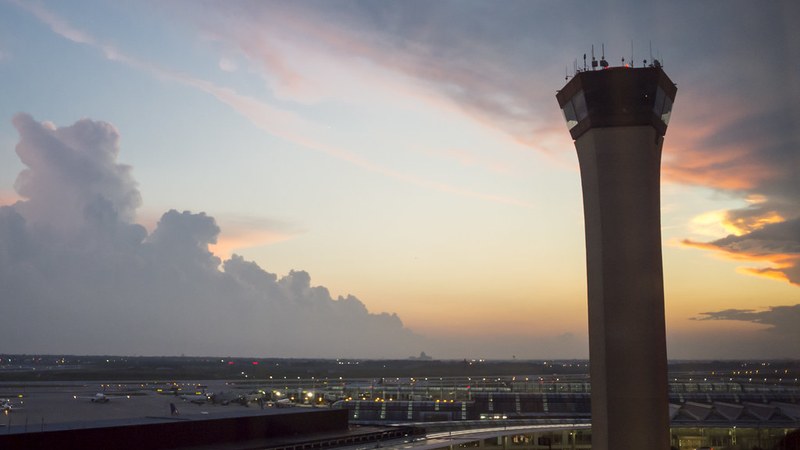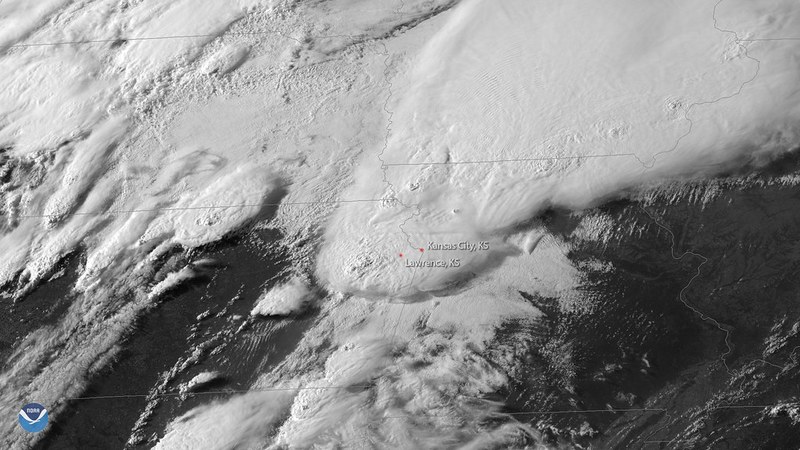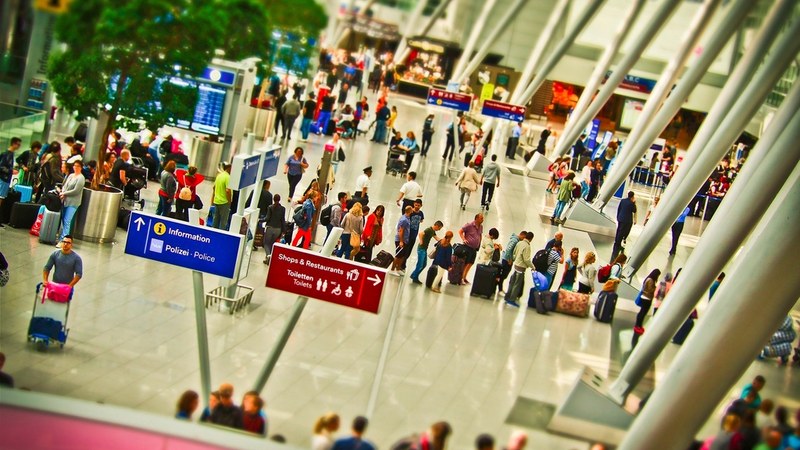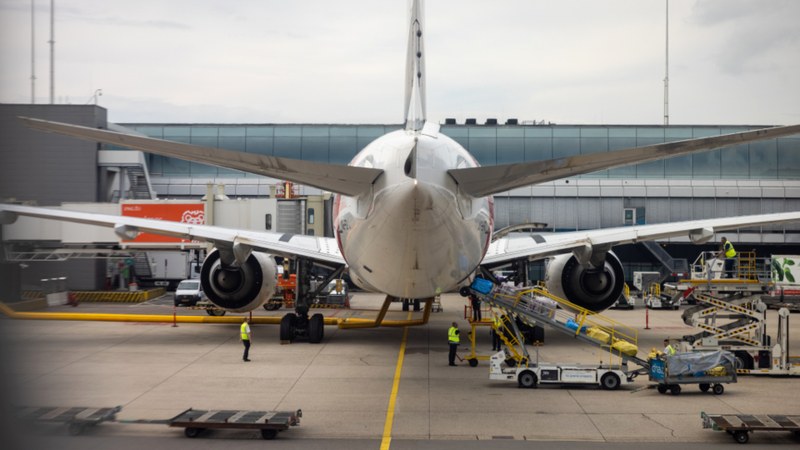
On July 15, 2026, more than 3,000 flights were delayed and over 140 flights were canceled across the United States. These widespread disruptions were due to strong thunderstorms in Texas and an FAA-imposed temporary ground stop at Ronald Reagan Washington National Airport caused by a VIP security movement.
Delays Propagate Through Major Hub Airports
Key hubs such as Dallas-Fort Worth International Airport (DFW), Ronald Reagan Washington National Airport, and Charlotte Douglas Airport were heavily affected. American Airlines, which operates major networks out of Dallas-Fort Worth and Charlotte Douglas, faced significant operational disruptions. Southwest Airlines’ large presence in Texas also resulted in many delays. Because aircraft, pilots,
and cabin crews operate multiple sequential flights across different airports, delays at these hubs caused ripple effects across the entire US air transportation network.
Thunderstorms in Texas and FAA Ground Stop at Reagan National
Severe thunderstorms near Dallas-Fort Worth reduced operational capacity by forcing air traffic controllers to increase minimum distances between planes, curbing arrival and departure rates. Unlike snowstorms, thunderstorms are unpredictable, rapidly changing location and intensity, making scheduling difficult. Meanwhile, the FAA temporarily halted incoming flights at Ronald Reagan Washington National Airport due to a security-related VIP movement. The airport’s constrained runway capacity magnified the impact of this ground stop, intensifying delays.
Passenger Impact and Travel Advice
Thousands of passengers experienced delays and
cancellations on July 15, with disrupted connections even where weather was clear. Delays at Dallas-Fort Worth and Ronald Reagan National spread to flights nationwide because of interconnected flight routes and crew scheduling. Passengers were advised to check flight status before departure, allow additional time for connections, and promptly rebook canceled flights as alternate seats were limited.
US Aviation Network and Operational Challenges
Dallas-Fort Worth International Airport is one of the busiest airports worldwide and a major American Airlines hub. Ronald Reagan National serves high volumes of business travelers but has limited runway capacity that exacerbates the effects of ground stops. Despite growth in passenger numbers amid
global air travel recovery, US airports remain vulnerable to weather conditions, FAA security measures, and ongoing staffing shortages that continue to disrupt nationwide flight schedules.