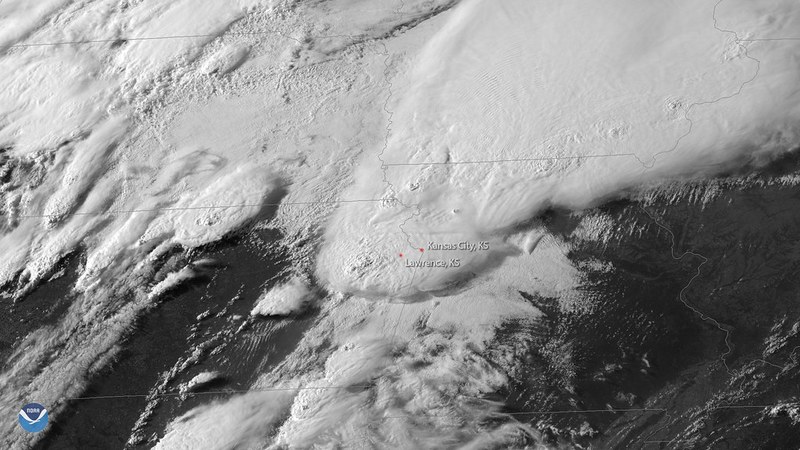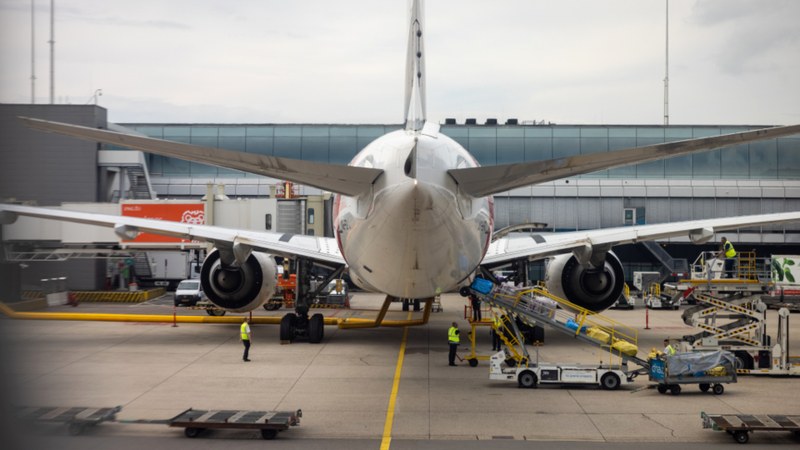
More than 4,500 flights were disrupted on July 11, 2026, at New York metropolitan area airports including John F. Kennedy International Airport, LaGuardia Airport, and Newark Liberty International Airport. The disruption resulted from severe thunderstorms coupled with chronic air traffic controller shortages, reducing air traffic capacity in the region.
FAA Implements Ground Stops and Delay Programs at Northeast Airports
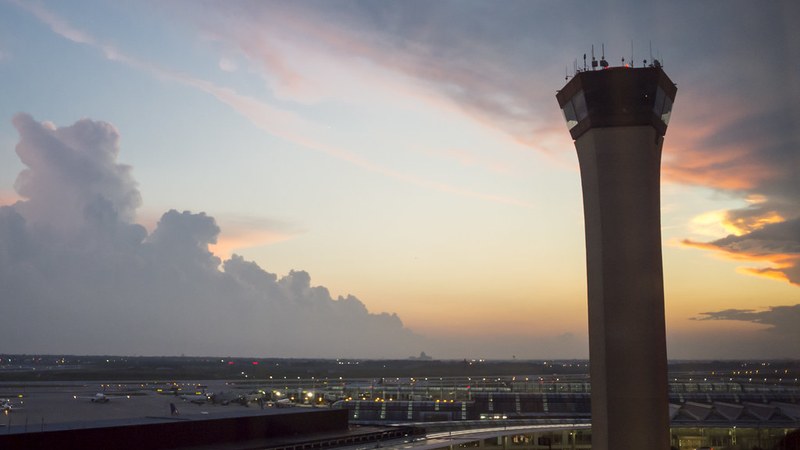
The Federal Aviation Administration’s Air Traffic Control System Command Center issued multiple ground stops and ground delay programs at JFK, LaGuardia, Newark, and at times Philadelphia International Airport. These measures were enacted to control departures and arrivals amid the storms and limited staffing, maintaining safe separation between aircraft during constrained operations.
Over 500 Cancellations and 4,000 Delays Impact Passengers
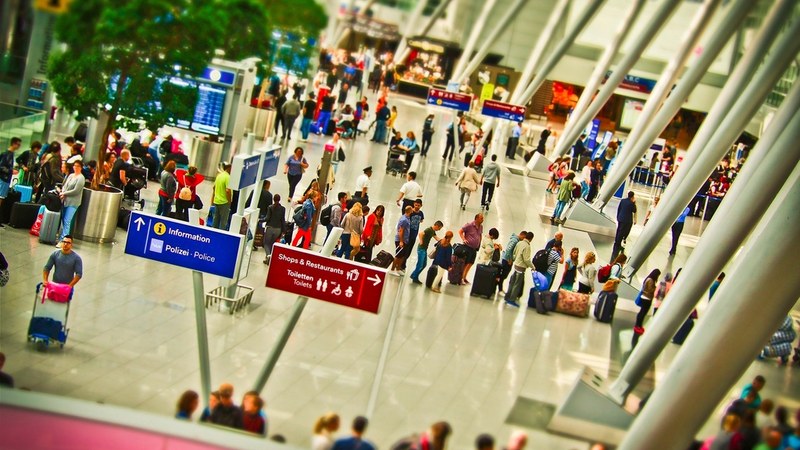
By midnight on July 11, over 500 flights were cancelled and more than 4,000 flights delayed across the affected airports. Thousands of passengers were stranded as airlines worked overnight to reposition aircraft and crews. Delays extended well beyond the passage of the storms, creating widespread travel disruptions throughout the United States.
Busyness of New York Airports Amplifies Disruption Effects
The New York metropolitan area is home to some of the busiest and most interconnected airports in the world. JFK, LaGuardia, and Newark serve as major hubs for domestic and international connections. As a result, flight disruptions at these airports caused ripple effects across the national airspace system, intensifying
delays throughout the northeast corridor and beyond.
Summer thunderstorms regularly impact travel in the region, but ongoing shortages of certified air traffic controllers limited operational flexibility to manage air traffic during the storms. The combination of adverse weather and staffing constraints significantly increased the scope of flight delays and cancellations on July 11.
Passengers were advised to monitor flight statuses as recovery from large-scale operational disruptions can take many hours. Airlines continued efforts to adjust schedules and reposition resources to mitigate the impact on travelers.