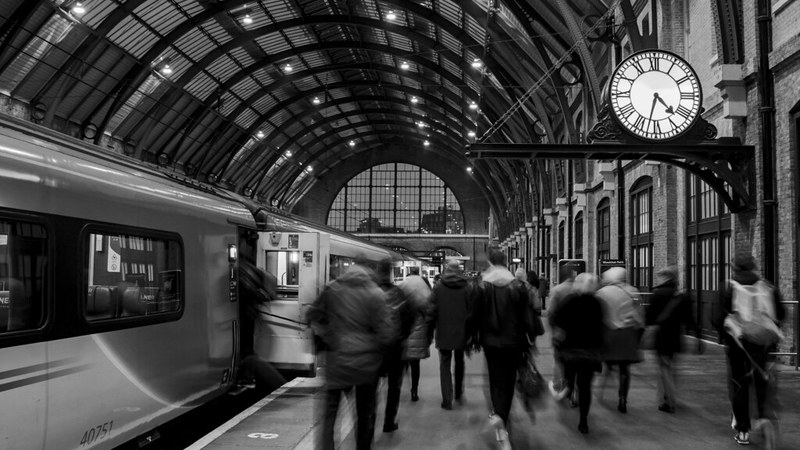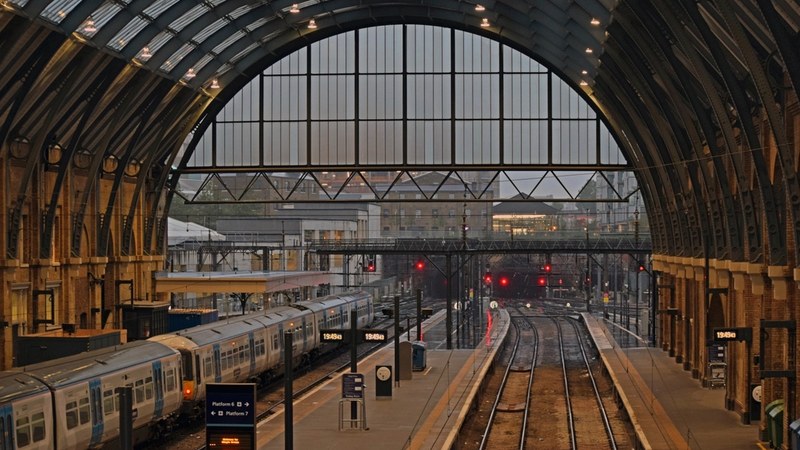
London Charing Cross and Waterloo East stations will close for 22 days from Sunday, July 26 to Sunday, August 16, 2026, to allow a major £20 million infrastructure upgrade, according to Network Rail.
Details of the Upgrade Works
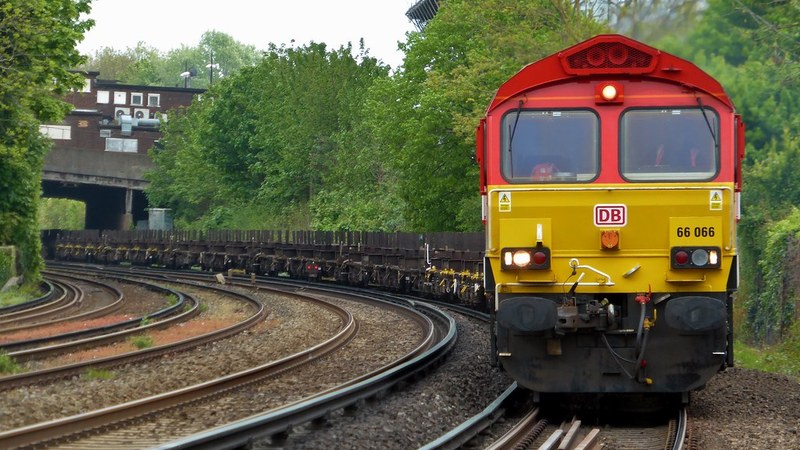
The upgrade includes replacing approximately 1,800 metres of 1990s-era track and installing 16 new sets of switches and crossings. Track drainage improvements will be carried out at Waterloo East to maintain safety and track quality at full line speed.
Structural repairs will be performed on the 175-year-old Hungerford Bridge, which carries trains over the Thames, as well as on the pedestrian link bridge connecting Waterloo East and
London Waterloo. Sections of Charing Cross station will be rebuilt with new foundations and platform surfaces at the country end.
Impact on Southeastern Rail Services
During the closure, Southeastern trains will not call at London Charing Cross or Waterloo East. Services will be diverted to London Victoria, London Cannon Street, London Blackfriars, and London Bridge stations.
Passengers should expect delays and cancellations while travel patterns are adjusted. Additional weekend closures will take place before and after the main 22-day works for preparation and follow-up activities, with potentially varying travel arrangements on those days.
Refunds and Passenger Assistance
Southeastern Railway has established a dedicated refund process for ticket holders affected
by the closures. Refunds are available for all ticket types, including journeys made on reasonable alternative routes.
The refund form will be accessible on the Southeastern website starting July 26, 2026, to facilitate claims.
Official Statements on Closure Planning
Scott Brightwell, train services director at Southeastern Railway, emphasized the goal of upgrading ageing infrastructure from the 1990s and reinforcing Victorian-era structures to improve safety and reliability.
Brightwell said, “By consolidating the work into a 22‑day closure, supported by preparation and follow‑up weekends, we can complete the work more quickly and with less disruption overall than the alternative options of 60 weekend closures or four to
five 9-day closures.” He also noted, “We have planned the closure for the summer, when passenger numbers are around 20 per cent lower and schools are closed, to help manage the impact on customers.”
The timing of the closure aligns with an approximate 20% seasonal drop in passenger numbers during summer and school holiday periods to reduce disruption.