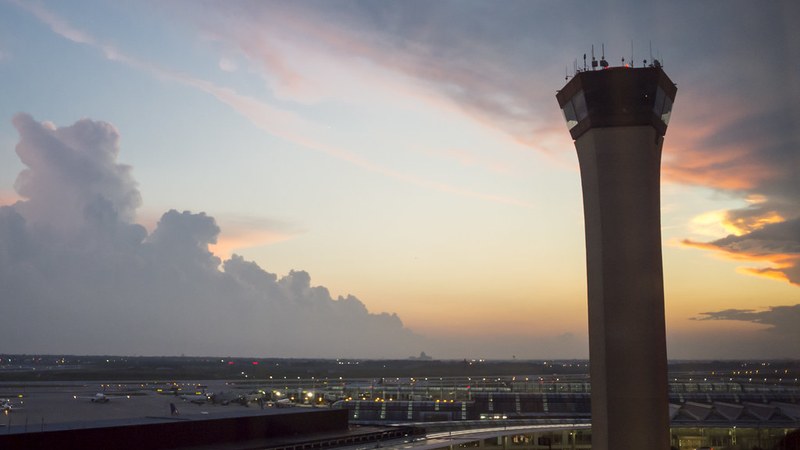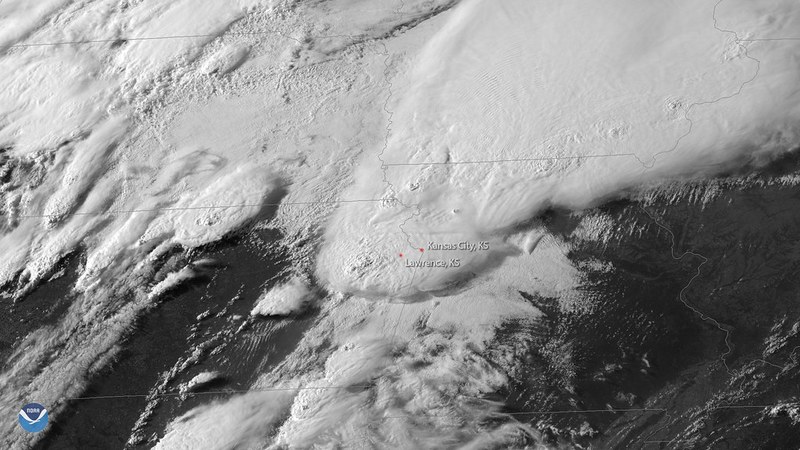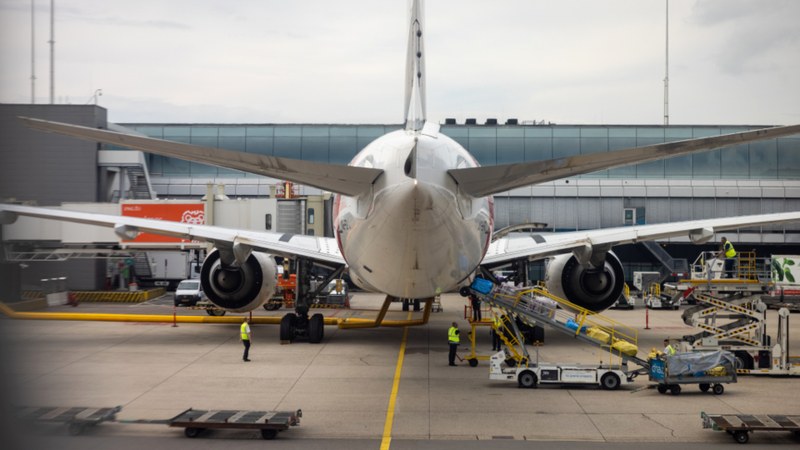
More than 4,500 flights were disrupted at John F. Kennedy International Airport, Newark Liberty International Airport, and LaGuardia Airport on July 11, 2026, due to severe thunderstorms combined with chronic air traffic controller shortages. By midnight that day, these disruptions included over 500 cancellations and more than 4,000 delays. The Federal Aviation Administration’s Air Traffic Control System Command Center implemented multiple ground stops and ground delay programs at JFK, LaGuardia, Newark, and intermittently at Philadelphia International Airport as storms moved across the region.
Severe Weather and Staffing Limit Capacity at New York Area Airports
Rapidly developing thunderstorms coupled with persistent shortages of certified air traffic controllers reduced arrival and departure capacity
at the New York metropolitan area’s busiest airports. These constraints forced the FAA to manage traffic flow with ground stops—temporarily halting outbound flights to affected airports—and ground delay programs that slowed inbound traffic to match diminished operational capabilities. The interconnected nature of JFK, Newark, and LaGuardia, among the world’s busiest hubs, caused delays and cancellations in the region to ripple throughout the national aviation system.
Passengers Face Extended Delays as Airlines Reposition Resources Overnight
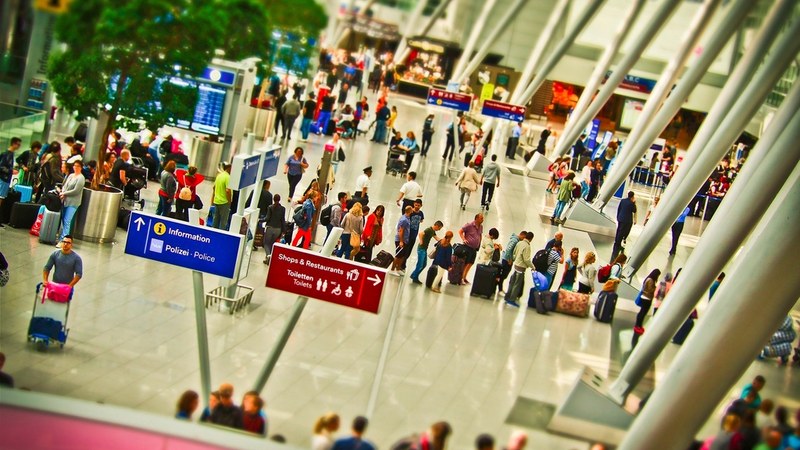
Thousands of travelers experienced extended delays and cancellations on July 11, 2026, with disruptions continuing well after the thunderstorms subsided. Airlines worked overnight to reposition aircraft and crews to mitigate delays, but recovery remained slow.
Passengers were advised to monitor flight updates in response to the ongoing operational challenges caused by the combined weather and staffing issues.
FAA Traffic Management Procedures Maintain Safety During Peak Travel Disruptions
The FAA’s routine use of ground stops and ground delay programs helped preserve safe aircraft separation amid severe weather and limited air traffic control staffing. These measures were critical during the peak summer travel season in the Northeast corridor, where airspace congestion is already significant. The disruptions underscore the vulnerability of one of the world’s busiest airspaces to weather and personnel shortages.