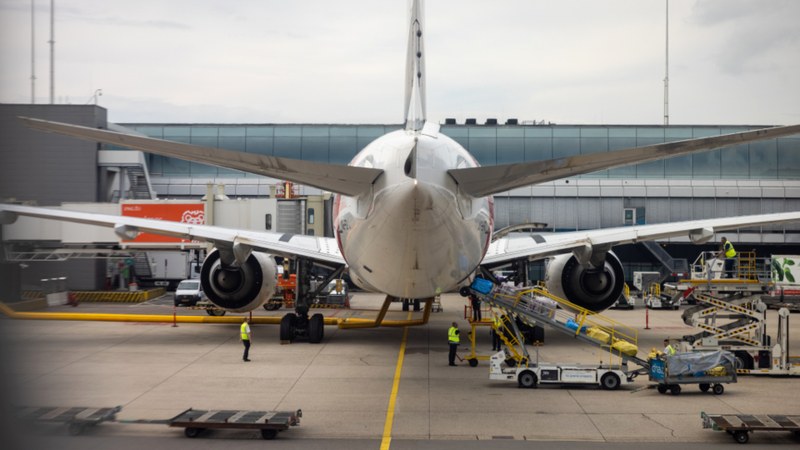
More than 4,500 flights were disrupted on July 14, 2026, across New York metropolitan area airports including John F. Kennedy International Airport (JFK), LaGuardia Airport (LGA), Newark Liberty International Airport (EWR), and Philadelphia International Airport (PHL). These disruptions comprised over 500 flight cancellations and more than 4,000 delays.
Causes of Flight Disruptions
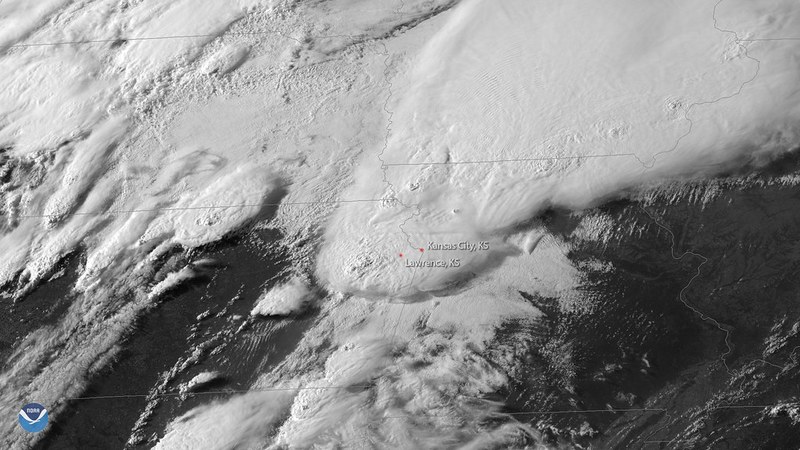
The widespread disruptions originated from severe thunderstorms impacting the New York region starting in the early hours of July 11, 2026, and persisting through July 14. Compounding the weather challenges were ongoing shortages of certified air traffic controllers, which limited the Federal Aviation Administration’s ability to manage arrival and departure operations.
The
combination of intense, rapidly developing thunderstorms and insufficient air traffic control staffing significantly reduced airport capacity in one of the busiest airspaces in the world.
FAA Flight Management Measures
The FAA’s Air Traffic Control System Command Center enforced a series of ground stops and ground delay programs at JFK, LaGuardia, Newark, and Philadelphia International Airports on July 14 to maintain safety and adjust for reduced operational capacity.
Ground stops temporarily prevented flights from departing their origin airports bound for the affected hubs, while ground delay programs assigned scheduled takeoff times to incoming flights. These strategies aimed to control air traffic flow amid constrained controller
availability and severe weather disruptions.
Passenger and Network Impact
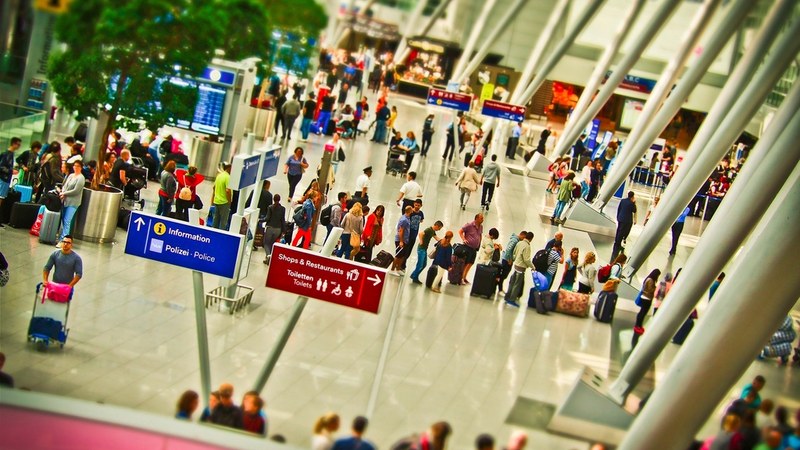
The operational limitations led to extensive delays and cancellations that stranded thousands of passengers and crews. Carryover effects extended beyond the immediate region, causing ripple disruptions across flights throughout the United States.
Passengers were advised to monitor flight status updates as recovery from the large-scale disruptions prolonged well beyond the end of the storms.
New York Airports’ Network Importance
JFK, LaGuardia, and Newark airports, along with Philadelphia International, serve as critical hubs within the highly interconnected New York metropolitan airspace. Disruptions at these facilities frequently cascade through national air traffic due to their role in domestic and international flight connections.
The combination of peak summer season travel, severe weather, and controller staffing constraints underscored ongoing challenges in sustaining flight operations at these major airports.